Whether you're kitting out a professional kitchen or upgrading your home setup, one question comes up again and again: Does it matter what metal your cookware is made from? The short answer is yes, it matters a lot. The metal your pan is made from doesn't just affect how it looks or how long it lasts. It determines how heat moves through it, how quickly it responds to temperature changes, and most importantly, whether it will work at all on your hob.
This guide covers the main metals used in professional and domestic cookware, including stainless steel, aluminium, and cast iron, and explains how each one performs on gas, electric, and induction heat sources, as well as the specific types of cookware, such as casseroles, stockpots, saute pans, and more.
Why Does the Metal Matter?
Every metal conducts heat differently. That conductivity affects everything from how evenly a sauce reduces in your saucepan to whether a casserole develops hot spots that burn the bottom of a stew. Two other factors are equally important. Heat retention (how long a pan stays hot after you remove it from the heat) and magnetic responsiveness (which determines induction compatibility).
Cookware Material Comparison
| Metal | Heat Conductivity | Heat Retention | Induction Compatible | Best For |
|---|---|---|---|---|
| Aluminium | Very high | Low–medium | No (unless clad) | Stockpots, casseroles, rapid boiling |
| Stainless steel (single layer) | Low–medium | Medium | Yes (18/10 grade) | General-purpose, sauté, saucepans |
| TriPly stainless steel | High (via aluminium core) | High | Yes | Professional all-round cooking |
| Cast iron | Low | Very high | Yes | Slow cooking, searing, serving |
Aluminium Cookware: A Catering Kitchen Staple
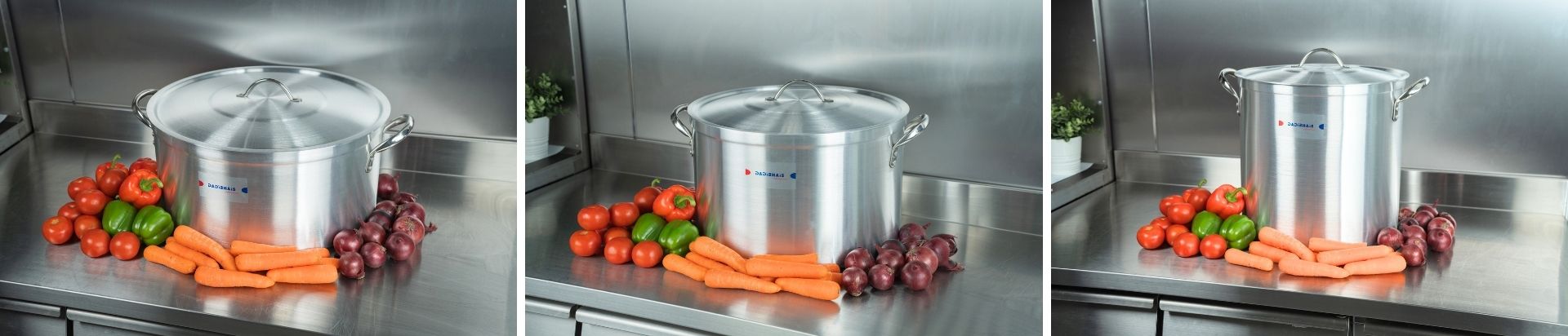
Aluminium is the metal that has powered professional catering kitchens for decades. It heats up fast, conducts heat evenly across the base, and is significantly lighter than stainless steel or cast iron of the same size. For large-volume cooking, such as big-batch stocks, soups, and boiling pasta for service, aluminium is difficult to beat.
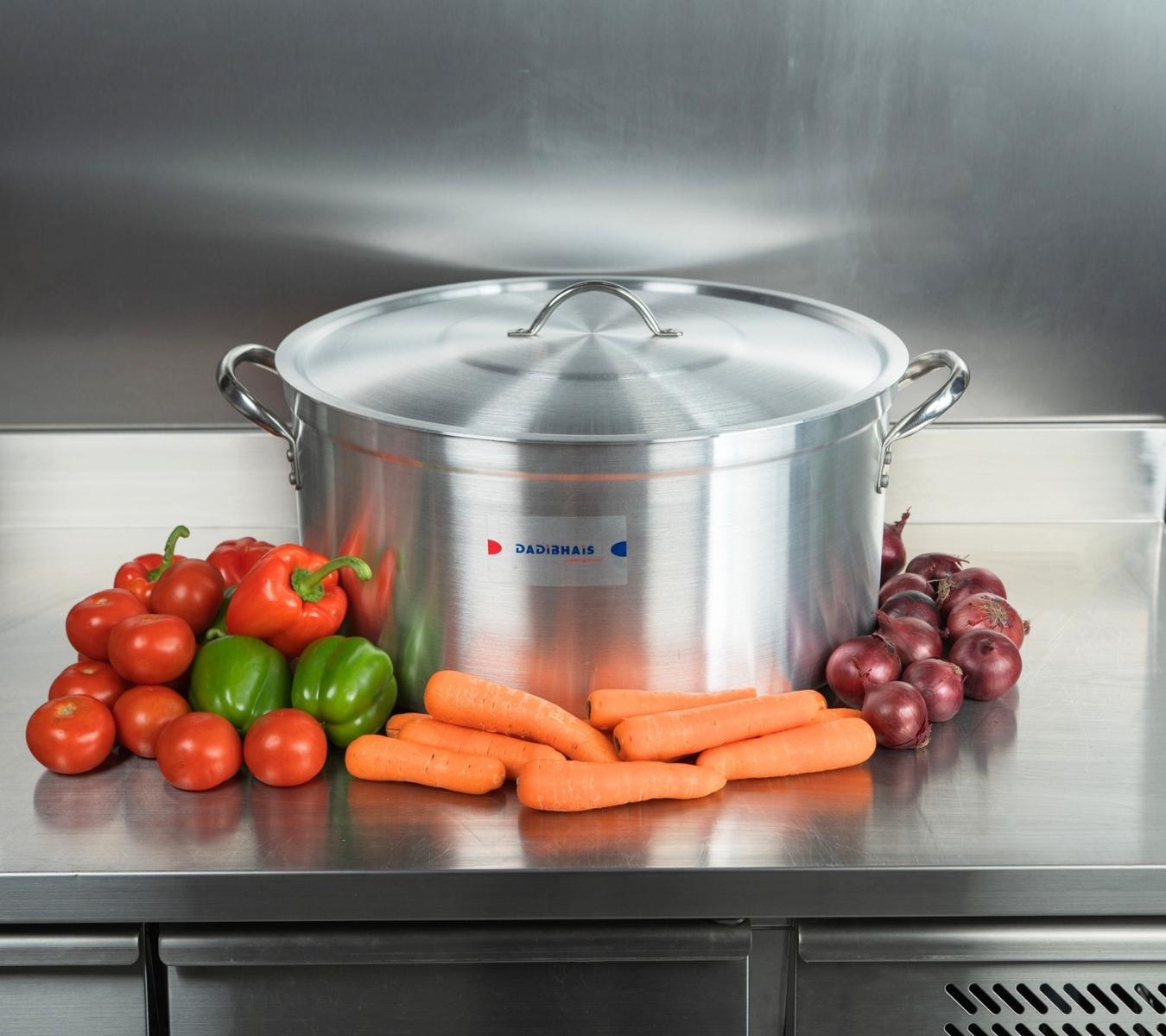
At Cooksmill, our aluminium cookware range covers everything from light-duty saucepans to heavy-duty commercial casseroles. The Heavy Duty Aluminium Casseroles are built for large commercial kitchens, with thick ground bases that spread heat evenly and prevent scorching, essential when you're cooking large volumes over long periods.
Our Medium Duty range is well-suited to semi-professional or lighter commercial use.
For very large batch cooking, our XL Aluminium Casserole Pots go up to impressive capacities and are ideal for kitchens serving large numbers at a sitting.
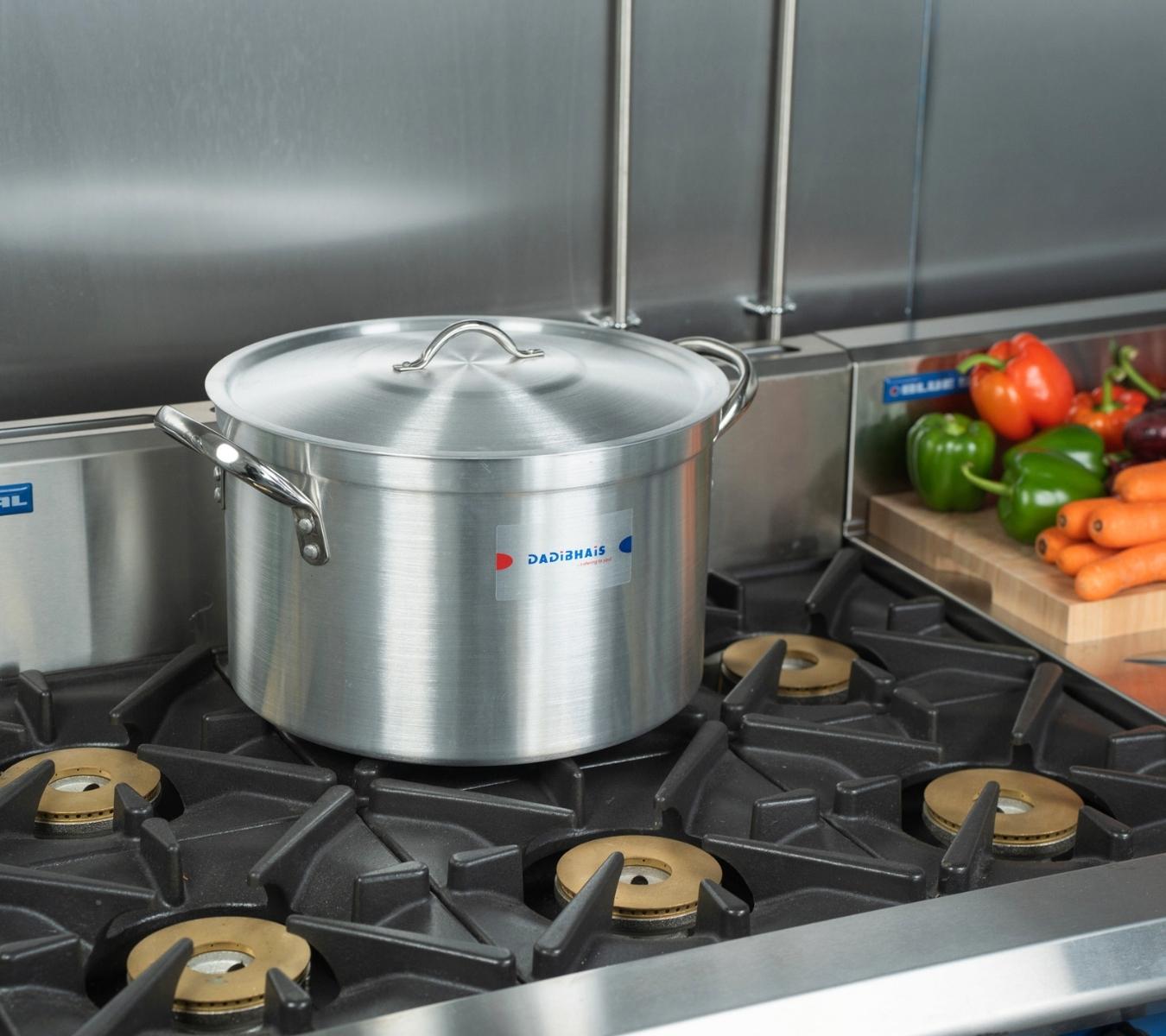

Aluminium on gas: Excellent. Gas gives you instant, adjustable heat, and aluminium responds to those adjustments immediately. You get precise control, critical for sauces and stocks that need careful temperature management.

Aluminium on electric: Works well. Electric hobs are slower to respond, but aluminium's good conductivity compensates. Be aware that with coil electric hobs, you need a flat base for good contact. Most commercial aluminium pans have thick, flat ground bases specifically for this reason.
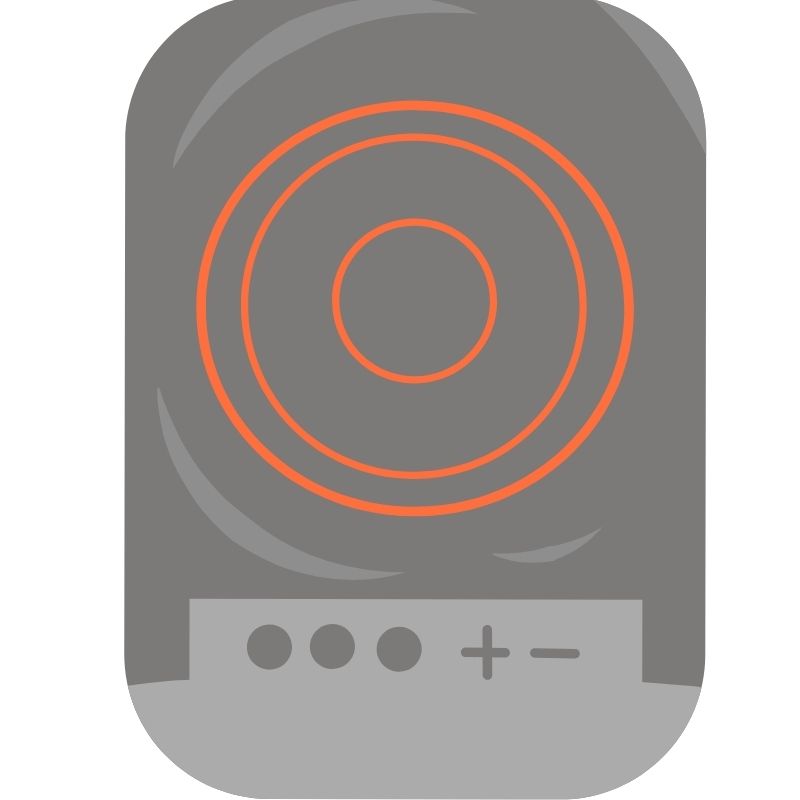
Aluminium on induction: Standard aluminium is not induction compatible because it isn't magnetic. This is one of the most common mistakes people make when switching to induction. If you're moving to an induction kitchen, you'll need to look at stainless steel or cast iron alternatives, or speciality aluminium pans with a magnetic stainless steel base added by the manufacturer.
Stainless Steel Cookware: Durable, Versatile, and Built for Professional Kitchens
Stainless steel is the material of choice for most professional kitchens. It's robust, doesn't react with acidic ingredients such as tomatoes, is dishwasher safe, and handles the rigours of busy service day after day. It also looks great.
The one knock against plain stainless steel is that it's a relatively poor heat conductor on its own. Left to its own devices, a single-layer stainless steel pan can develop hot spots. The solution is a multi-layer construction, and this is where TriPly cookware comes in.
TriPly Stainless Steel: The Professional's Choice
TriPly pans have three bonded layers: stainless steel on the inside and outside, with an aluminium core sandwiched in between. The result is a pan that combines the durability and non-reactivity of stainless steel with the fast, even heat distribution of aluminium. Our TriPly Stainless Steel Cookware range includes saucepans, stockpots, saute pans, and casseroles, all designed to perform at a professional level.
The TriPly Saute Pan is a particularly versatile piece. Whether you're browning onions, searing chicken, or building a sauce, the even heat distribution means you're in control throughout. Available in various sizes, it handles both smaller portions and larger service volumes.
Our Cooksmill Professional Stainless Steel range also includes a wide variety of saucepans, stockpots, and specialist pieces, all made from 18/4 or 18/10 stainless steel with handles designed to survive professional kitchen use.
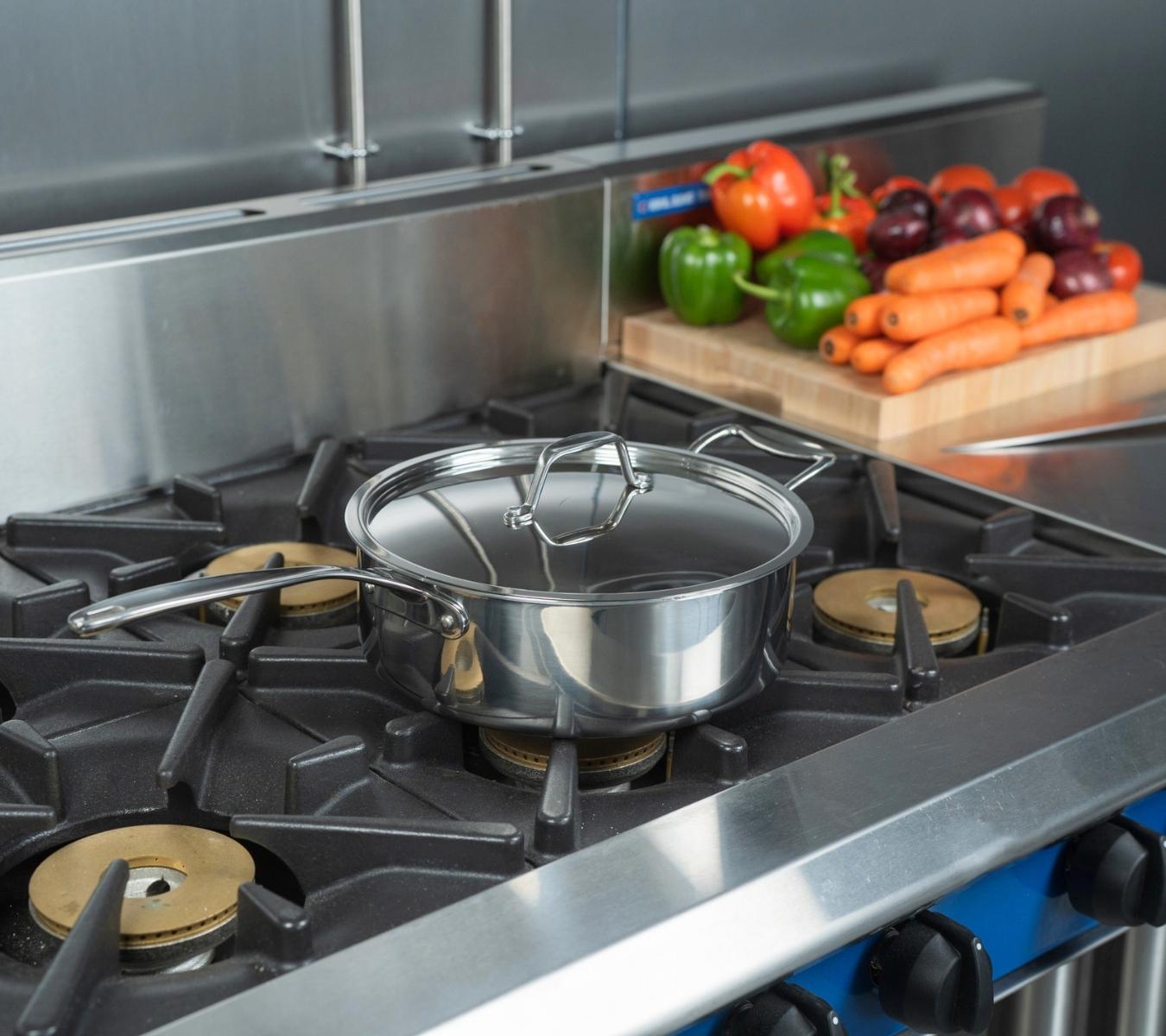
Stainless steel on gas: Very good. The open flame heats the base quickly and, with TriPly construction, that heat distributes evenly across the cooking surface.
Stainless steel on electric: Good. Single-layer pans need a very flat base to make good contact with electric rings; TriPly construction helps even things out.
Stainless steel on induction: Excellent, provided the pan has a magnetic base. All 18/10 stainless steel with a ferritic outer layer is induction compatible. Our TriPly range is fully induction-ready, making it the ideal all-rounder for kitchens that may switch between or use multiple heat sources.
Cast Iron Cookware: Slow and Steady Wins the Race
Cast iron is in a category of its own. It heats slowly, but once it's up to temperature, it holds that heat exceptionally well and distributes it with remarkable consistency. This makes it perfect for long, slow cooking, braising, casseroling, and slow-roasting, where maintaining a steady, even temperature matters more than quick response.
Our cast iron cookware range includes skillets, griddles, Dutch ovens, casseroles, woks, and serving pieces. Cast iron's ability to go from hob to oven to table makes it particularly useful in restaurant settings where theatre and presentation matter as much as function.
The mini cast iron pieces are also perfect for professional use. The heat retention properties mean that a sauce poured into a mini cast-iron saucepan will still be sizzling when it reaches the customer's table. This is a small detail that makes a real impression in any front-of-house service.
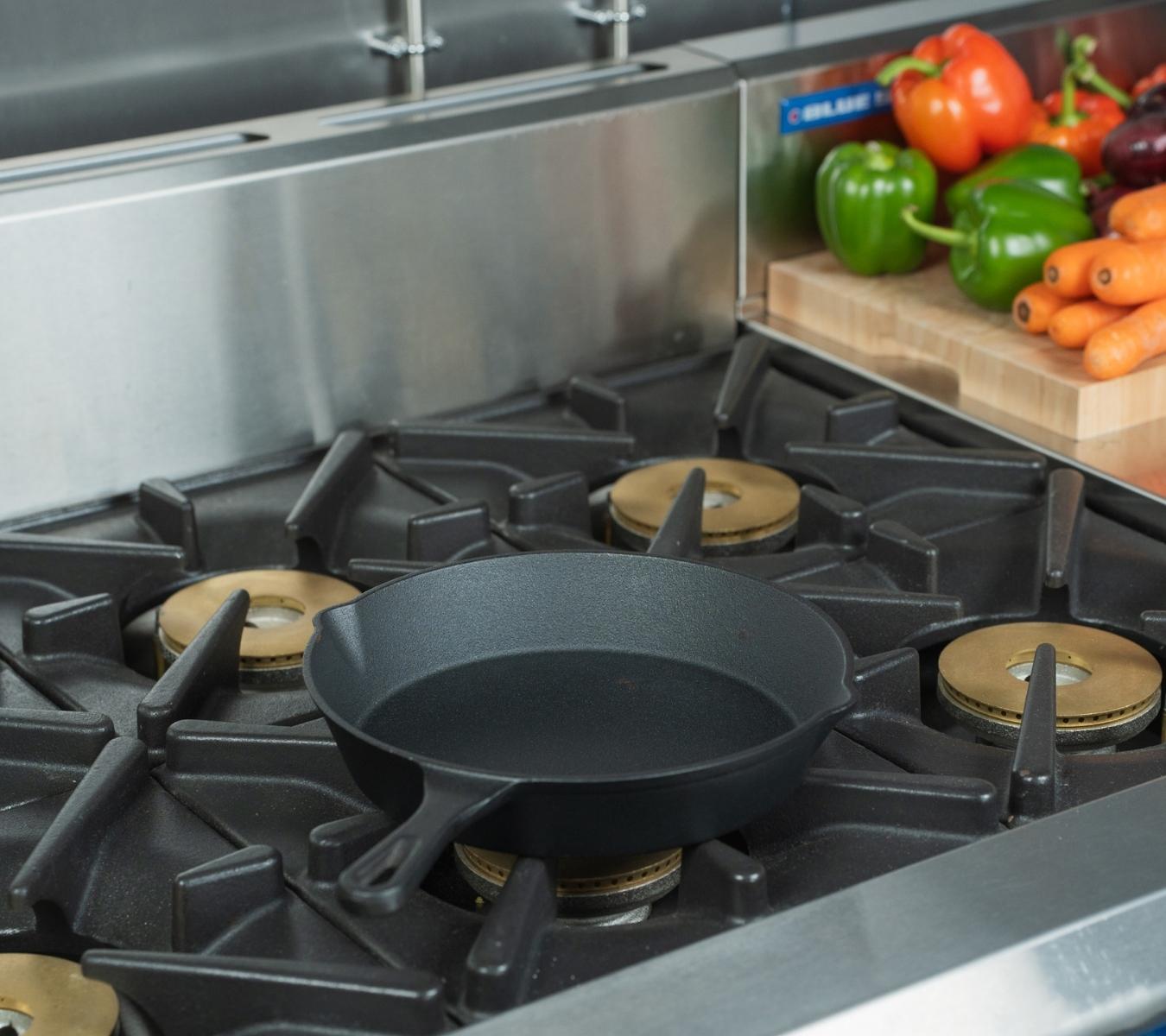
Cast iron on gas: Excellent once up to temperature. Gas provides the sustained heat that cast iron needs to reach its working temperature. Just allow enough preheating time before using.
Cast iron on electric: Good. The slow, steady heat of electric hobs suits cast iron well. It mirrors the gradual warm-up cast iron requires.
Cast iron on induction: Yes, cast iron is magnetic and works well on induction. The induction hob heats the cast iron through electromagnetic energy, and once up to temperature, cast iron performs brilliantly. The key is to allow the pan to heat gradually rather than cranking the induction up to maximum from a cold start, which can cause thermal stress.
Cookware Types and Heat Source Compatibility
Different types of cookware serve different purposes, and the heat source matters differently for each one.
Cookware Type & Hob Compatibility
| Cookware Type | Best Metal | Gas | Electric | Induction |
|---|---|---|---|---|
| Stockpots & large casseroles | Aluminium | ✅ | ✅ | ❌ |
| Saucepans | Stainless steel / TriPly | ✅ | ✅ | ✅ (TriPly only) |
| Saute pans | TriPly stainless steel | ✅ | ✅ | ✅ (TriPly only) |
| Casserole dishes (slow cooking) | Cast iron | ✅ | ✅ | ✅ |
| Serving / table cookware | Cast iron | ✅ | ✅ | ✅ |
Casseroles: Choosing the Right Metal for the Job
Casseroles are one of those pieces of cookware where the metal choice makes a genuinely significant difference to the end result. A thin, poor-quality casserole will develop hot spots, the base will scorch, and your carefully prepared dish will suffer for it.
For high-volume professional use on gas or electric, aluminium casseroles, particularly from our Heavy Duty and Kitchen King Stockpots and Casseroles ranges, offer the best combination of price, weight, and performance. The thick ground bases spread heat evenly, preventing burning, and the lightweight construction means less strain on kitchen staff moving heavy pots around a busy kitchen.
For induction kitchens, or for kitchens wanting something that can go from hob to oven to serving counter with equal confidence, cast iron or TriPly stainless steel casseroles are the way forward. Cast iron's heat retention means a casserole will stay at serving temperature for a surprisingly long time, ideal in catering contexts where dishes may need to rest before plating.
Stockpots: Volume Cooking Done Right
For bulk cooking, stocks, soups, boiling pasta or vegetables in large quantities, a good stockpot needs to heat large volumes of liquid efficiently without wasting energy or burning on the base.
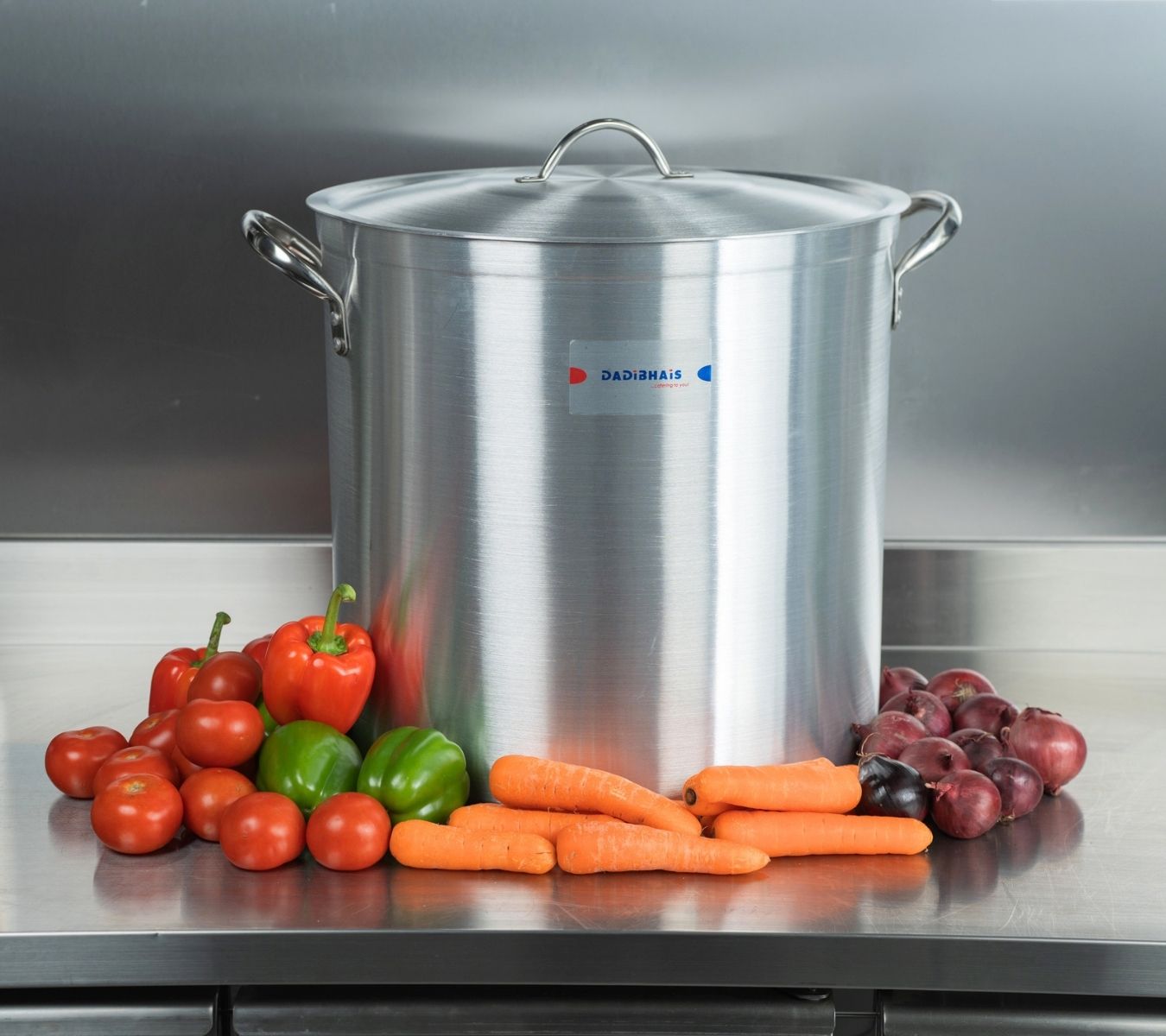
Aluminium is ideal here. The Medium Duty Aluminium Stockpots are lightweight despite their capacity, with cool-touch stainless steel handles for safe handling during service. For the biggest operations, the XL range goes up to capacities that home cooks will never need, but busy catering operations certainly will.
Induction cooking is limited here. If your kitchen runs on induction, check our stainless steel cookware range for stockpots and large saucepans that are fully induction compatible.
Switching Heat Sources: What to Check Before You Buy
If you're equipping a new kitchen, refitting an existing one, or simply replacing worn cookware, it's worth running through this checklist before purchasing:
- What heat source do you use? Gas and electric accept most metals. Induction requires magnetic metals, stainless steel (18/10) or cast iron.
- What type of cooking are you doing? High-volume boiling and stock work suits aluminium. Precise sauce work benefits from TriPly. Long, slow cooking suits cast iron.
- Do you need to go oven-to-hob? Cast iron and TriPly stainless steel handle this comfortably. Aluminium can also go in the oven; check your handle materials.
- Are you serving from the cookware? Cast iron mini pieces are built for this. They look the part on the table and hold heat long enough to matter.
- What's your budget and expected usage? Heavy-duty commercial aluminium is cost-effective and tough for high-frequency use. TriPly stainless steel is a longer-term investment that rewards with better performance and works on every heat source.
FAQ
Question: Is aluminium cookware suitable for induction hobs?
Answer: Standard aluminium is not induction compatible because it is not magnetic. You need aluminium with a magnetic stainless steel base or switch to stainless steel or cast iron.
Question: What is the best cookware for induction hobs?
Answer: TriPly stainless steel and cast iron are excellent for induction. They are magnetic and provide great heat distribution and retention.
Question: Can cast iron go from hob to oven?
Answer: Yes, cast iron performs exceptionally well going from hob to oven to table, making it ideal for slow cooking and serving.
Question: Why is TriPly stainless steel recommended for professional kitchens?
Answer: TriPly combines stainless steel durability with an aluminium core for excellent heat conductivity and works on all heat sources including induction.
Explore the Full Cookware Range at Cooksmill
Getting the metal right is one piece of the puzzle. Getting the right size, shape, and grade for your kitchen is the other. At Cooksmill, our full catering cookware range covers everything from individual saucepans to commercial-scale stockpots, with options across aluminium, stainless steel, and cast iron to suit every heat source and every budget.
Whether you're running a busy restaurant kitchen, setting up a catering operation, or simply want professional-quality cookware at home, we have the right tools for the job.