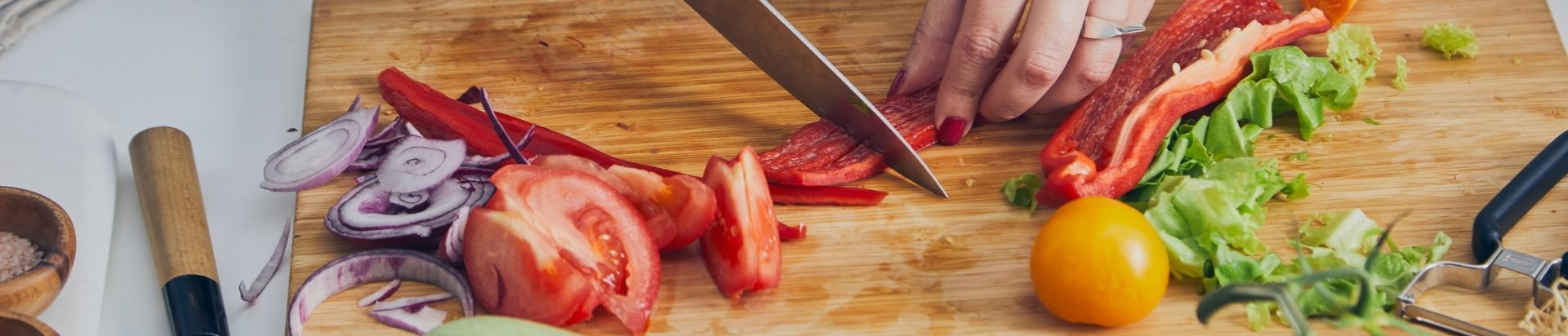
When it comes to cooking at home or running a professional kitchen, efficiency is everything. Whether you’re a busy parent trying to save time cooking during the week or a restaurant owner optimising workflow for catering services, the principles of kitchen efficiency can transform your daily routines. From meal planning and batch cooking to using the right equipment like meal prep containers, weighing scales, vegetable prep machines, and professional knives, streamlining your kitchen is about making small changes that add up to major benefits.
In this guide, we’ll explore how to meal prep efficiently and what the benefits are. We’ll also look at the kitchen work triangle, one of the most important design concepts in both home and commercial kitchens, and how to adapt it for modern needs.
Why Kitchen Efficiency Matters
The kitchen is often the busiest room in the house and the heartbeat of any restaurant. But without a system, it can become a source of stress. Inefficient cooking leads to wasted time, unnecessary effort, higher food bills, and increased food waste.
- For families: Kitchen efficiency helps reduce the weekday rush, makes meal planning easier, and cuts down on last-minute takeaways.
- For restaurants and caterers: Optimising workflow improves service speed, reduces staff stress, and minimises costly mistakes.
Put simply, an efficient kitchen saves time, saves money, and makes cooking enjoyable instead of overwhelming.
The Kitchen Work Triangle: The Foundation of Efficiency
The work triangle is a classic design principle that places the refrigerator, stove, and sink in a triangular layout. According to Cyncly, these three stations are where you spend the most time, so they should be arranged for easy movement between them.
- Refrigerator: For storing food and accessing ingredients.
- Sink: For washing, rinsing, and cleaning.
- Stove: For cooking and heat preparation.
The fewer steps between these three points, the smoother your kitchen workflow. In homes, this reduces frustration. In restaurants, it can be the difference between smooth service and chaos.
This triangle layout still remains vital, but modern kitchens also add meal prep areas, storage stations, and small appliances to the mix. Today’s kitchens need both the traditional triangle and an updated workflow optimisation plan.

Why Meal Prep Is the Key to Kitchen Efficiency
The single biggest strategy for kitchen efficiency is meal prep. When it’s done right, it cuts daily cooking time dramatically, reduces food waste, and makes both home and commercial kitchens more cost-effective. Instead of starting from scratch each day, you’re working from pre-prepared ingredients or ready-made portions.
But efficient meal prep doesn’t happen with planning alone. It depends heavily on having the right containers, scales, machines, and knives to keep the process smooth.
Meal Prep Plastic Containers: The Backbone of Storage
If there’s one product that underpins efficient cooking, it’s the meal prep container. Too often, people underestimate how much time is wasted because food isn’t stored properly.
- In home kitchens, this looks like half-used ingredients going soft at the back of the fridge, or leftovers being thrown away because no one labelled them.
- In restaurants, it means wasted stock, inconsistent portion sizes, and disorganised fridges that slow down service.
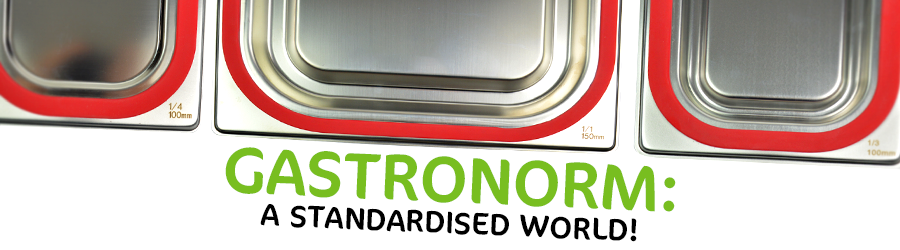
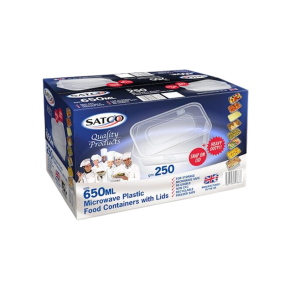
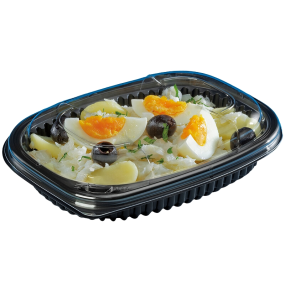
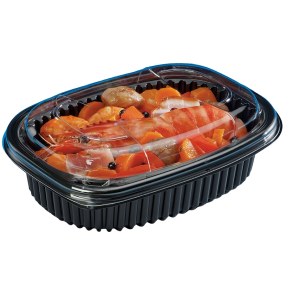
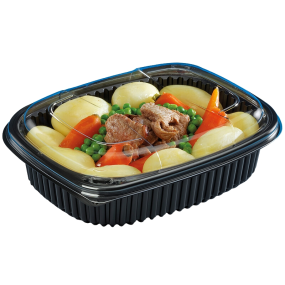
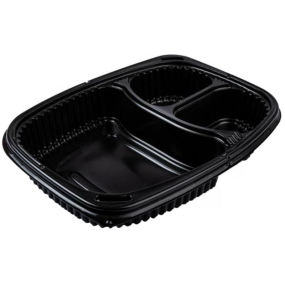
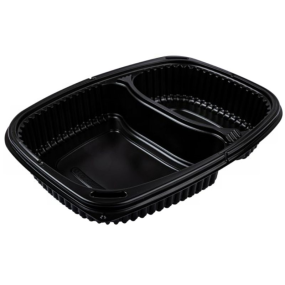
Plastic meal prep containers solve these problems. They’re lightweight, stack neatly, and come in standardised sizes that fit easily in fridges and freezers. A good set of containers turns your kitchen into an organised system where everything has a place.
For families, containers mean you can batch cook meals like curries, pasta sauces, stir-fries, and store them in single-portion packs. That way, everyone can take a meal when needed without having to reheat the whole batch. For restaurants, containers are used for prepping vegetables, sauces, and garnishes in advance so chefs can assemble dishes quickly during service.
Durability matters too. Our wide range of commercial-grade plastic containers is designed to withstand frequent washing, freezing, and reheating in the microwave, making them a better long-term investment than cheap alternatives. The key is standardisation: if every container is the same shape and size, they stack efficiently, saving precious fridge and shelf space.

Weighing Scales: Precision That Saves Time and Money
In a home kitchen, eyeballing ingredients might seem fine, but it often leads to inconsistency. In restaurants, guesswork can be costly. Over-portioning meat by just 10 grams across hundreds of dishes quickly eats into profits.
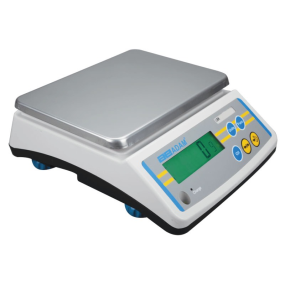
Digital weigh scales streamline cooking in several ways:
- Speed: Instead of measuring with cups or spoons, you weigh directly.
- Accuracy: Every portion is identical, reducing waste and keeping nutritional values consistent.
- Cost control: Particularly in catering kitchens, weighing ingredients ensures recipes deliver the expected margins.
For batch cooking, Cooksmill’s range of weighing scales is essential. When prepping multiple meals, you can portion out rice, pasta, or proteins into exact servings, then store them in containers. Families benefit by having balanced meals ready; restaurants benefit by guaranteeing that every plate served is identical.

Robot Coupe Vegetable Prep: The Workhorse of Professional Kitchens
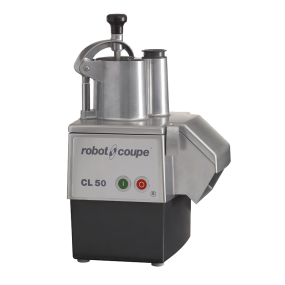
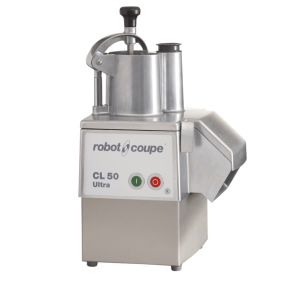
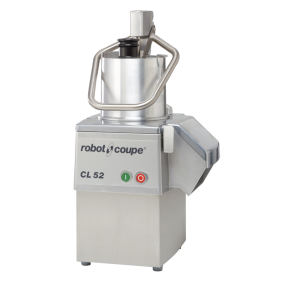
Few tools demonstrate the difference between manual labour and efficiency like the Robot Coupe vegetable prep machine. Anyone who has spent hours chopping onions or slicing carrots knows how time-consuming prep can be.
The Robot Coupe takes those repetitive, labour-intensive tasks and completes them in a fraction of the time. What might take two kitchen staff 45 minutes with knives can be done in under five minutes with the machine.
For restaurants and catering kitchens, this isn’t just about speed. It also improves consistency. Every slice or dice is uniform, which makes dishes more visually appealing and helps with even cooking. That kind of reliability is impossible to achieve at scale with hand-cut prep.
For home use, the investment might seem steep, but for large families who batch cook regularly, or for anyone running a small catering business from home, a Robot Coupe can completely change workflow. Instead of dreading hours of chopping, you can move straight to cooking and assembling meals.

Proper Knives: The Unsung Heroes of Efficiency
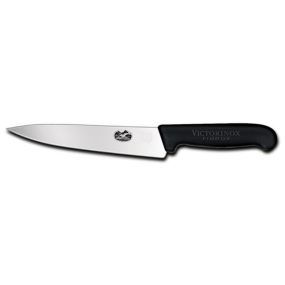
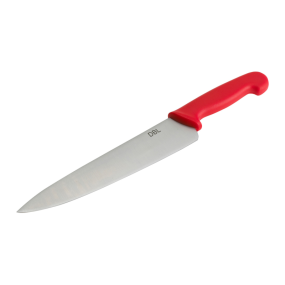
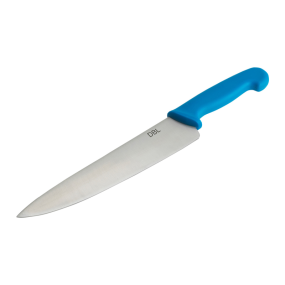
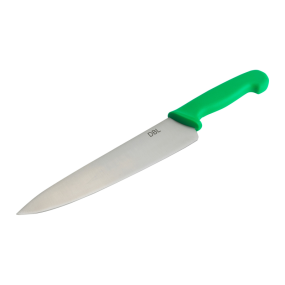
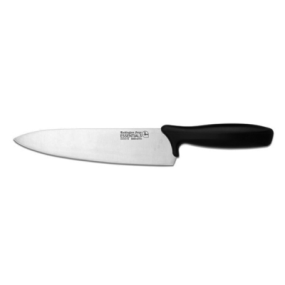
While machines like the Robot Coupe handle bulk prep, there’s still no substitute for a good knife set. Cheap, blunt knives slow everything down, require more force, and increase the risk of injury. A sharp chef’s knife, a paring knife, and a serrated bread knife cover most needs.
Knives are essential for an efficient kitchen, as every meal involves cutting in some form. With a sharp knife, you move faster, cut more accurately, and waste less food. Professional chefs will tell you: blunt knives not only ruin ingredients but also exhaust the cook.
Pairing good knives with the right chopping boards, ideally colour-coded for meat, vegetables, and fish, adds another layer of organisation and safety to the kitchen.

Batch Cooking: Efficiency at Scale
For Families
Batch cooking at home is one of the easiest ways to save time. Instead of cooking every night, you dedicate a few hours on the weekend to prepare multiple meals. Using containers and weighing scales, you divide them into portions, freeze or refrigerate them, and enjoy stress-free weeknights.
A family might roast trays of vegetables, cook grains like rice or quinoa, and grill chicken breasts in one session. By mixing and matching during the week, you create variety without extra effort.
For Restaurants
In a restaurant or catering kitchen, batch cooking takes on an even bigger role. Large quantities of sauces, soups, or stocks are prepared in advance and stored in labelled containers. During service, chefs can quickly assemble dishes instead of starting from scratch.
This is where products like the Robot Coupe and weighing scales shine. A team using these tools can prep an entire day’s worth of ingredients in hours instead of a full shift. The result is faster service, consistent plates, and happier customers.
Storing Meal Prep: Best Practices
Efficient storage is about more than just having containers. It’s about food safety, freshness, and organisation.
- Cool quickly: Cooked food should be cooled and stored promptly to prevent bacterial growth.
- Label everything: Dates are essential, especially in restaurants where health regulations are strict.
- Stack smartly: Standardised containers ensure every inch of fridge and freezer space is used efficiently.
- Rotate stock: First in, first out keeps food from spoiling.
Families can benefit from clear labelling too, knowing which meals are safe to eat first avoids waste. Restaurants take it further by maintaining prep lists and regular fridge audits.
Reducing Food Waste Through Efficiency
Food waste is a global problem, but efficient kitchens are part of the solution. By using scales to control portions, containers to preserve freshness, and batch cooking to use up bulk ingredients, both homes and restaurants reduce what gets thrown away.
Robot Coupe machines also help by making use of every part of a vegetable; trimmings can be turned into stocks or soups instead of being discarded. And with sharp knives, less food is wasted through poor cutting.
Read our blog on Zero Waste to find out more about how you can reduce food waste in your own kitchen.

The Cost-Effectiveness of Efficiency
Essential tools and equipment, like Robot Coupe machines or commercial-grade containers, involve upfront costs. But the return on investment is clear:
- Less labour: Staff spend fewer hours on repetitive tasks.
- Lower food costs: Portion control and reduced waste save money.
- Faster service: Restaurants turn tables quicker; families save time on weeknights.
In other words, efficiency pays for itself.

Kitchen Efficiency with Cooksmill
The principles of kitchen efficiency are universal: plan ahead, batch cook, store food properly, and use the right tools. But the products you choose make the difference between struggling through prep and moving seamlessly from fridge to stove to table.
Whether you’re a parent trying to save time cooking or a chef optimising a catering operation, Cooksmill’s products aren’t luxuries; they’re essential to making the kitchen run smoothly. Instead of cutting corners, true efficiency is about creating a system that makes cooking easier, more affordable, and sustainable.
Keep scrolling to discover some of our best-selling Kitchen Efficiency products.