Running a restaurant has never been simple, but recent years have made it even more challenging. Rising food prices, higher energy bills, recruitment pressures and tighter margins mean many restaurants are having to look closely at how their business runs day to day. For most, the question is no longer whether to improve cost efficiency, but how to do it without damaging food quality, service standards or the overall customer experience.
Cost efficiency does not mean cutting corners. In fact, the most successful restaurants are often the ones that invest in better systems, durable equipment and smarter ways of working. Small, well-considered changes can reduce waste, save time and lower operating costs over the long term.
This guide looks at how restaurants can reduce costs in a practical, sustainable way. From food preparation and storage to labour efficiency and equipment choices.
How to Save Money in Your Restaurant Cooksmill's Top Tips
- Portion Control and Consistency
- Reducing Prep Waste
- Smarter Food Storage
- Lower Your Food Costs (Without Cutting Quality)
- Efficient Workflows Save Time
- Reducing Training Time
- Investing in Durability
- Reducing Breakages in Front of House
- Faster Cleaning and Turnaround
- Space Efficiency
Understanding Restaurant Cost Efficiency
Before looking at specific areas, it helps to clarify what cost efficiency really means in a restaurant context. It is not about doing things cheaply; it is about doing things well and consistently. Inefficiency often shows up as wasted food, duplicated effort, unnecessary replacements or processes that take longer than they should.
When kitchens are set up with the right tools, staff spend less time improvising and more time cooking and serving. When storage is organised properly, food lasts longer, and stock control improves. Over time, these small efficiencies add up, helping restaurants cut costs while maintaining the standards customers expect.
How to Cut Food Costs in Restaurants
Food costs are one of the largest and most visible expenses in any hospitality business. While supplier pricing matters, many opportunities to reduce restaurant food costs exist within the kitchen itself.
Portion Control and Consistency
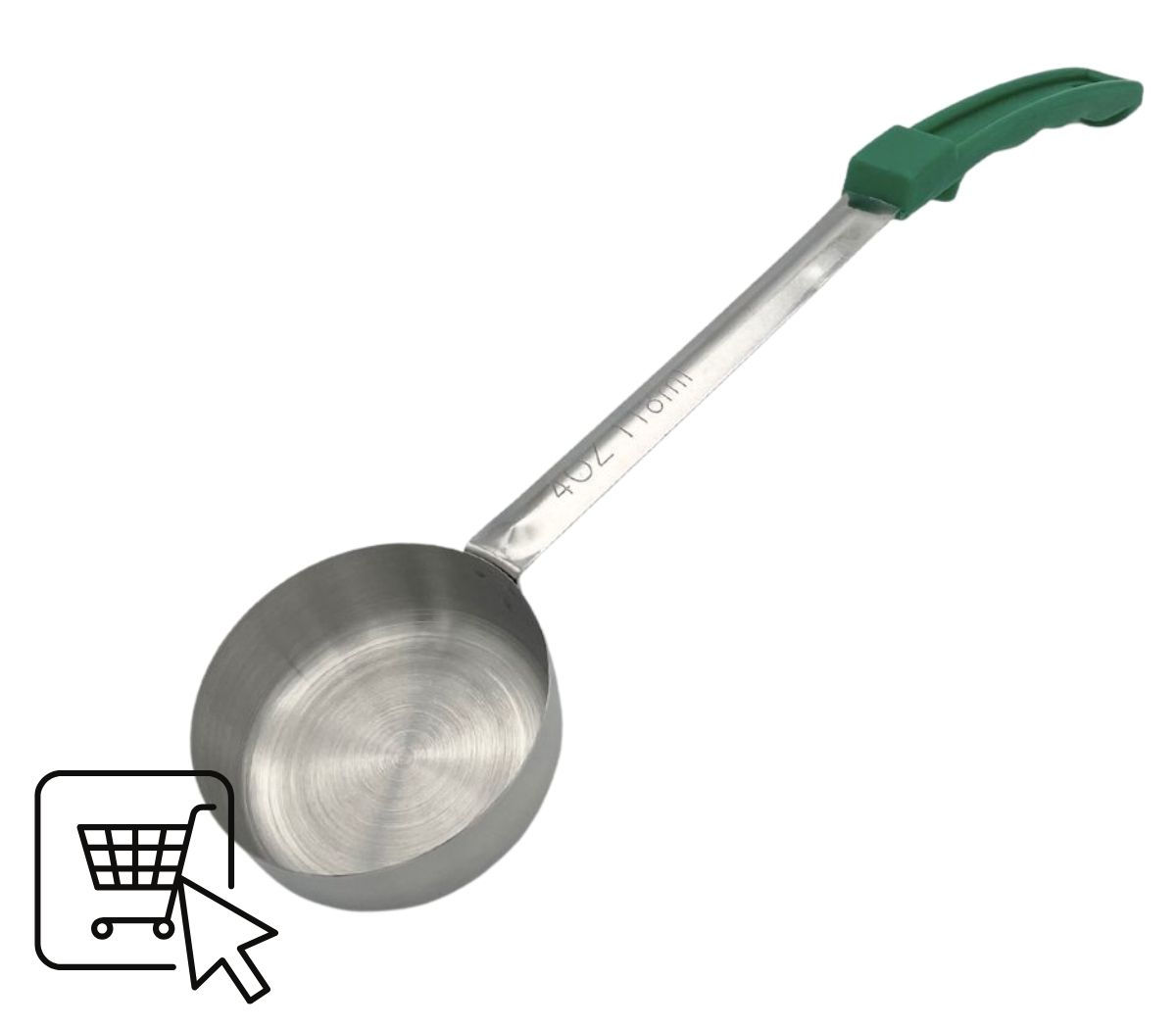
One of the simplest ways to lower food costs is by improving portion control. Inconsistent portions can quickly erode margins, especially on high-volume dishes. Using professional portioning tools helps ensure each plate is consistent, both visually and financially.
Cooksmill stocks a wide range of colour-coded stainless steel ladles (with colours like blue for seafood and orange for allergens), spoodles with various capacities (red handle for 2oz and green handle for 4oz) and serving spoons designed for commercial kitchens. These tools support consistency without slowing service, making it easier to control costs while delivering a reliable presentation.
Reducing Prep Waste
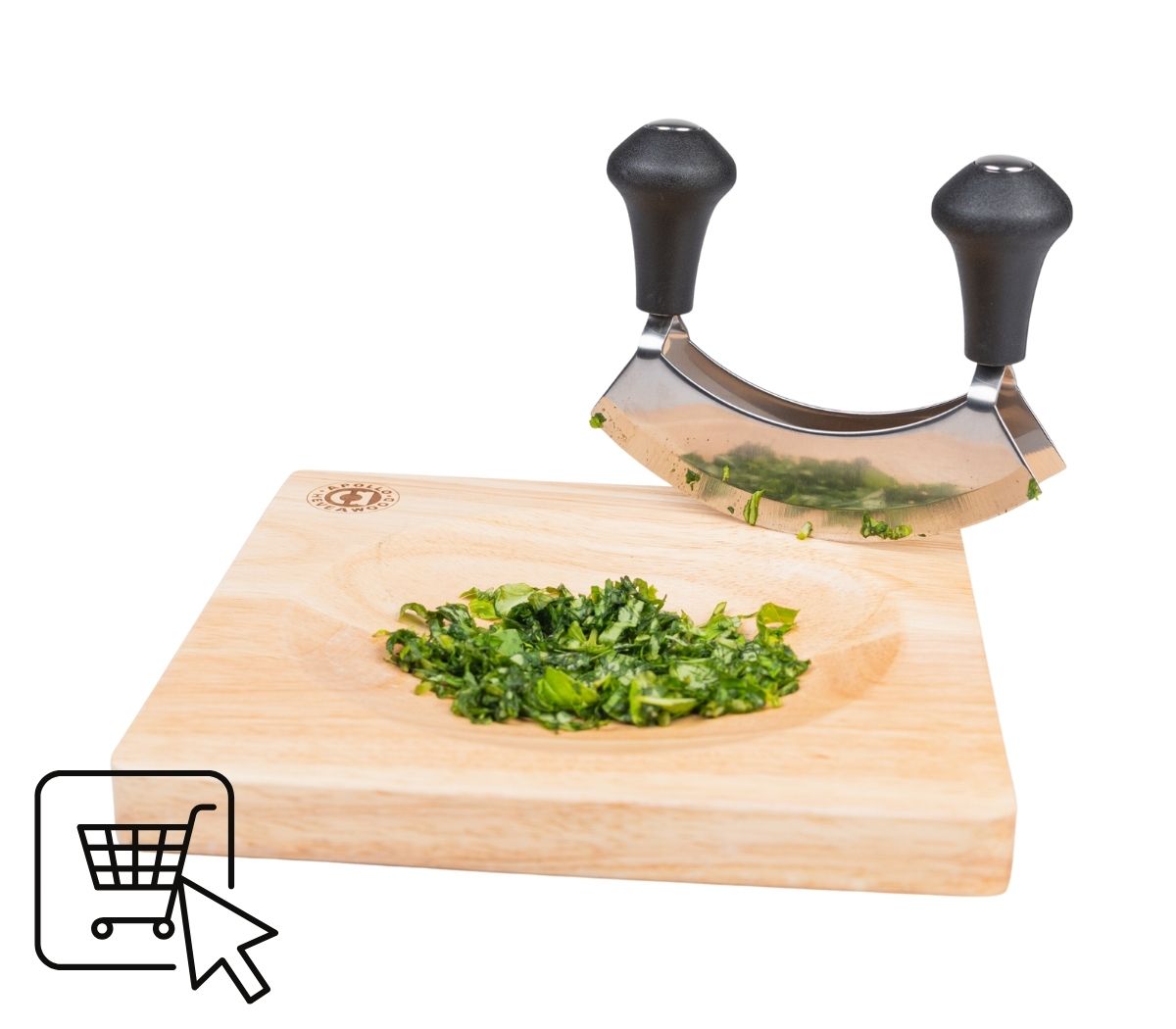
Food waste often starts during preparation. Poor-quality knives, awkward prep bowls or unsuitable utensils can lead to unnecessary trimming and slower workflows. Over time, this increases both food waste and labour costs.
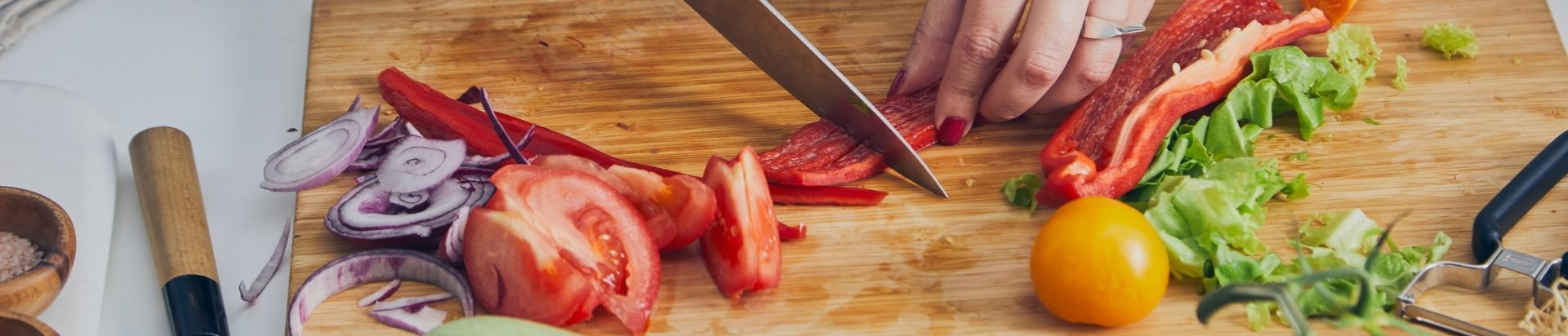
Investing in professional chef knives, mandolines and durable prep bowls can significantly improve efficiency. Clean cuts mean less waste, while well-sized bowls and containers make batch preparation easier and more organised.
Smarter Food Storage
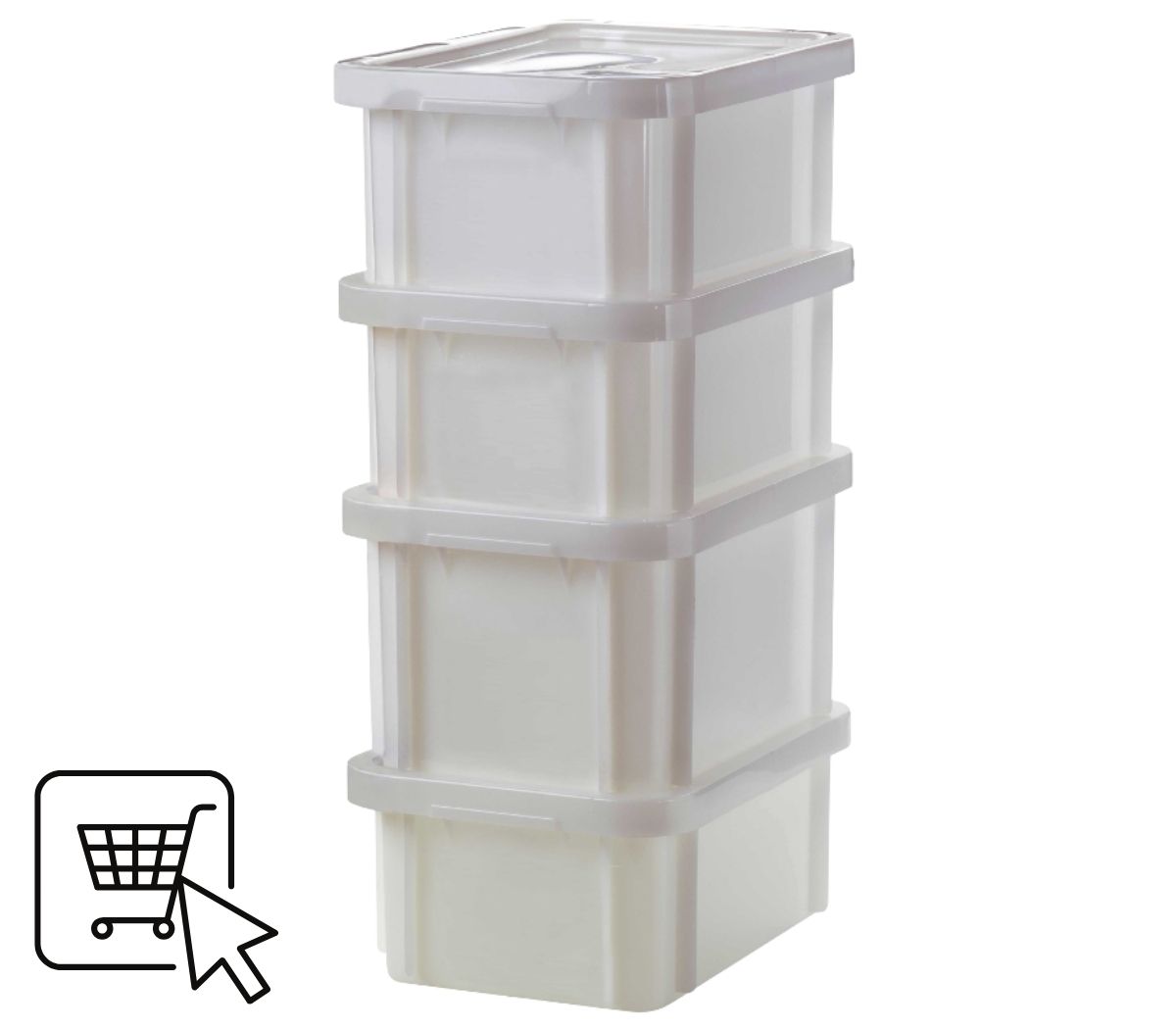
How food is stored has a direct impact on waste levels. Ingredients that are poorly labelled, incorrectly stacked or inadequately sealed are far more likely to spoil before use.
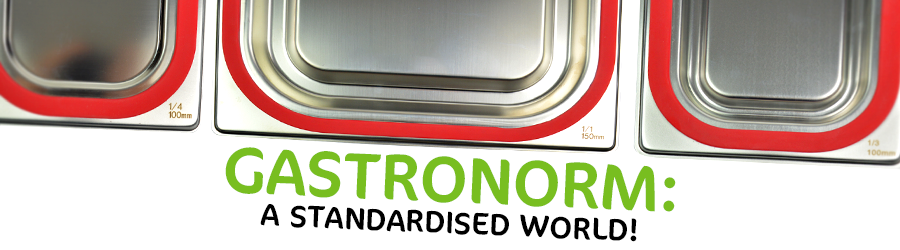
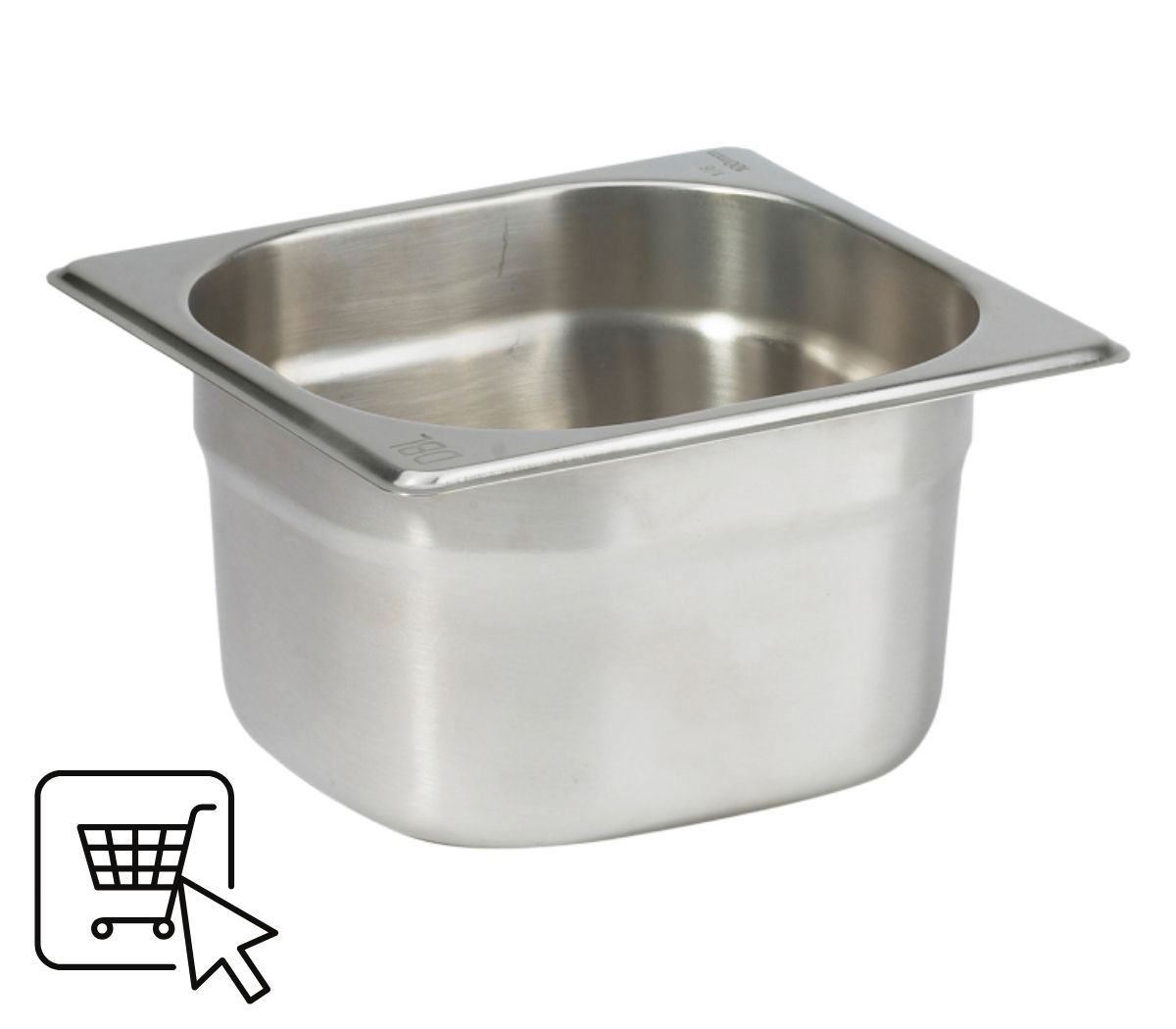
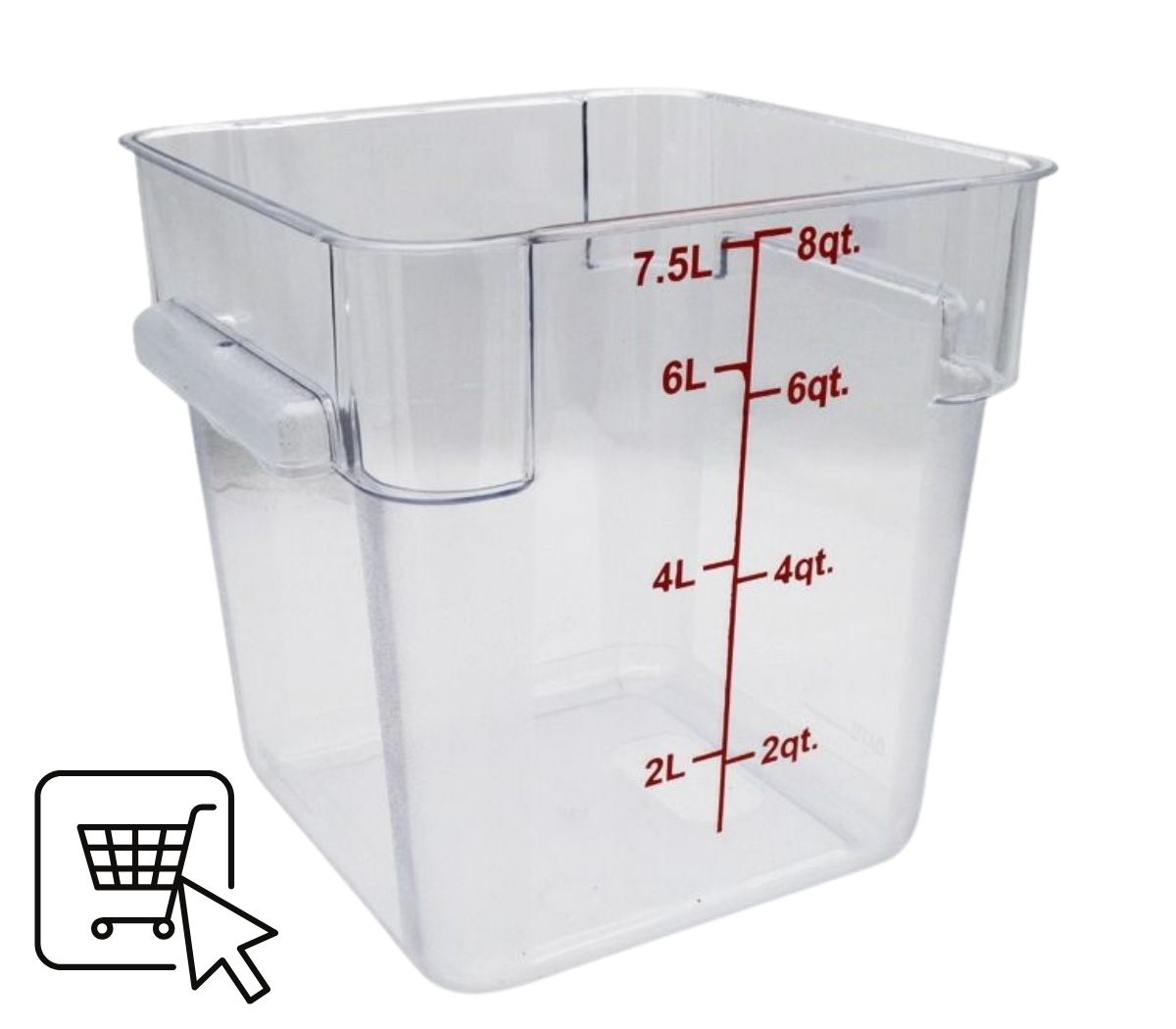
Stackable food storage containers, gastronorm containers and tight-fitting lids help kitchens organise ingredients properly. Clear containers make it easier to follow FIFO (first in, first out) principles, while robust materials withstand repeated use and cleaning. Over time, better storage is one of the most effective ways to reduce restaurant food costs without changing menus or portion sizes.
How to Cut Labour Costs in Restaurants the Right Way
Labour is often the most sensitive cost area. Reducing hours or headcount without addressing underlying inefficiencies can quickly lead to burnout, mistakes and poorer service. A more sustainable approach is to make each shift run more smoothly.
Efficient Workflows Save Time
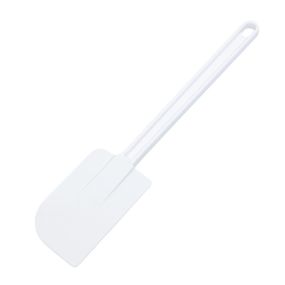
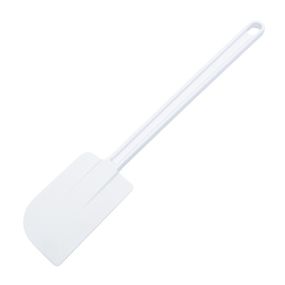
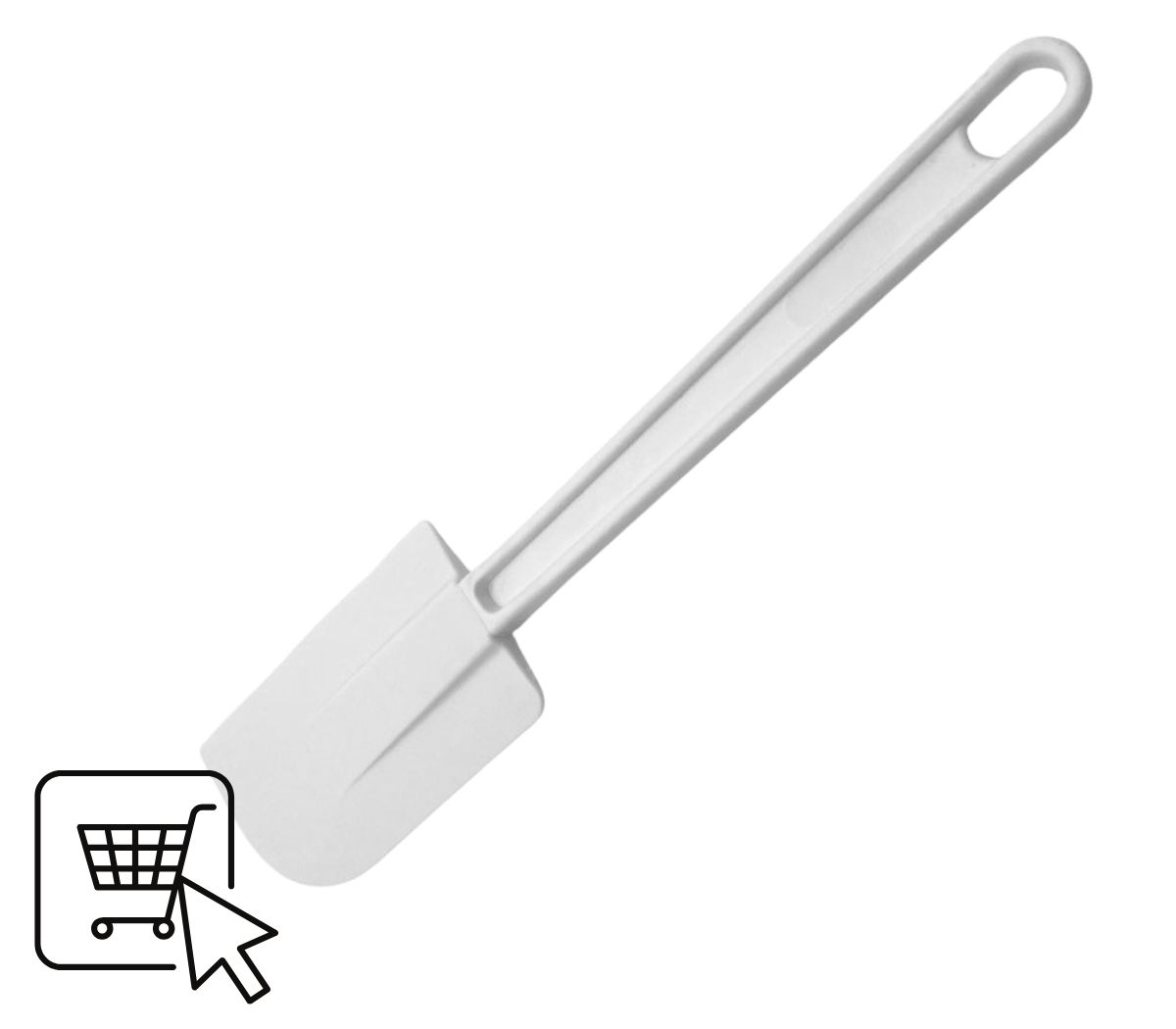
When tools are reliable and easy to find, staff spend less time searching, fixing or adapting. Durable utensils such as specialised fish tongs, heat-resistant spatulas and robust everyday tongs help kitchens operate smoothly during busy periods. Fewer interruptions mean service runs faster, and staff feel more in control of their workload.
Reducing Training Time
High staff turnover is common in hospitality, making training efficiency especially important. Standardising equipment across stations helps new starters learn routines more quickly. When every section uses the same containers, utensils and prep tools, staff can move between tasks with less supervision.
This kind of consistency supports cost efficiency by reducing training time and limiting errors during service.
How Can Restaurants Reduce Costs Through Better Equipment Choices?
Equipment is often viewed as a one-off purchase, but in reality, it has a long-term impact on operating costs. Cheaper items may look appealing initially, but frequent replacements, breakages and downtime can make them more expensive over time.
Investing in Durability
Professional catering equipment is designed to withstand daily use, high temperatures and commercial dishwashers. Stainless steel mixing bowls, heavy-duty chopping boards, and robust cookware, such as cast-iron pans, last longer and perform more consistently.
Cooksmill focuses on supplying equipment that supports long-term use. This approach reduces the need for constant reordering and helps restaurants plan purchases more predictably. By choosing high-quality materials, businesses can maintain a higher standard of service while lowering their overall environmental impact. Ultimately, durable tools are the foundation of a reliable kitchen with sustainability.

Reducing Breakages in Front of House
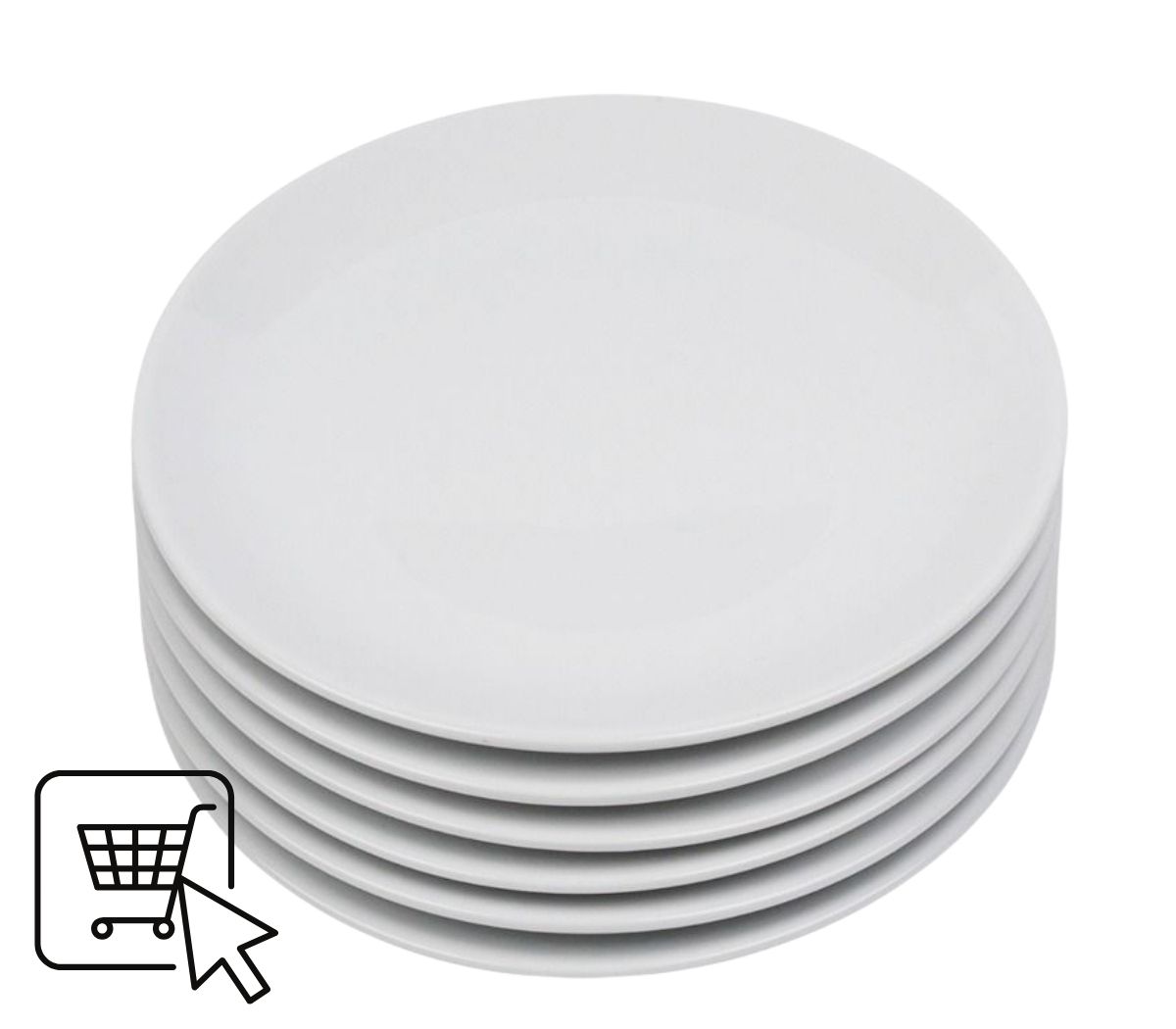
Front-of-house costs are often overlooked when discussing efficiency. Chipped plates, cracked bowls and damaged serviceware not only look unprofessional but also increase replacement costs.
Using durable ceramic crockery and stackable designs helps reduce breakages during service and storage. Reinforced edges and professional-grade materials are particularly valuable in busy environments where equipment is handled frequently. This commitment to quality not only protects your budget but also elevates the overall dining experience for every guest.
How to Reduce Operating Costs in a Restaurant
Operating costs extend beyond food and labour. Cleaning, maintenance and energy usage all play a role in overall efficiency. Streamlining these back-of-house tasks reduces friction, allowing the team to focus on guest experience. When equipment is well-maintained and resources are optimised, the entire system operates at its highest potential.
Faster Cleaning and Turnaround
Equipment that is easy to clean saves both time and resources. Smooth stainless steel surfaces, durable utensils and well-designed gastronorm trays reduce the need for intensive scrubbing or soaking. Faster turnaround means staff can focus on service rather than cleaning, improving overall productivity.
Non-porous materials and seamless construction further prevent trapped food, ensuring the highest standards of hygiene with minimal effort. This allows for a more agile kitchen that can handle peak periods without putting strain on your equipment.
Space Efficiency
Well-organised kitchens make better use of available space. Stackable essentials, easy-to-reach shelves and storage containers placed in suitable areas help reduce clutter and improve workflow. When space is used efficiently, movement is easier, and service becomes more consistent.
Slimline equipment allows even the smallest kitchen to maximise its output without compromising on safety or speed. By optimising every square inch, chefs can maintain a calm environment that is essential for high-pressure commercial kitchens.
Balancing Technology and Practicality
Automation and robotics are increasingly discussed in hospitality, particularly as a way to address labour shortages. While full automation may not be suitable for every restaurant, many kitchens can benefit from smaller, practical efficiencies first.
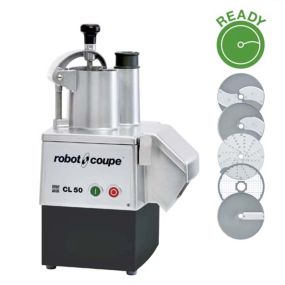
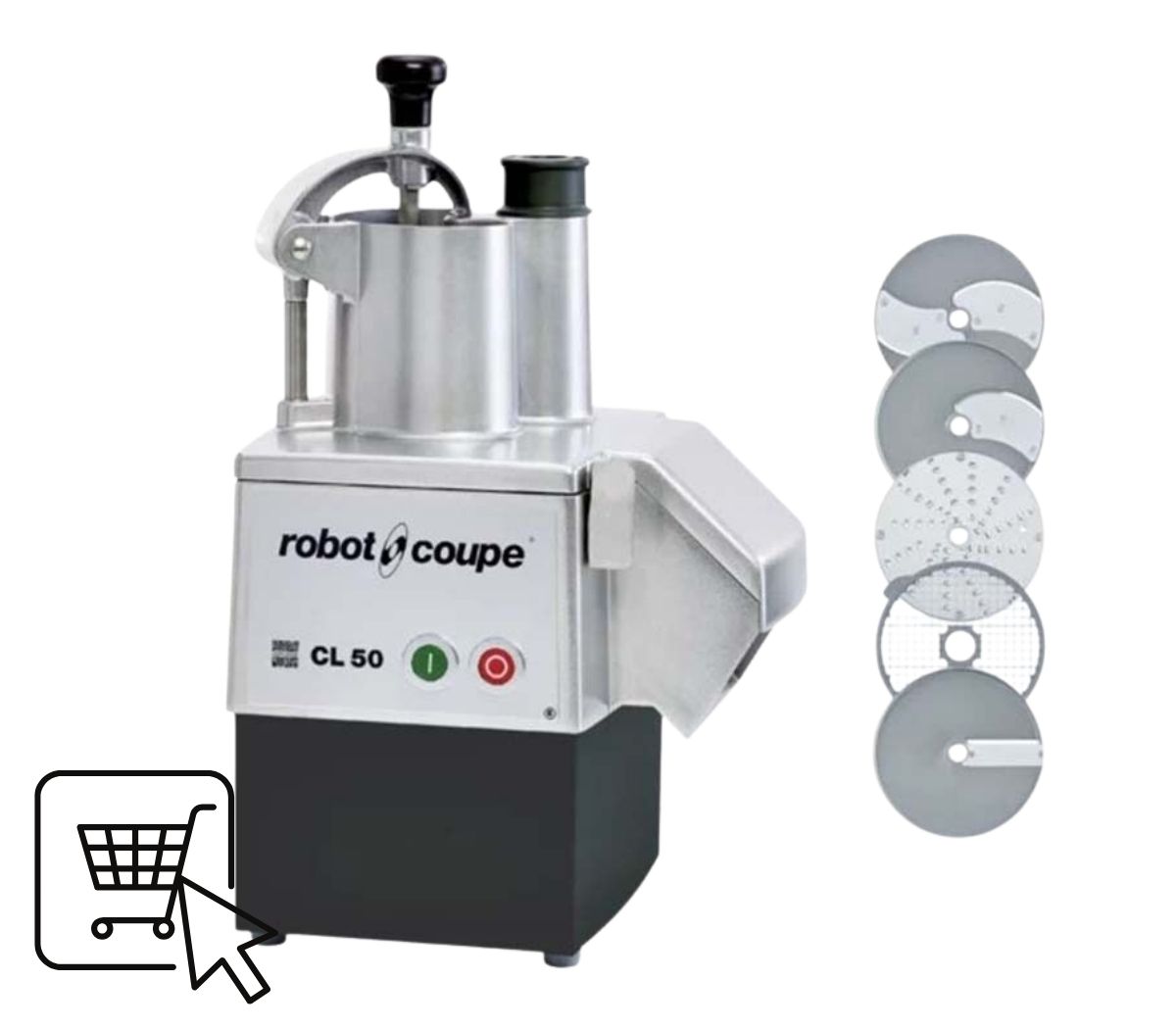
Durable cookware and reliable machinery often deliver faster returns than complex technology. The Robot Coupe CL50 Ready Veg Prep Machine with 5 Discs is an ideal use of technology for both time and cost efficiency. For many restaurants, improving the basics is the most realistic way to reduce costs without increasing risk.
Building Long-Term Cost Efficiency
Cost efficiency is not a one-time project. It develops over time through consistent choices and gradual improvements. Restaurants that focus on durable equipment, clear systems and staff-friendly workflows are better positioned to adapt to changing conditions.
By choosing professional products designed for hospitality environments, restaurants can reduce waste, lower replacement costs and support their teams more effectively. These changes may seem modest individually, but together they create a more resilient and efficient operation.
Cost Efficiency with Cooksmill
Restaurants are under real pressure, but cutting costs does not have to mean cutting quality. By focusing on practical efficiencies, particularly in food preparation, storage, equipment durability and workflow, restaurants can protect margins while continuing to deliver great food and service.
Cooksmill’s range of professional catering equipment supports this approach, helping kitchens work smarter, last longer and operate more efficiently over time.