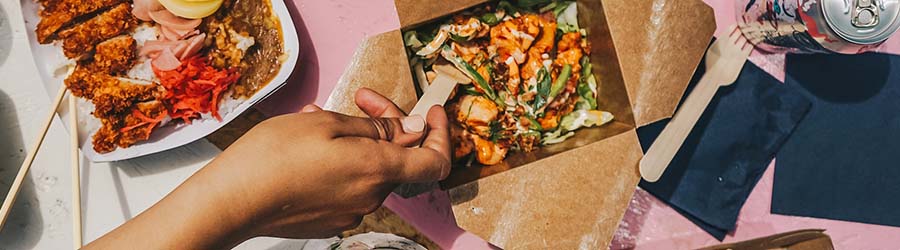
The way people choose where to eat has changed dramatically. Word of mouth still matters, but it now lives online. A single Instagram post or TikTok video can drive queues overnight, while a negative review can impact footfall just as quickly.
Social media is no longer just a marketing channel for restaurants and cafes. It actively shapes the dining experience itself, influencing menus, interior design, plating, and even how staff interact with guests.
Industry data shows just how powerful this shift has become. Around 75% of diners say social media photos influence where they eat, and younger audiences increasingly use platforms like TikTok to discover venues rather than traditional reviews.
For hospitality businesses, this creates both opportunity and pressure. The venues that adapt thrive. Those who ignore it get left behind. This guide explores the biggest social media restaurant trends, how social media affects the dining experience, and practical restaurant social media strategies that cafes and hospitality venues can use to stand out both online and in person.
Why Social Media Now Defines Dining Decisions
Not long ago, diners relied on recommendations, guidebooks, or proximity. Today, discovery happens in feeds. Platforms like Instagram and TikTok have become visual search engines. Diners scroll through reels, tagged photos, and location pages before they ever open Google Maps.
This shift has created some major changes:
- Discovery Happens Before Arrival
People often decide where to eat before they leave home. If your food or interior isn’t visible online, you may not even be considered.
- Perception Is Built Digitally
Your online presence becomes the “first impression”, sometimes more important than your physical frontage.
- Experience Is Designed for Sharing
Dining is no longer private. It’s performative. People eat with their phones first.
For restaurants and cafes, this means every touchpoint, from plating to tableware, becomes part of the marketing.
The Rise of Instagrammable Dining
The term gets overused, but the concept is real. Guests increasingly look for venues that photograph well.
Visual appeal now influences:
- Menu development
- Lighting design
- Table presentation
- Interior styling
Restaurants are even creating limited-time experiences or themed installations purely to generate online buzz and “fear of missing out.” This doesn’t mean style replaces substance. But presentation is now part of the product.
Simple changes can elevate shareability:
- Textured or coloured crockery instead of plain white plates
- Colour contrast in plating
- Unique glassware for drinks
- Ambient lighting and candle placement
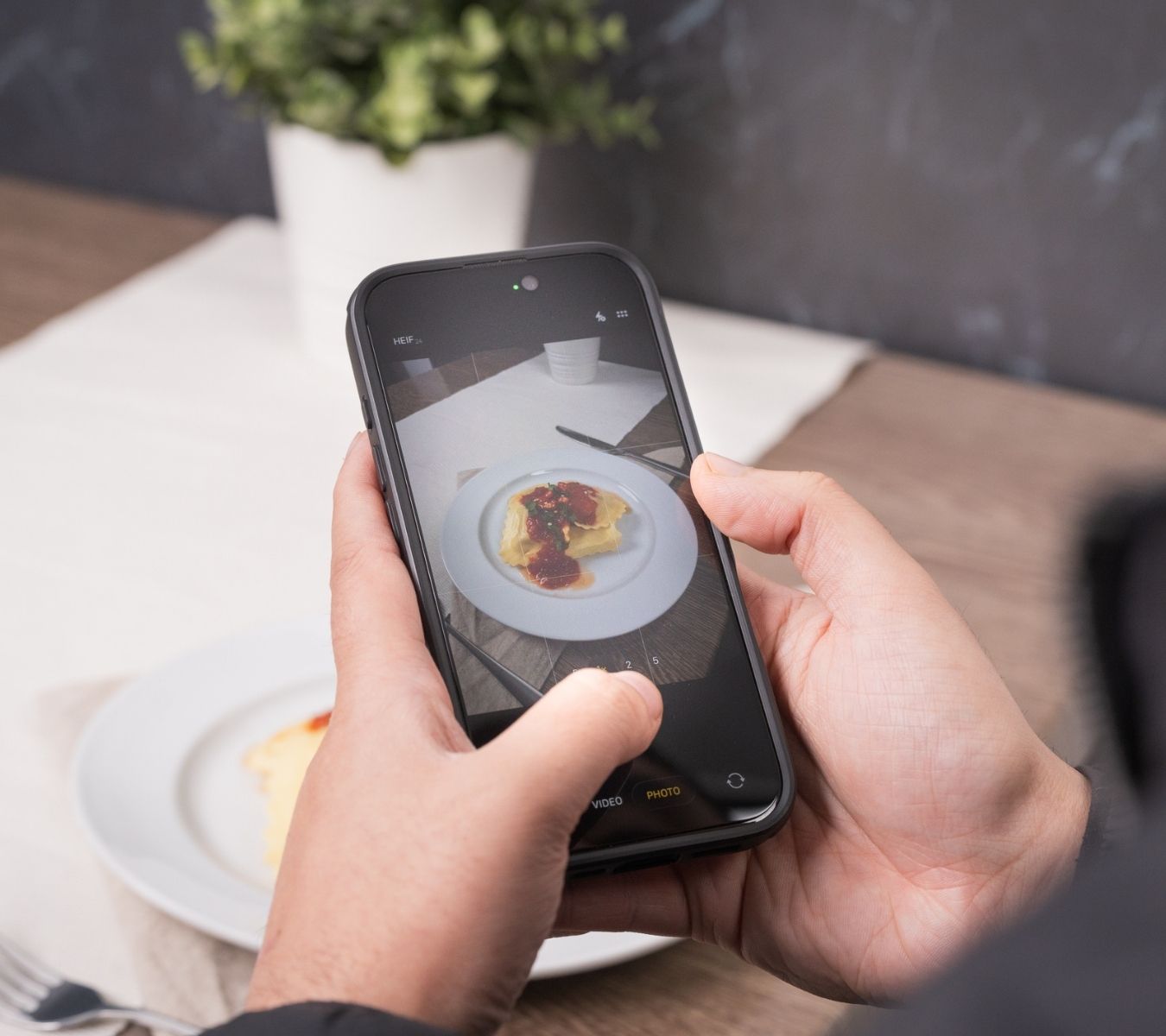
For example, stoneware crockery or reactive glaze plates subtly enhance food photography without feeling gimmicky. Likewise, using crystal tumblers or patterned glassware helps drinks stand out in photos, especially cocktails or mocktails.
Even small details like artisan ramekins for dips or wooden serving boards for sharing dishes can turn a standard meal into a shareable moment.
User-Generated Content: Your Most Powerful Marketing Asset
One of the biggest shifts social media has created is the rise of user-generated content (UGC). Instead of relying purely on advertising, restaurants now benefit from customers promoting them organically.
This has huge advantages:
- Authentic endorsements feel more trustworthy
- Posts reach new audiences organically
- Local discovery increases through geotags
In fact, social media reviews and posts often feel more credible than traditional marketing because they appear unbiased.
How to Encourage UGC Without Asking
The key is designing moments worth sharing.
Think about:
- Eye-catching plating
- Branded presentation touches
- Memorable table layouts
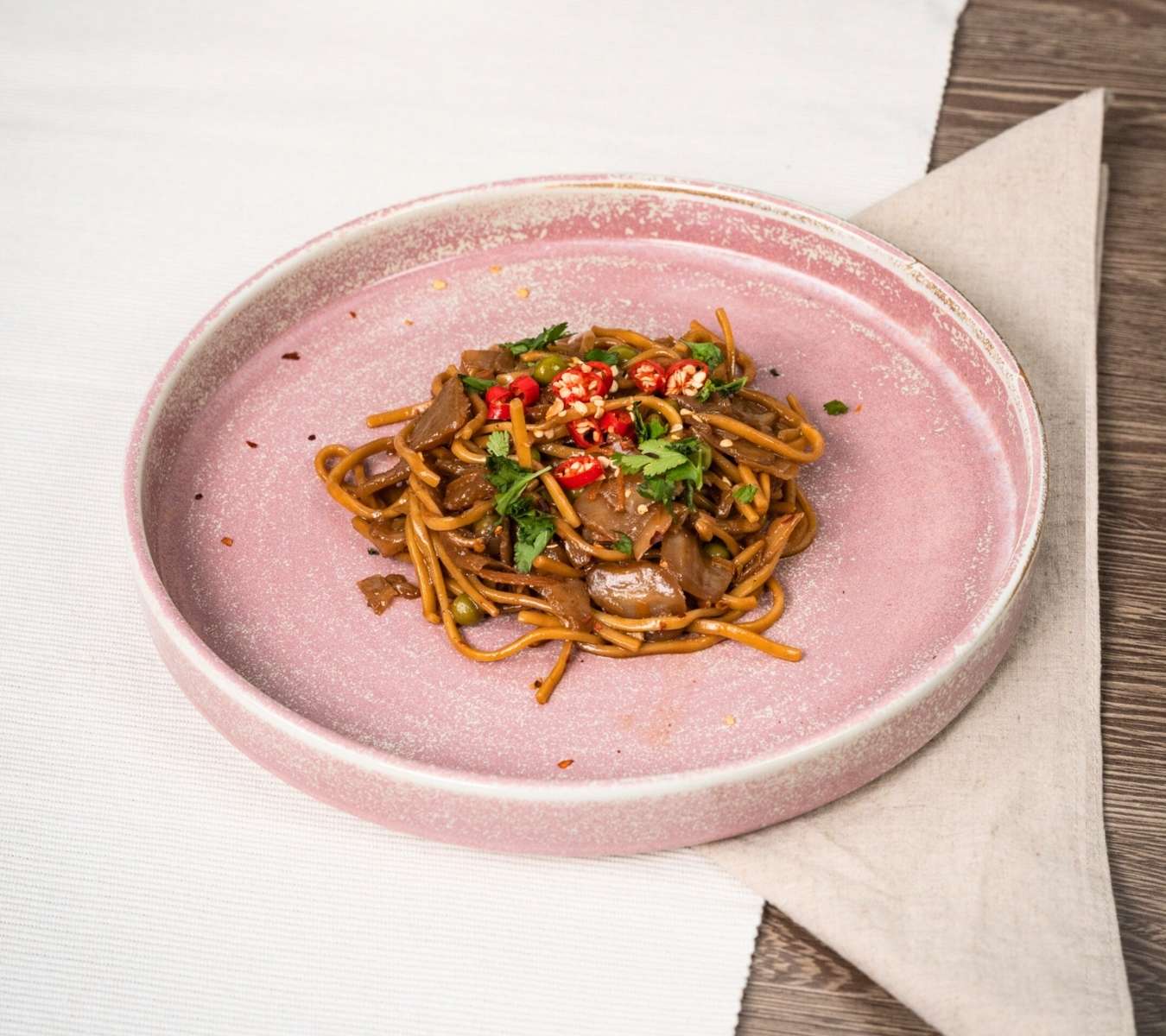
Serving starters on slate platters, desserts in small cast-iron pans, or drinks in distinctive cocktail glasses gives guests a reason to take photos naturally. The goal isn’t forcing content, it’s creating a setting where sharing feels effortless.
The Influence of TikTok and Short-Form Video
If Instagram changed food photography, TikTok changed food storytelling. Short-form video is now one of the biggest drivers of restaurant visibility. Restaurants are seeing real growth from simple, authentic clips rather than polished campaigns.
This content typically includes:
- Behind-the-scenes kitchen prep
- Chef introductions
- Menu reveals
- Satisfying cooking moments
The important takeaway is that authenticity beats perfection. You don’t need cinematic production, but you do need personality. Even something as simple as plating a dish on distinctive coupe plates or pouring a drink into premium glassware can become engaging content if filmed well.
Social Media Is Changing Restaurant Design
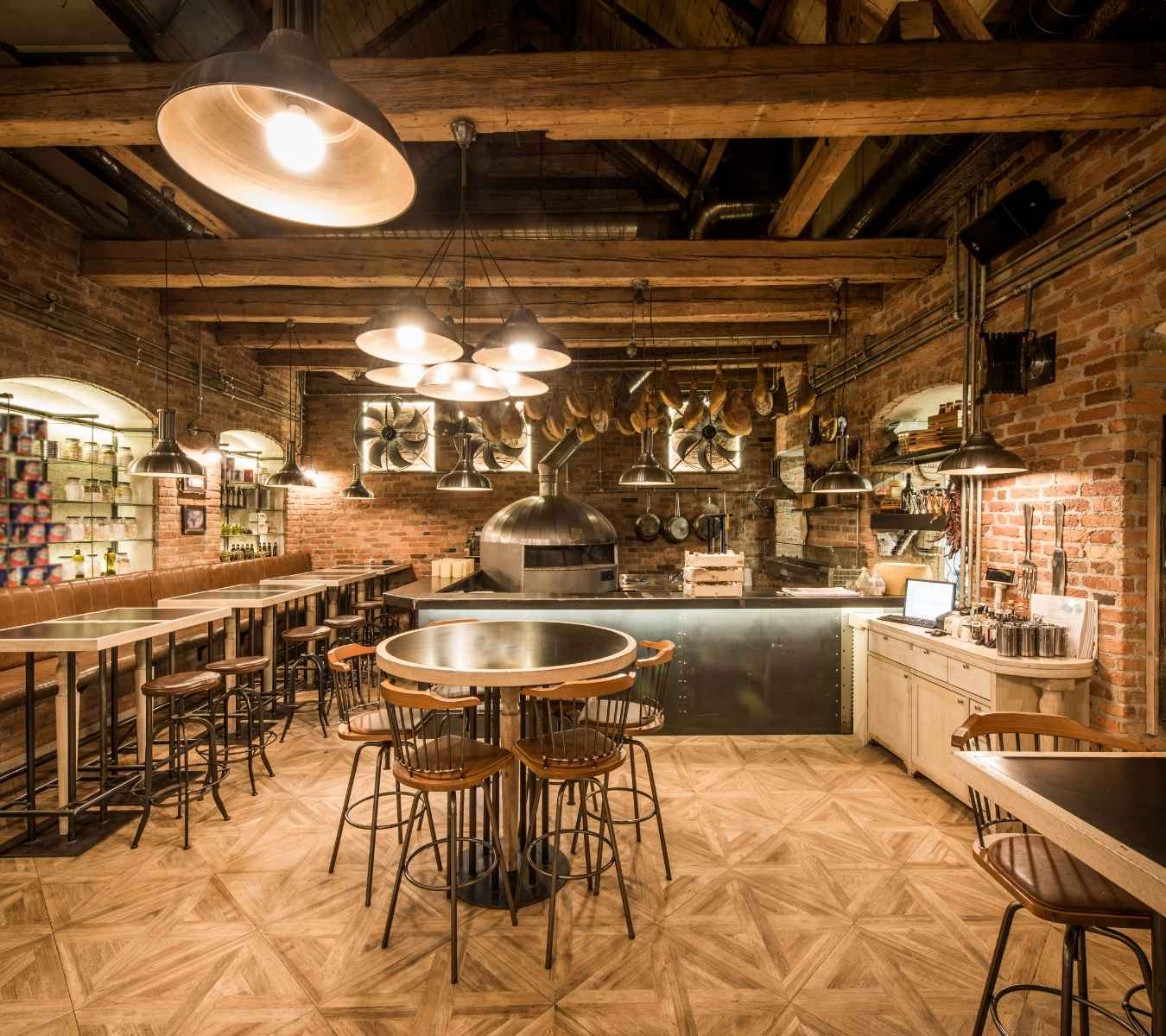
One of the biggest but least discussed impacts is how social media influences physical spaces. Restaurants are now designed with cameras in mind.
Key design trends include:
- Open kitchens for theatre
- Statement lighting
- Feature walls
- Table spacing for photography
Even table settings are evolving. Minimal clutter, well-proportioned crockery, and cohesive styling help photos look cleaner and more professional.
For example:
- Matching cutlery ranges create visual consistency
- Light-toned plates highlight colourful dishes
- High-quality serving ware perfectly presents your dishes
These choices aren’t just aesthetic. They improve shareability and reach.
Reviews, Feedback, and Real-Time Reputation
Social media has blurred the line between marketing and customer service. Feedback is now public, immediate, and permanent.
This has two implications:
- Speed Matters: Responding quickly to reviews builds trust and credibility.
- Transparency Builds Loyalty: Owning mistakes publicly often strengthens brand perception.
Many hospitality experts recommend treating negative feedback as an opportunity to demonstrate care and professionalism rather than a threat. In other words, how you respond matters more than the review itself.

How Restaurants Attract Customers on Social Media
The good news is that you don’t need a huge budget to win here, just some simple restaurant tableware presentation tips. Many of the most effective strategies are simple.
- Design for the Camera -> Choose crockery and glassware that enhance colour and contrast. Neutral plates, textured finishes, and clear glass help food stand out.
- Build a Signature Look -> Consistency across tableware and plating creates a recognisable brand identity.
- Create Shareable Moments -> Think sparkler desserts, colourful cocktails, or dramatic serving styles.
- Embrace Authentic Content -> Behind-the-scenes clips often outperform polished ads.
- Encourage Guests to Tag You -> Clear handles on menus or table cards help drive discoverability.
- Keep Presentation Practical -> Stylish doesn’t have to mean fragile. Durable professional tableware ensures your setup looks good even during busy service.
This is where choosing the right equipment matters. Commercial-grade crockery, sturdy glassware, and reliable serving pieces allow venues to maintain consistency without constant replacements.
Social Media and the Future of Hospitality
Looking ahead, the influence of social media will only grow. Here are some hospitality social media trends that are already taking off.
Emerging trends include:
- AI-Powered Content Discovery: Modern diners use AI search to find specific "vibes" and menus by scanning real-time social data and reviews.
- Social-First Menu Launches: Restaurants now "drop" limited-edition, visually striking dishes designed specifically to trigger viral digital trends.
- Real-Time Trend Cycles: Menus are becoming more agile to capitalise on ingredients and aesthetics that explode in popularity over 48-hour social cycles.
Restaurants that treat social media as an operational consideration, not just marketing, are more likely to succeed.
This means thinking about:
- How dishes photograph
- How spaces look on camera
- How experiences feel when shared
Because increasingly, if it doesn’t exist online, it doesn’t exist in diners’ minds.
Questions and Answers (Quick Takeaways)
Question: How does social media affect restaurants?
Answer: Social media affects restaurants by influencing where customers choose to eat, how they discover new venues and what they expect from the dining experience. A single viral post, review or influencer mention can significantly increase bookings and footfall.
Question: Why are Instagram and TikTok important for restaurants?
Answer: Instagram and TikTok are important because visual content strongly influences dining decisions. Attractive plating, unique interiors and shareable experiences help restaurants gain visibility and attract new customers through organic social sharing.
Question: Do online reviews impact restaurant success?
Answer: Yes, online reviews strongly impact restaurant success. Positive reviews build trust and encourage visits, while negative reviews can quickly reduce customer confidence and affect bookings.
Question: What makes a restaurant Instagrammable?
Answer: A restaurant becomes Instagrammable through visually appealing food presentation, stylish interiors, good lighting, unique tableware and memorable customer experiences that encourage guests to take and share photos.
Question: How can restaurants use social media effectively?
Answer: Restaurants can use social media effectively by posting consistently, responding to customer feedback, showcasing behind-the-scenes content, highlighting signature dishes and encouraging user-generated content from customers.
Shaping Your Dining Experience with Cooksmill
Social media has fundamentally changed how people discover, evaluate, and experience dining. It has turned meals into moments, venues into brands, and customers into marketers. For restaurants and cafes, the challenge isn’t simply posting more content. It’s designing experiences that translate beautifully online while still delivering genuine hospitality offline.
By focusing on presentation, consistency, and authenticity, supported by thoughtful choices in tableware and serving equipment from Cooksmill, venues can create dining experiences that resonate both in person and on screen.
For UK restaurants and cafes, social media has become one of the most powerful drivers of discovery and repeat visits.