In restaurants, desserts are often the quietest part of the menu, and one of the most underestimated. By the time guests reach the end of a meal, they’ve already committed to the biggest part of their spend. They’re relaxed and lingering. They’re deciding whether to stay for another drink. This is where desserts should come in, yet in many venues they’re treated as an afterthought.
Mid-February is one of those periods where dining habits shift slightly, especially for couples. Guests are more likely to linger, tables feel more occasion-led, and decisions are often made with less focus on restraint and more on experience. When restaurants recognise this and sharpen their dessert offer accordingly, the final course becomes a revenue driver rather than a formality.
From working with restaurants across the UK, a familiar pattern comes up again and again. Desserts exist, but they don’t sell. Not because guests don’t want them, but because the offer doesn’t give them a reason to say yes.
Getting desserts right doesn’t require complex dessert ideas or extra labour. It comes down to structure, presentation and confidence, all of which directly affect average spend without increasing pressure on staff or guests.
Desserts as a commercial tool
In busy service, desserts are often the first thing to be simplified or stripped back. That makes sense operationally, but it can also limit revenue.
Desserts tend to carry:
- Predictable food costs
- Controlled portions
- Minimal last-minute prep
When those advantages are paired with clear presentation and a focused menu, desserts quietly become one of the most efficient upsell opportunities in the restaurant. The issue is rarely the food itself. It’s how desserts are framed, plated and offered.
Presentation does the selling before staff do
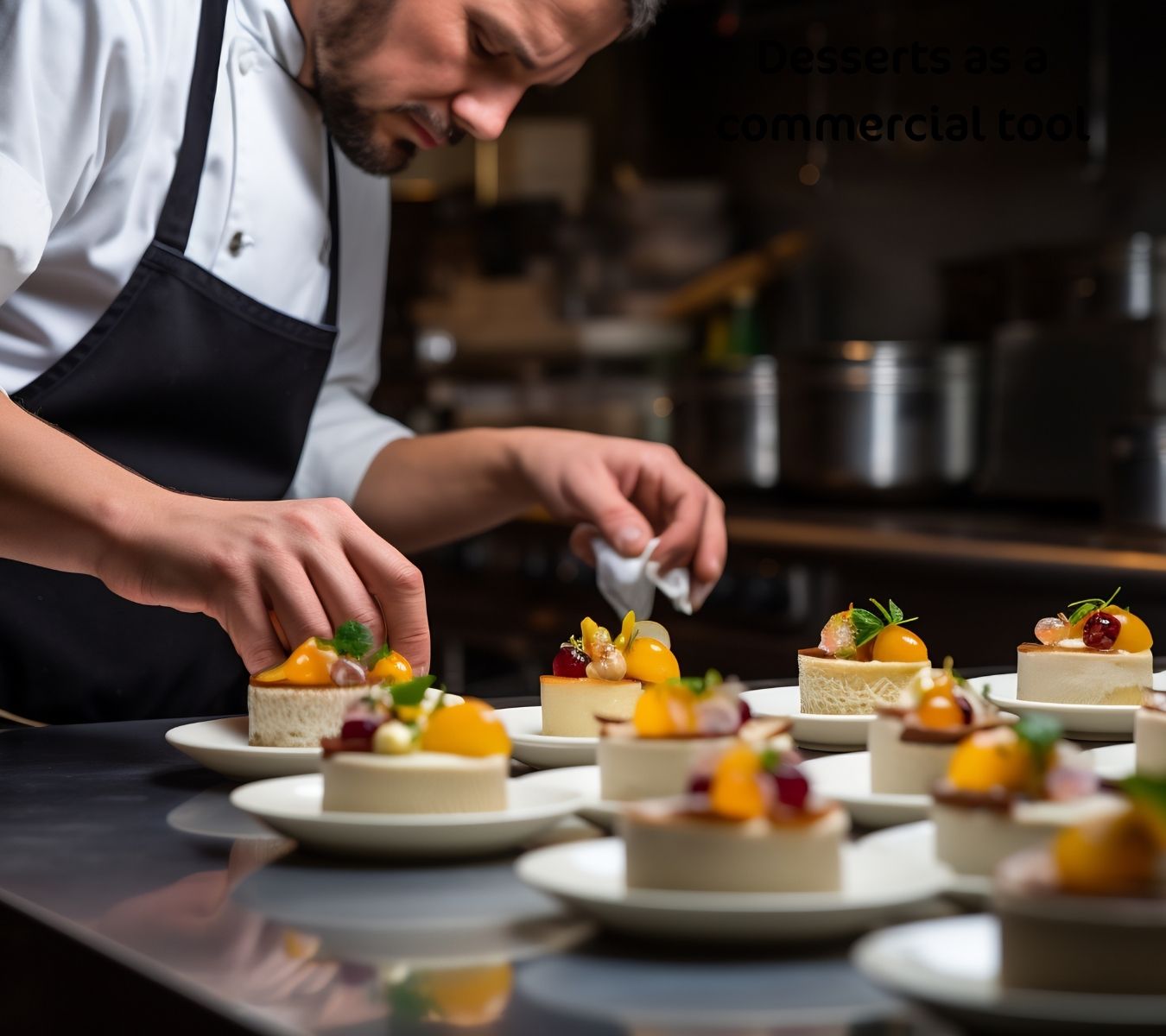
In commercial dining rooms, guests decide on desserts long before the dessert menu arrives. They notice what’s being served to other tables. They look for the portion size, colour, height and how “special” the dish looks.
That’s why crockery matters more than many people realise.
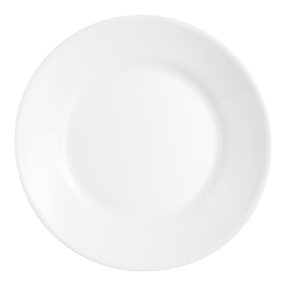
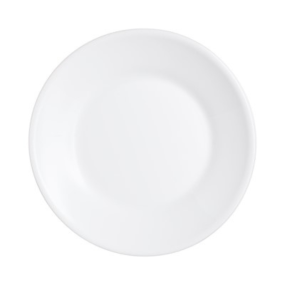
Serving desserts on dessert plates, rather than spare side plates or mismatched stock, immediately changes perception. Clean, neutral plates allow the dessert to stand out without distraction. Wider rims also give chefs space to plate sauces or garnishes neatly, which makes the dish feel intentional rather than rushed.
As a hospitality supplier, we see how often restaurants upgrade desserts simply by switching to dedicated restaurant dessert plates that can withstand service, stacking, and dishwashing without chipping or greying over time.
Weighted glassware for quality you can feel
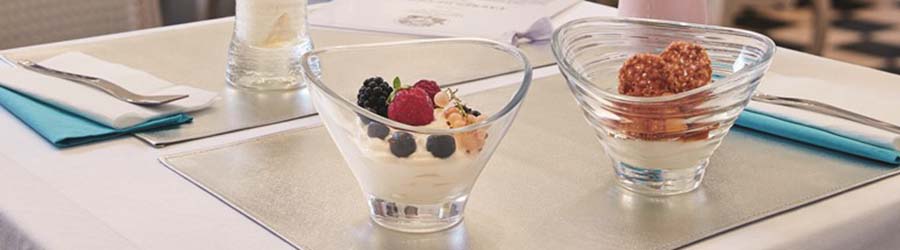
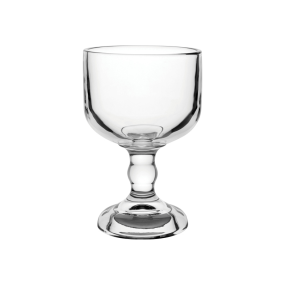
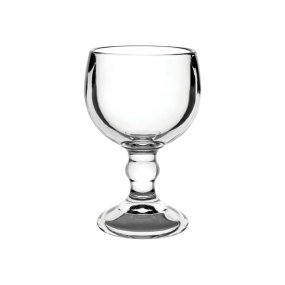
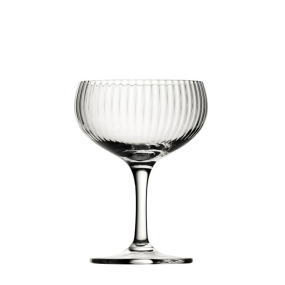
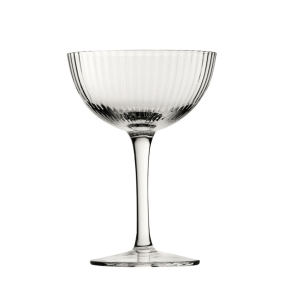
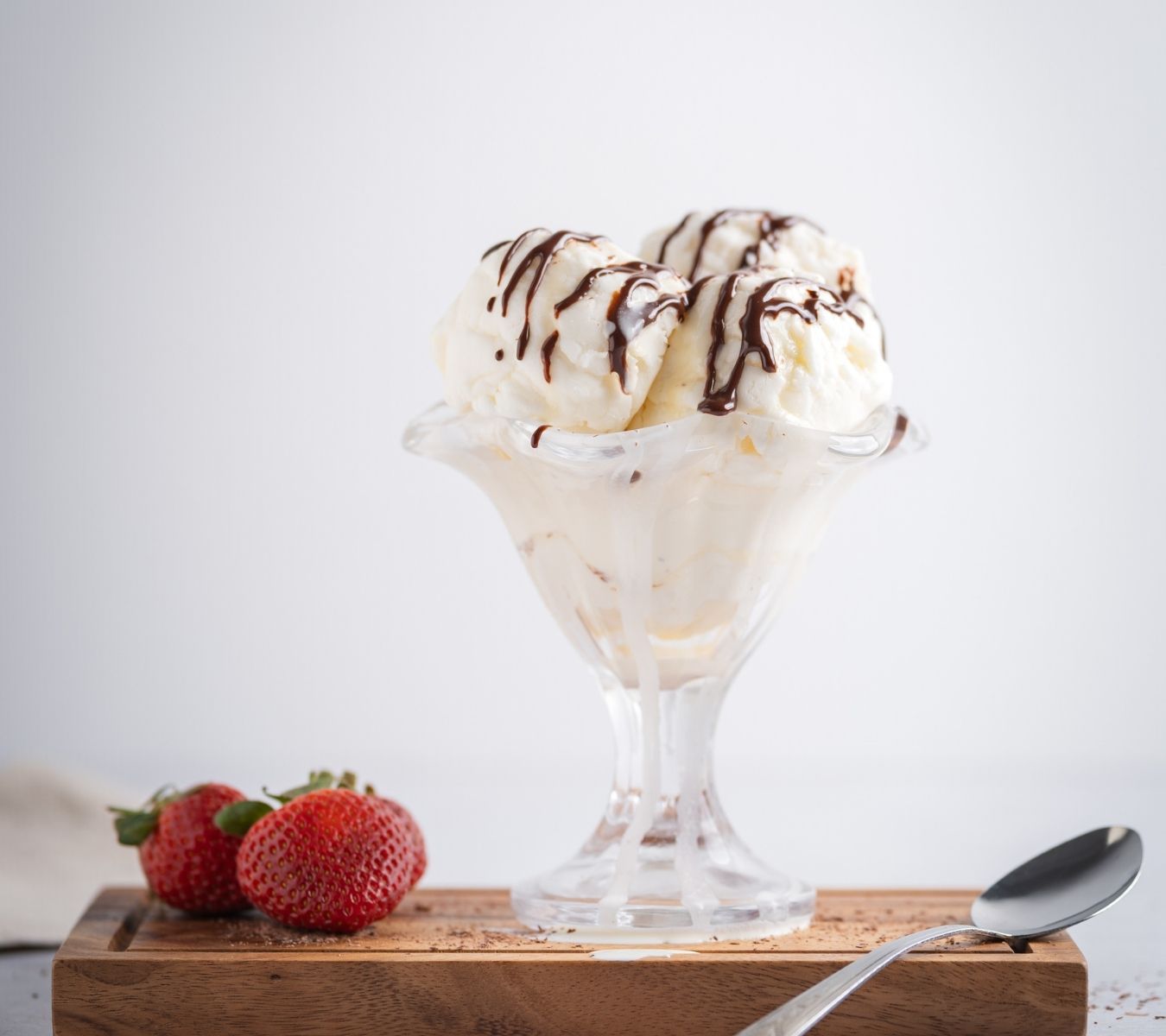
Many of the highest-margin desserts work best in glass. Layered desserts, chilled puddings, mousses, and ice creams all benefit from visibility. Glass showcases layers, textures, and portion size in a way plates can’t.
In service, dessert glasses, coupe glasses and sundae dishes do more than hold food. They:
- Standardise portions
- Speed up plating
- Improve consistency across shifts
Restaurants often underestimate how much time and cost is saved when every dessert looks the same, regardless of who plates it. Well-weighted dessert glassware also feels more substantial in the hand. This matters as guests associate weight with quality, even subconsciously.
Portion control without making desserts feel small
One of the biggest dessert challenges in restaurants is portion increases. Over time, scoops get bigger, slices get heavier, and margins shrink. The most reliable fix isn’t stricter training, it’s better tools.
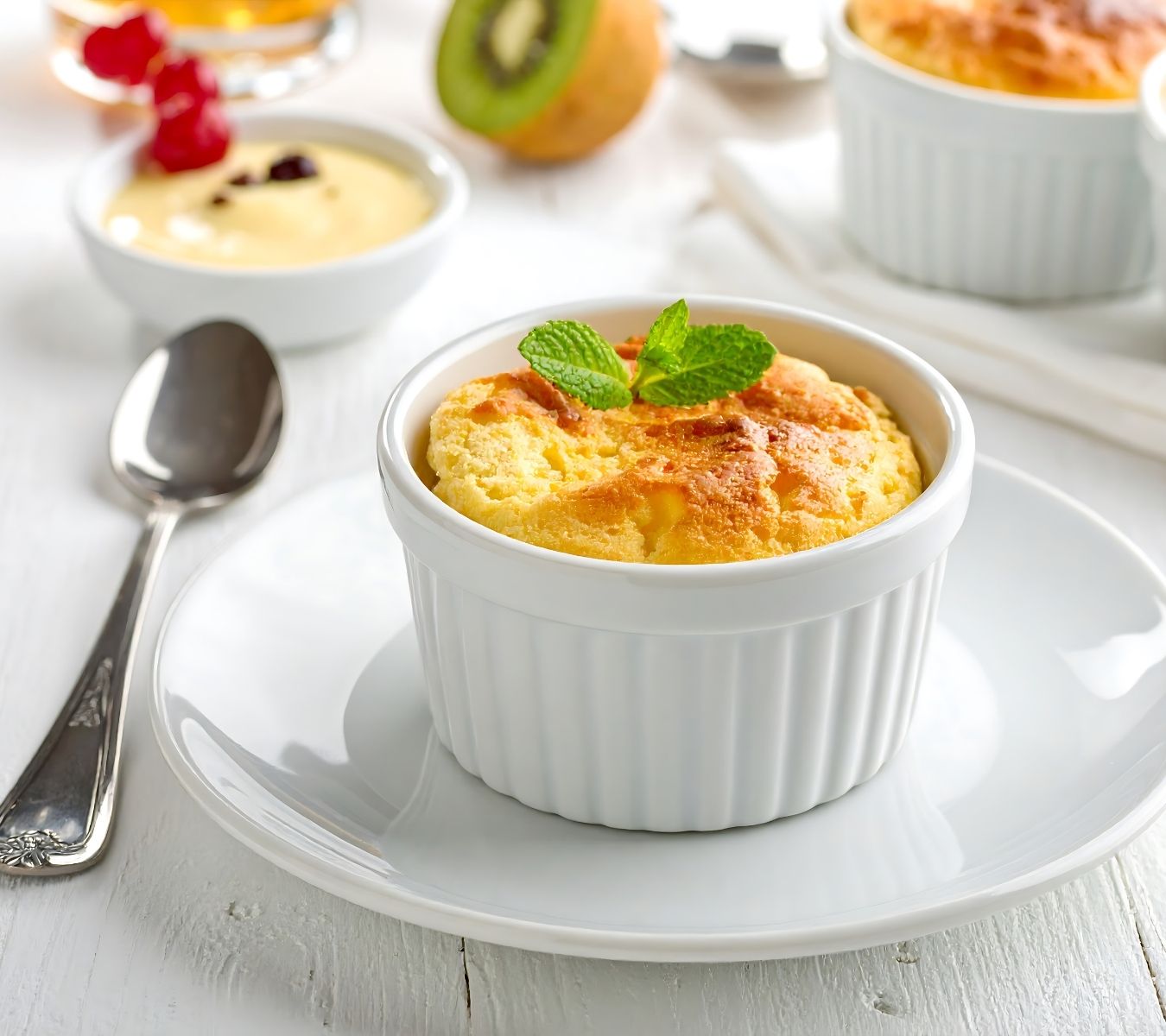
Using ramekins, small bowls, and portion-specific dishes helps build portion control into the process. A baked dessert served in a stoneware ramekin looks deliberate. A single scoop in a heavy bowl feels complete, not reduced.
In commercial kitchens, this approach simplifies prep as well. Portions can be batched, baked or chilled, knowing that every serving uses the same vessel.
From a cost perspective, this consistency protects margins without guests feeling shortchanged.
Sharing desserts changes the buying decision
Sharing desserts is one of the most effective ways to lift average spend. Instead of one guest committing to a full dessert, the decision becomes collective when customers look for desserts to share. The spend goes up, and the psychological barrier drops.
Popular sharing formats include:
- Mixed dessert boards
- Mini dessert selections
- Centre-of-table chocolate desserts
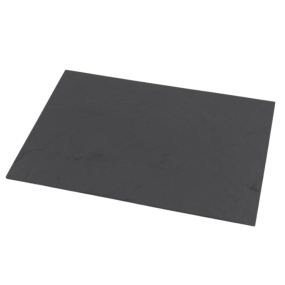
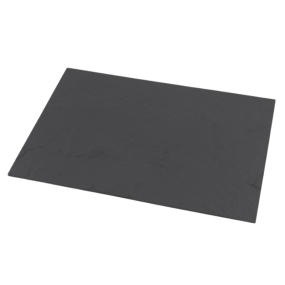
The key is presentation. Wooden boards and slate platters create theatre and signal that the dessert is meant to be shared. They also photograph well, which reinforces desirability across the room.
Restaurants that do this well don’t overload the board. They structure it with small bowls, ramekins, and mini dishes that keep elements separate and make service easier. The result is something that feels generous, indulgent and easy to order.
Dessert boards that actually work in service
Dessert boards fail when they’re designed for Instagram, not kitchens.
In practice, the strongest boards:
- Use repeatable components
- Balance baked, chilled and chocolate elements
- Plate quickly under pressure
Using robust boards paired with small serveware, such as mini casserole dishes, allows teams to build boards consistently without slowing service.
From a supplier's perspective, this is where durability matters. Boards need to withstand heat, moisture and repeated washing without warping or staining.
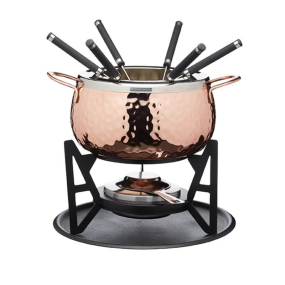
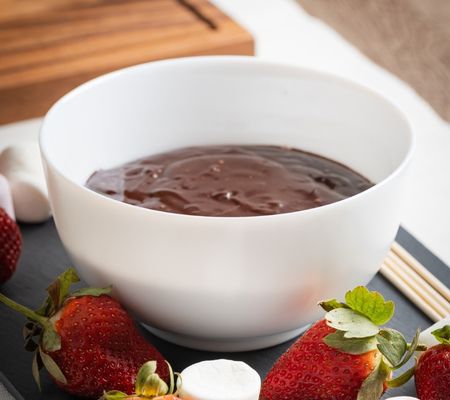
Sharing Chocolate Fondue
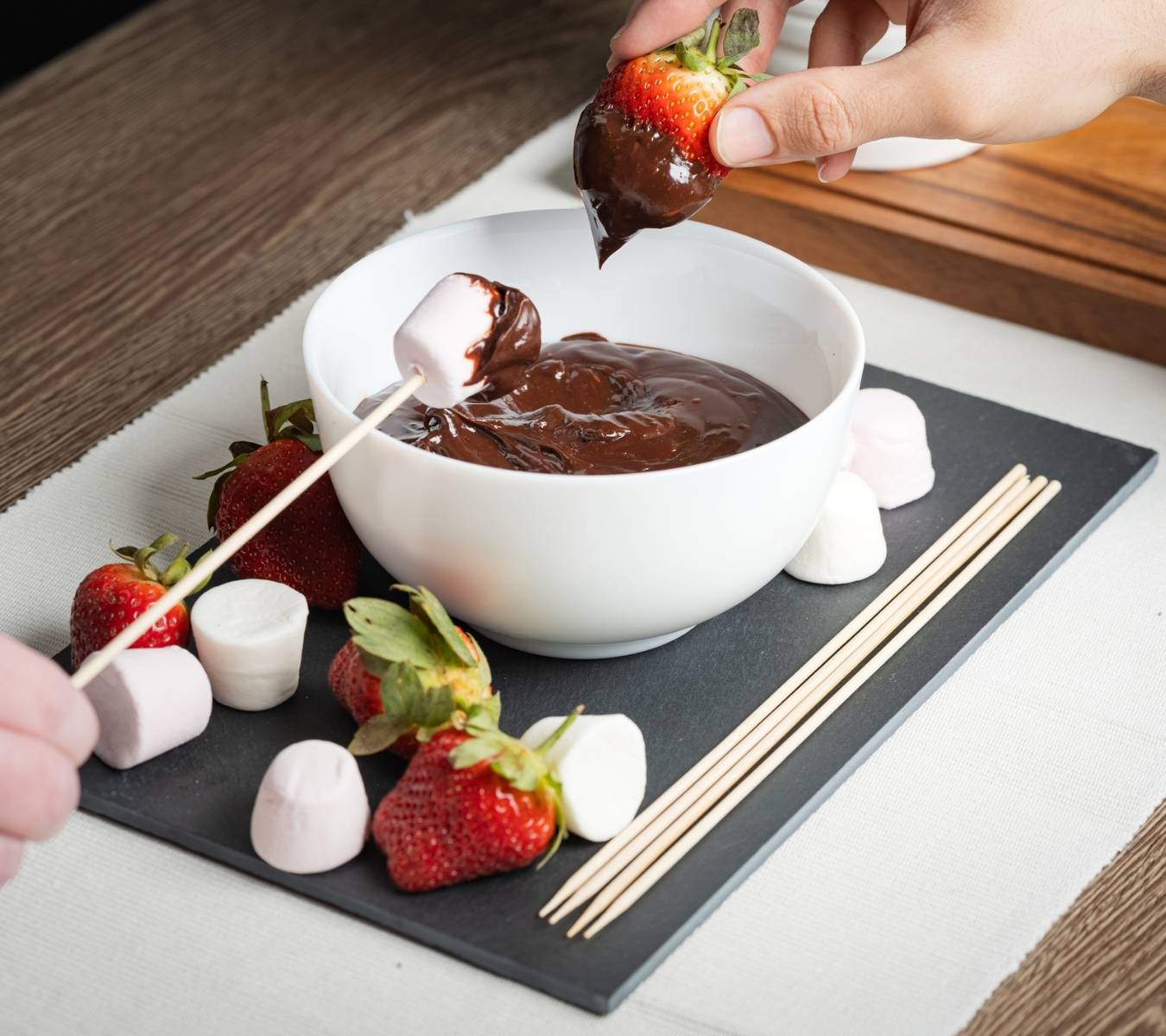
This format focuses on one high-impact centrepiece supported by repeatable sides. It feels generous without being chaotic, making it an easy upsell for guests who "don't have room" for a full dessert.
Ingredients
- 200g Dark chocolate (60–70% cocoa)
- 150ml Double cream
- 50ml Whole milk
- 1 tbsp Golden syrup (for that professional gloss)
- Pinch of sea salt
Method
- Heat: In a small saucepan over medium heat, combine the double cream, milk, and golden syrup. Bring it to a gentle simmer; do not let it reach a rolling boil.
- Melt: Remove the pan from the heat and add the chopped chocolate and salt. Let it sit for 2 minutes to soften.
- Emulsify: Gently whisk from the centre outward until the mixture is glossy and completely smooth.
- Serve: Pour the fondue into a warmed ceramic pot or a small fondue dish with a tealight underneath to keep it fluid.
A Practical Service Structure
To keep the dishes moving, serve the warm fondue on a wooden board with these three pre-prepped "mini sides":
- The Fresh: Seasonal fruits (strawberries and banana slices).
- The Bakery: Pieces of buttery Maderia cake and mini cookies
- The Snacks: Fluffy marshmallows, salty pretzels, and popcorn.
Vegan and gluten-free desserts that don’t feel like compromises
Dietary-inclusive desserts are no longer optional. Guests expect to see them, and when they don’t, dessert orders often stop altogether.
The mistake many restaurants make is treating vegan or gluten-free desserts as niche add-ons. In reality, they work best when they’re simply good desserts that happen to meet dietary needs.
High-performing options include:
- Dark chocolate-based desserts
- Coconut or oat-based set desserts
- Flourless or naturally gluten-free bakes
- Well-presented sorbets
Presentation matters even more here. Serving these desserts on the same plates, bowls, or glasses as the rest of the menu helps them feel less secondary.
Clear labelling on menus removes hesitation. When guests don’t have to ask for gluten-free or vegan desserts, they’re more likely to order.
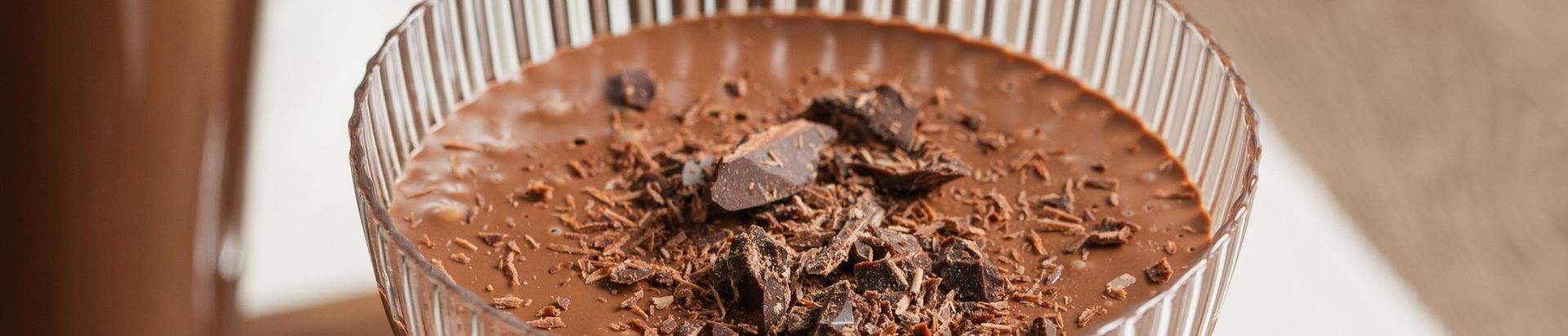
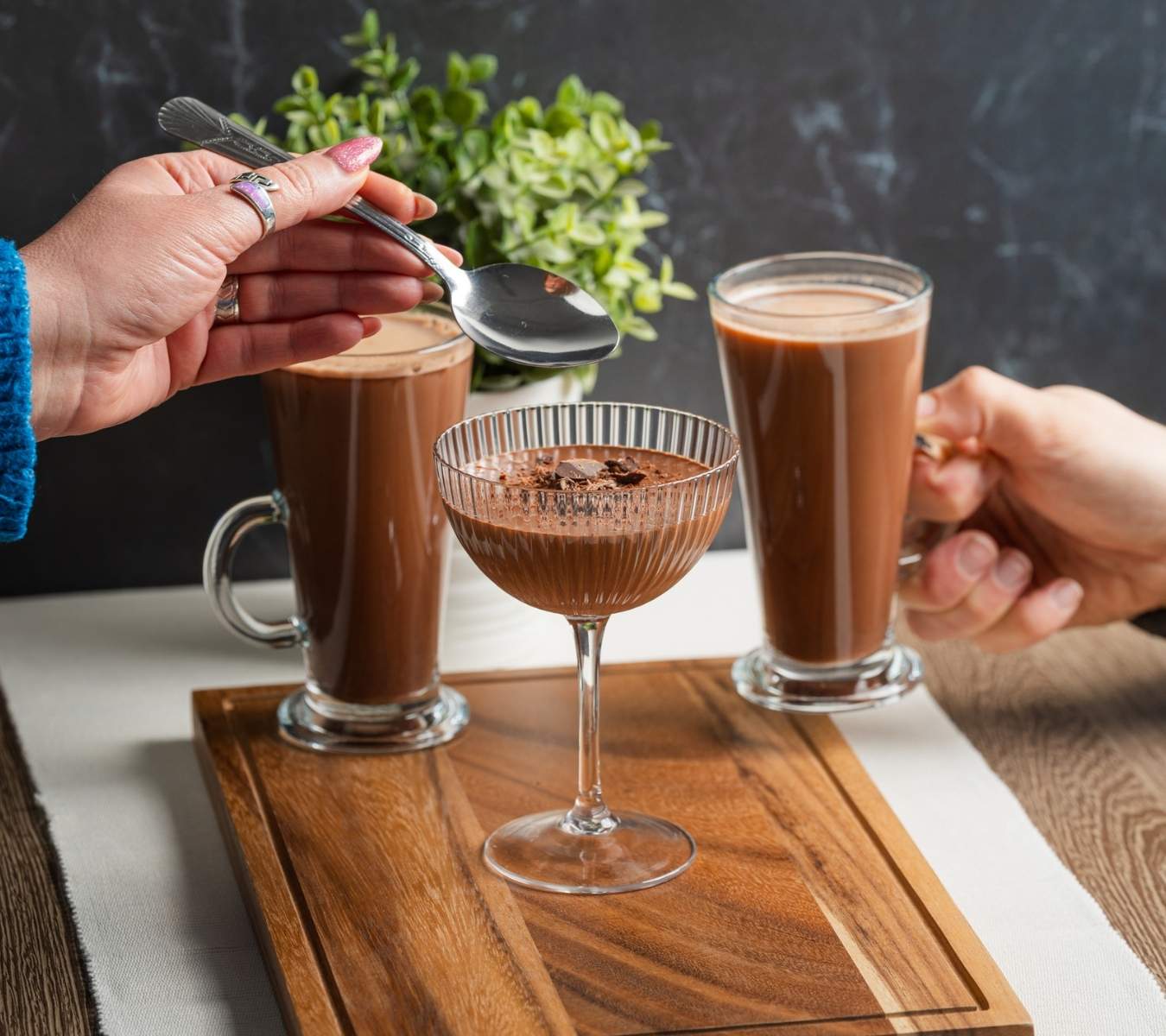
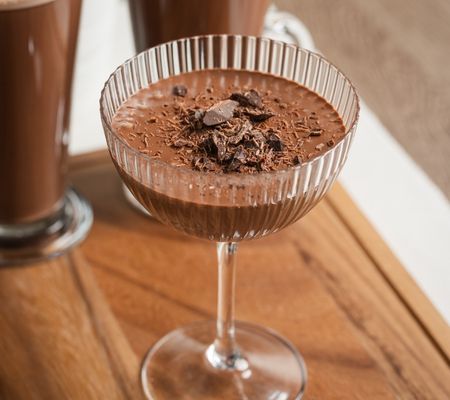
Dark Chocolate & Coconut Pot
This is the kind of dessert that works because it doesn’t announce itself as a compromise for vegan or gluten-free diets. It looks indulgent, plates cleanly, and can be prepped well ahead of service.
Ingredients
- 250g Dark Chocolate (70% cocoa, chopped)
- 400ml Full-fat Coconut Milk (one tin)
- 2 tbsp Maple syrup or caster sugar
- 1 tsp Vanilla extract
- Pinch of Sea Salt
Method
- Gently Heat: Combine coconut milk, sweetener, and salt in a saucepan over medium heat until it just begins to simmer.
- Emulsify: Remove from heat and pour over the chopped chocolate. Let sit for 2 minutes, then whisk until glossy and smooth. Stir in vanilla.
- Portion: Pour the mixture into small glass pots or ramekins.
- Set: Refrigerate for at least 4 hours (or overnight) until firm.
Why it Works for Service
- Consistency: Because it’s served in a glass, portion size stays controlled.
- Speed: It holds perfectly under refrigeration, making it ideal for busy evenings when the kitchen needs desserts that don’t slow the pass.
- Universal Appeal: Naturally gluten-free and plant-based, it removes the need for multiple "dietary" alternatives.
- Finishing Touch: Top with shaved chocolate, toasted coconut flakes, or a single seasonal berry just before it leaves the kitchen.
Visibility matters more than variety
Restaurants don’t need five dessert options per category. What they need is clarity. When dietary options are hidden in footnotes or explained verbally, they sell less. When they sit confidently within the dessert menu, they sell more.
Using consistent crockery across all desserts reinforces the idea that every option is a core part of the offer, not a fallback. This is something we see often when restaurants standardise their dessert serveware, presentation becomes cohesive, and staff confidence improves naturally.
Staff confidence is the real upsell
No matter how good a dessert looks, it won’t move if the staff don’t feel comfortable talking about it.
In service, the best-selling desserts tend to be:
- Easy to describe
- Easy to plate
- Visually distinctive
When teams know exactly what’s coming out and how it looks, recommendations feel natural rather than forced. Pre-shift tastings, clear visuals, and consistent plating all help with upselling desserts. So does reducing dessert choice to what the kitchen can execute confidently every night.
The final course shapes the memory
Guests may forget their starter. They rarely forget how the meal ended.
Desserts influence:
- Overall satisfaction
- Online reviews
- Whether guests stay for another drink
They also offer one of the simplest ways to increase average spend without discounting or adding pressure. With the right dessert crockery, glassware and serving pieces from Cooksmill, desserts stop being an afterthought and start doing what they should, quietly adding value at the end of the meal.
During those busy mid-February weeks, when dining feels more intentional, and guests are already in the mood to linger, a confident dessert offer (like the restaurant dessert ideas mentioned above) can significantly increase average spend in restaurants. Not through pressure or promotion, but by making the final decision easy.