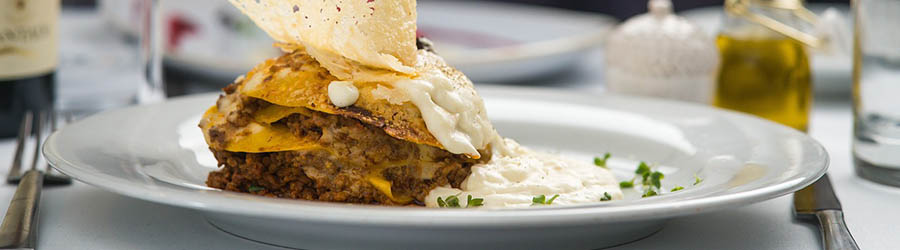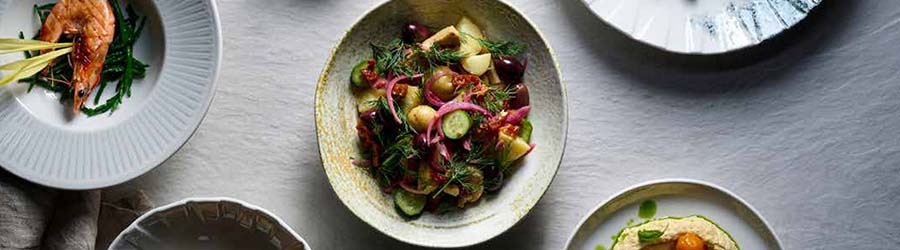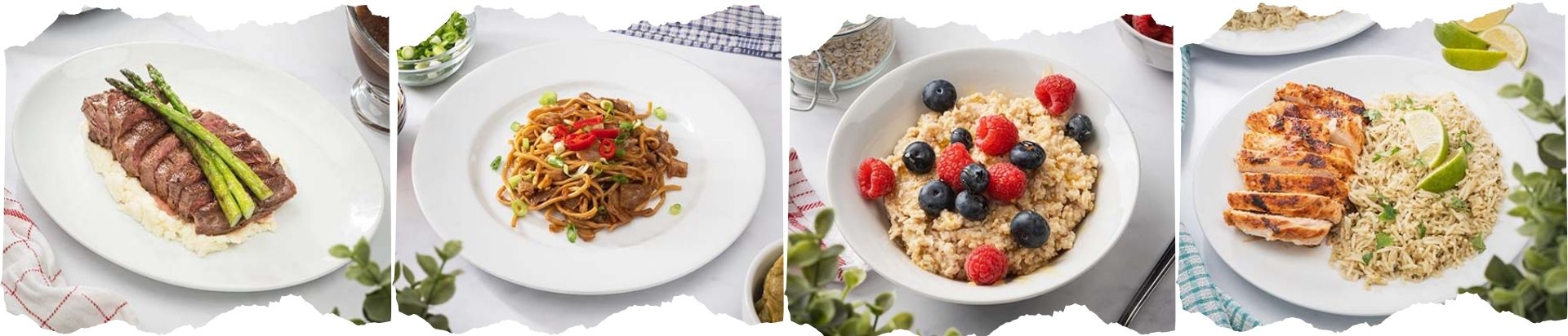
In the competitive culinary landscape, restaurant plating has become just as important as the taste of the food itself. The presentation of a dish is often the first point of interaction between the diner and their meal, setting the stage for the overall dining experience. As food trends evolve, so too do plating techniques, and chefs are now pushing boundaries to create edible works of art that appeal not only to the palate but also to the eyes.
This blog explores the latest trends in restaurant plating and offers insights into which types of food and colours work best to create visually stunning dishes.
The Importance of Plating in Modern Dining
Plating isn’t just about making food look good, it plays a critical role in how the diner experiences the dish. A well-presented plate can enhance the perceived taste of the food, while a poorly arranged one can detract from even the most delicious flavours. In the age of social media, where food photography is ubiquitous, restaurants are now pressured to serve Instagram-worthy, visually striking, and flavourful dishes.
Studies have shown that people associate certain colours and shapes with specific tastes and textures. For instance, red and orange are often linked to sweetness, while green is associated with health and freshness. Circular shapes may imply softness, while sharp, angular arrangements can suggest crispness or bitterness. These associations influence how people perceive their meals even before they take the first bite.
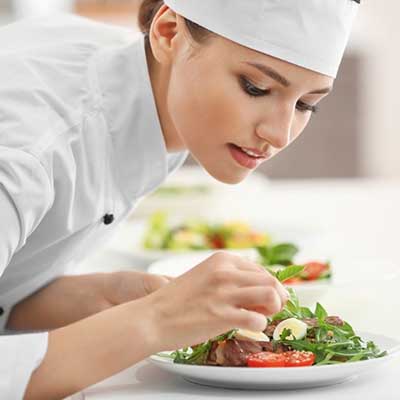
How to Plate Food: A Step-by-Step Guide
Mastering the art of plating requires a combination of creativity, balance, and attention to detail. Whether you’re a professional chef or a home cook looking to elevate your meals, following these essential plating techniques can help you create visually stunning dishes that enhance the dining experience.
Step 1 - Choose the Right Plate
The first step in plating is selecting the right plate or dish. The size, shape, and colour of the plate can all affect how the food is perceived. A few guidelines to consider:
- Size: Ensure the plate is large enough to hold the food without overcrowding but not so large that the dish looks sparse. The food should be the star, not lost on an overly large plate.
- Shape: Round plates are versatile and classic, but square or rectangular plates can add a modern twist to your presentation. Geometric shapes often work well for more structured, contemporary dishes.
- Colour: White plates are timeless and versatile, as they create a blank canvas that allows the colours of the food to pop. Darker plates, like black or slate, work well for heartier dishes, offering a sophisticated contrast that enhances rich, earthy tones.
Step 2 - Plan Your Layout: Rule of Thirds
When arranging food on the plate, many chefs use the “ rule of thirds” to create a balanced and visually appealing layout. This design principle, often used in photography, suggests dividing the plate into three sections both horizontally and vertically. Placing key elements at the intersections of these lines can create a sense of balance and movement.
Avoid centering everything on the plate, off-centred arrangements often feel more dynamic and interesting. For example, if you’re serving a protein, starch, and vegetable, consider placing the protein to the left or right, with the starch and vegetables balancing it out in the remaining space.
Step 3 - Create Height and Layers
Adding height and layers to your plating can create a sense of complexity and drama. Stacking or layering ingredients adds depth and dimension, making the dish more visually engaging. Use garnishes like crispy herbs or thin slices of vegetables to create height or stack proteins on top of purees or grains.
For example, a perfectly seared steak can be elevated by placing it on top of a bed of mashed potatoes, with a crisp garnish or sauce drizzled from above, drawing the eye upwards. This technique is especially effective for dishes that might otherwise look flat or one-dimensional.
Step 4 - Play with Textures
Incorporating a variety of textures not only enhances the flavour of the dish but also adds visual interest. Combining crispy, smooth, creamy, and crunchy elements creates a contrast that is both appealing to the eyes and the palate.
For example, a dish might include a soft puree, a seared protein with a crisp exterior, and a crunchy garnish. The contrast between these textures will keep the diner engaged and excited with every bite.
Step 5 - Garnish Thoughtfully
Garnishes should always have a purpose on the plate, whether to add flavour, texture or a pop of colour. Avoid using garnishes that don’t complement the flavours of the dish. Edible flowers, microgreens, fresh herbs, and citrus zest are all popular options that can elevate the look of a dish without overpowering it.
Place garnishes with care and position them in areas that will enhance the composition of the plate, not detract from it. For example, a small sprig of microgreens on top of a seared fish fillet can add height and colour, while a few edible petals scattered across the plate can provide a delicate visual accent.
Step 6 - Balance Colours
When plating, consider the colours of the ingredients and how they interact with one another. A dish with too much of the same colour can feel dull, while a variety of contrasting colours can make the plate more vibrant and exciting. Strive for balance by mixing earthy tones with bright, vibrant hues to create a dynamic visual composition.
For example, a plate featuring roasted carrots (orange), steamed asparagus (green), and a golden-seared chicken breast offers a well-balanced mix of warm and cool colours. Adding a bright red sauce or purple beet puree could further enhance the visual appeal by introducing bold contrasts.
Key Plating Trends
When plating up your culinary creations, it's important to know the trends of the industry to fully understand what your customers are expecting to see when dining at your restaurant. Here are some of the most popular trends when it comes to plating and food presentation:
Minimalism and Negative Space
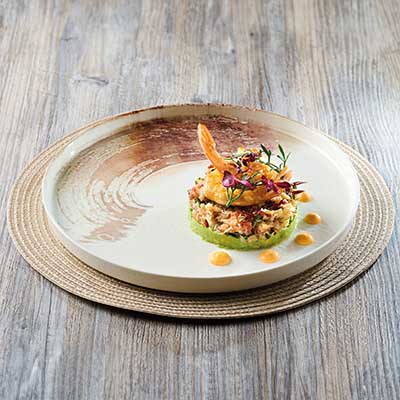
Less is often more when it comes to plating in 2024. Minimalistic plating, which emphasises simplicity and balance, allows the food itself to take centre stage. Chefs strategically place each component of a dish, leaving plenty of negative space on the large plate to draw attention to the ingredients. This style encourages a sense of elegance and sophistication, as well as making the dish appear lighter and more refined.
Cooksmill’s wide range of Academy Fusion plates are the perfect canvas for negative spacing. Available in vibrant designs with a beautiful high-gloss finish, the pieces in our collection are the ideal backdrop for your dishes.
The Use of Geometric Shapes
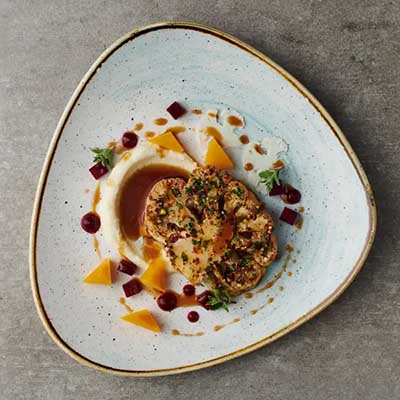
Another contemporary trend is the use of geometric shapes to create visual interest on the plate. Chefs are experimenting with circles, lines, and abstract forms to organise food in ways that feel modern and artful. From stacking ingredients in round moulds to arranging them in perfect squares or triangles, geometric plating adds a sense of order and precision that can elevate any dish.
For instance, a dessert might be plated with circular layers of mousse, cake, and fruit arranged concentrically, creating a stunning visual effect that mirrors the precision and care taken in its preparation.
Another way to incorporate geometrical shapes is via the shape of the plate. The Churchill Stonecast Accents plates and bowls offer delicate geometric lines that provide a striking visual contrast that complements the food's flavours, turning each dish into an unforgettable culinary experience.
Asymmetry and Organic Arrangements
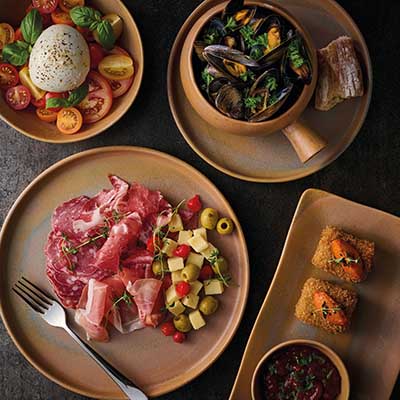
While symmetry has long been a go-to method for creating aesthetically pleasing plates, many chefs are now embracing asymmetry and more organic, free-flowing arrangements. This approach aims to create a sense of movement and spontaneity on the plate, making the dish feel more natural and less contrived.
Asymmetry works particularly well with rustic or farm-to-table cuisine, where ingredients are often sourced from local producers and reflect the natural, imperfect beauty of the earth. For instance, a salad made from heirloom tomatoes, burrata, and microgreens might be arranged in a loose, seemingly random fashion that still feels intentional and artful.
Rustico Stoneware Crockery goes perfectly with this type of plating method. These tableware pieces add a rustic charm to your dishes and work well with asymmetrical arrangements. Each plate evokes the warmth and character of traditional pottery. The natural variations in colour and texture add a unique and organic touch to your dishes.
Bold Colours and Contrasting Textures
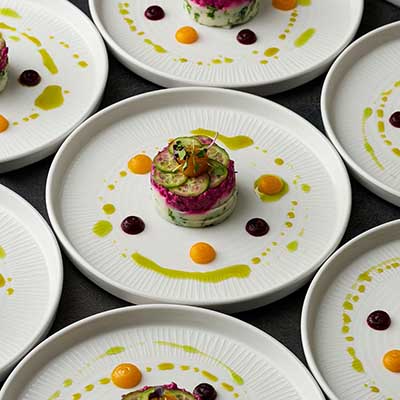
Colour plays a critical role in the visual appeal of a dish, and the use of bold, contrasting hues is a trend that continues to dominate the plating scene. Chefs are increasingly using vibrant sauces, edible flowers, and colourful vegetables to add pops of colour to their dishes. Bright purees, like beetroot or carrot, can provide a striking contrast to proteins such as seared fish or grilled meats.
Additionally, combining different textures such as crispy, smooth, and creamy elements can further enhance the visual and sensory experience. A crunchy tuile or crisp garnish placed atop a silky smooth puree not only provides a textural contrast but also creates visual depth, making the dish more dynamic.
A white backdrop is usually best for colourful foods as it makes the dish pop and attracts more attention. Our wide range of Churchill Bamboo White is a great option for colourful dishes. This range is white in colour but also has a bamboo textured rim that adds character to the dish.
Best Practices for Plating Based on Food and Colour
Light-Coloured Plates for Vibrant Dishes
White or light-coloured plates remain the preferred choice for showcasing vibrant ingredients. The neutral background allows colourful foods to stand out, creating a clean, modern look that emphasises freshness and quality. For instance, a salad of mixed greens, cherry tomatoes, and radishes will appear brighter and more appealing on a white plate than on a darker one.
Dark Plates for Rustic or Hearty Dishes
For more robust, earthy dishes such as steak, roasted vegetables, or braised meats, dark plates like slate or black ceramics can provide a dramatic contrast that enhances the richness of the ingredients. These plates add a sense of depth and sophistication, making the dish feel more substantial and satisfying.

Conclusion
The art of plating is a constantly evolving field, where chefs draw inspiration from modern art, nature, and even architecture to create visually stunning dishes. By mastering the latest trends—whether through minimalism, geometric shapes, or nature-inspired designs—chefs can transform the dining experience and make their food unforgettable. Ultimately, plating is about creating harmony between appearance and taste, ensuring that the presentation enhances the overall enjoyment of the meal.
As you explore the world of restaurant plating, remember that beauty on the plate is not just an artistic endeavour but also a way to elevate the flavours, textures, and experience of every dish.