There's something satisfying about a perfectly baked baguette. That crack when you break the crust, the soft and chewy interior, the faintly yeasty aroma that fills the entire kitchen. On the 21st of March, National French Bread Day offers the perfect excuse to celebrate with a delicious baguette.
Whether you're a home baker looking to try something new, a cafe owner wanting to add freshly baked bread to your menu, or a professional baker seeking to refine your technique, this guide covers everything from the history of the baguette to practical baking advice and answers to the most commonly asked bread-baking questions.
A Brief History of the Baguette
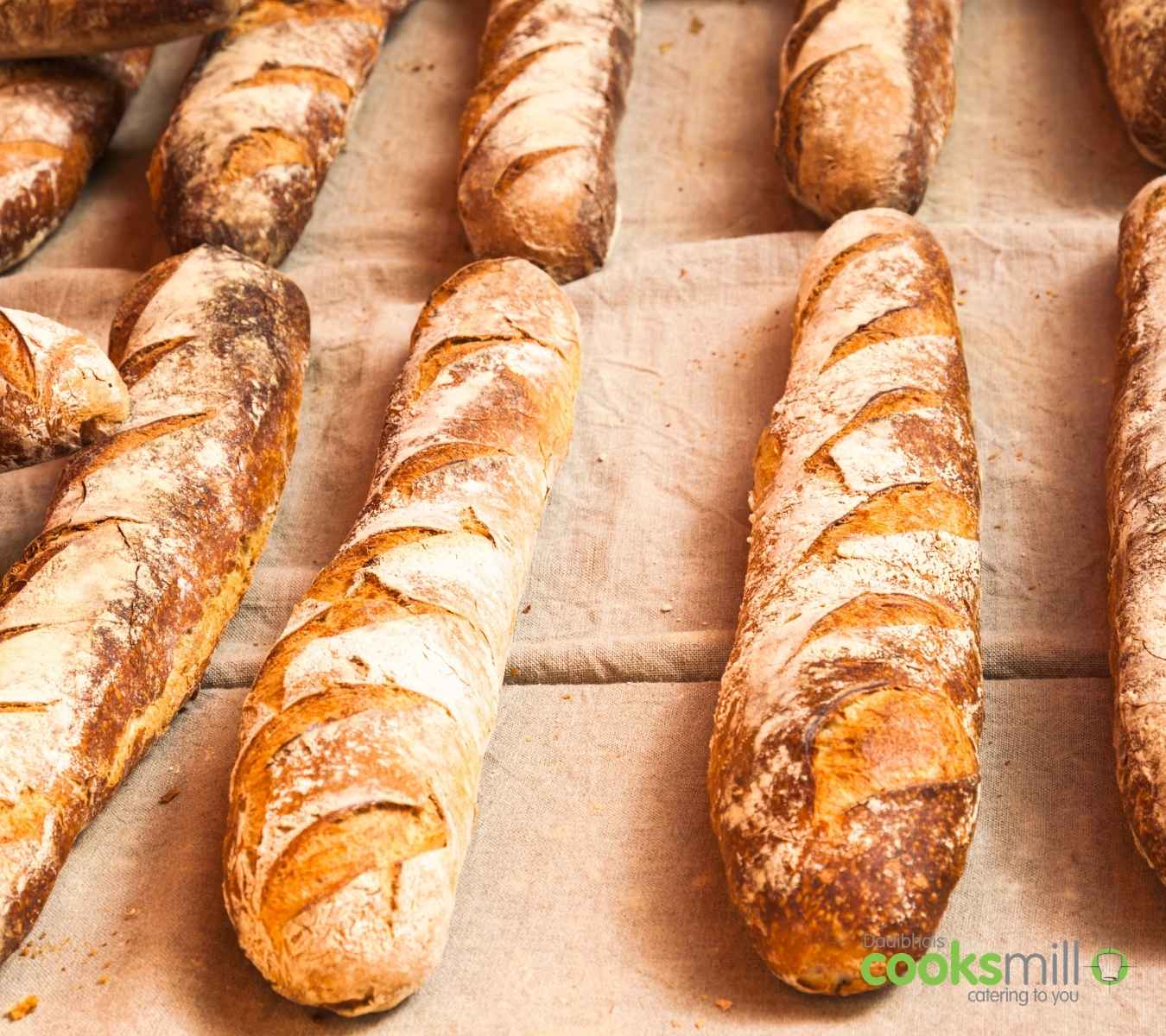
The word baguette simply means "wand" or "stick" in French, referring to the bread's elongated shape. While bread has been central to French culture for centuries, the baguette likely emerged in the early 20th century. One popular theory credits a 1920 French labour law that prohibited bakers from starting work before 4 am. This made the long, thin loaf a practical solution, as it could be shaped and baked quickly in the early morning rush.
In 2022, the French baguette was officially added to UNESCO's Intangible Cultural Heritage list, recognising it as a living cultural tradition worth preserving for future generations.

What Makes French Bread Different?
French bread is defined by its simplicity. A traditional baguette contains just four ingredients: flour, water, salt, and yeast. It has no fat, no sugar, and no preservatives. The magic lies entirely in the technique of how the dough is developed, shaped, proved, and baked.
The key characteristics of authentic French bread are:
- A deeply golden, crackly crust: achieved through steam in the oven during the early stages of baking
- An open, irregular crumb: those big, uneven air pockets inside are a sign of good fermentation
- A chewy, flavourful bite: the result of a slow, cold proof that develops complex taste
For bakeries and food businesses, these qualities are what customers recognise and return for. For home bakers, achieving them is one of the most rewarding things you can do in a kitchen. Getting these results consistently requires the right knowledge, the right technique, and the right equipment.
How to Make French Bread
What You'll Need
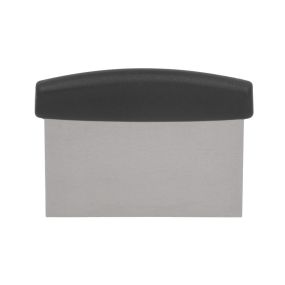
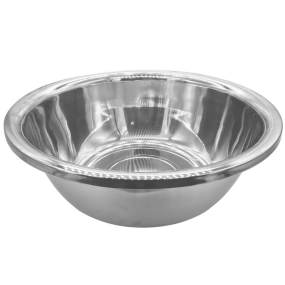
Before you begin, having the right tools makes a noticeable difference, whether you're baking two baguettes at home or a full batch for a busy breakfast service. A large mixing bowl, a dough scraper, a proofing basket (banneton), and a baking stone or heavy baking tray are all worth having to hand.
Basic French Bread Recipe
Makes: 2 baguettes Time: 3–4 hours (including proving)
Ingredients:
- 500g strong white bread flour
- 7g fast-action dried yeast
- 10g fine salt
- 320ml lukewarm water
Method:
- Mix the flour, yeast, and salt together in a large bowl, keeping the yeast and salt on opposite sides initially.
- Gradually add the water and bring together into a rough dough.
- Knead for 10 minutes by hand on a lightly floured surface, or use a stand mixer with a dough hook for 6–8 minutes until smooth and elastic.
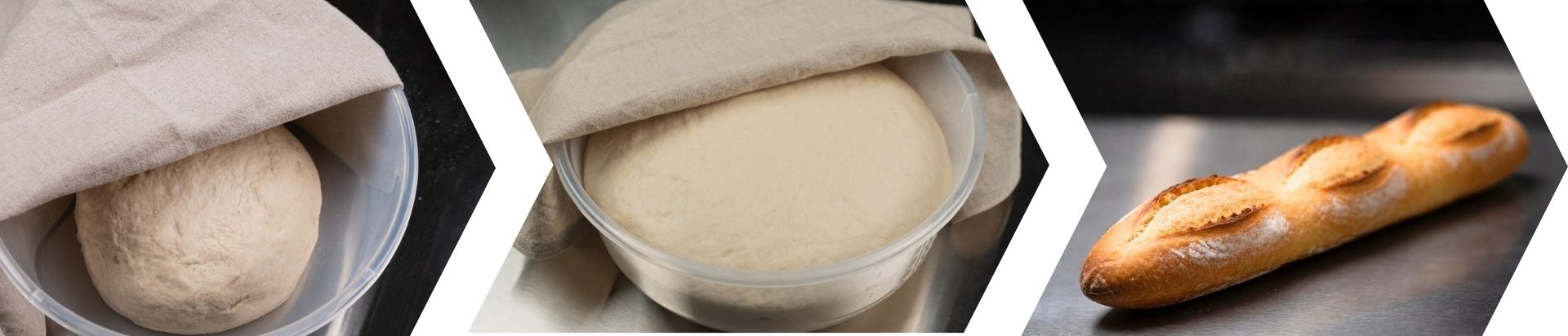
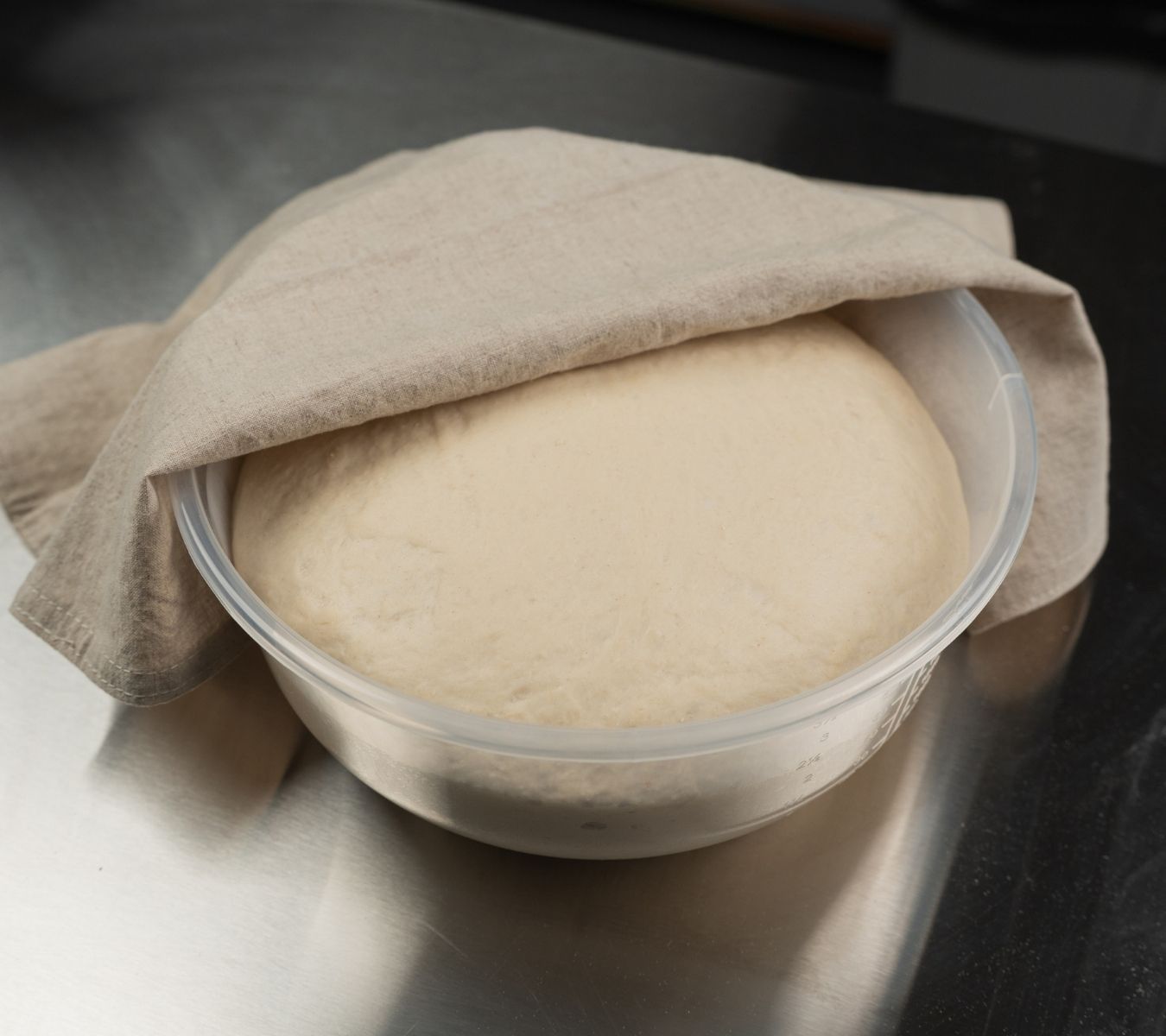
- Place in a lightly oiled bowl, cover, and leave to prove for 1–1.5 hours until doubled in size.
- Divide, shape into two long baguettes, and place on a floured surface or in a baguette tray/ proofing basket.
- Cover and prove again for 45 minutes.
- Score the tops diagonally with a sharp blade, then bake at 230°C with a small tray of boiling water at the bottom of the oven to create steam.
- Bake for 20–25 minutes until deeply golden.
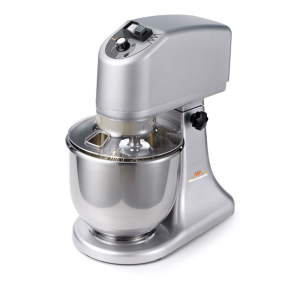
A stand mixer dramatically reduces the effort involved in bread making and is one of the most worthwhile investments any serious baker can make, whether you're equipping a home kitchen or a commercial operation.
Other Classic French Breads Worth Making
The baguette may be France's most famous export, but French baking is a rich and varied tradition. National French Bread Day is the perfect occasion to explore some of the other iconic breads and baked goods that have come out of French bakeries.
Brioche
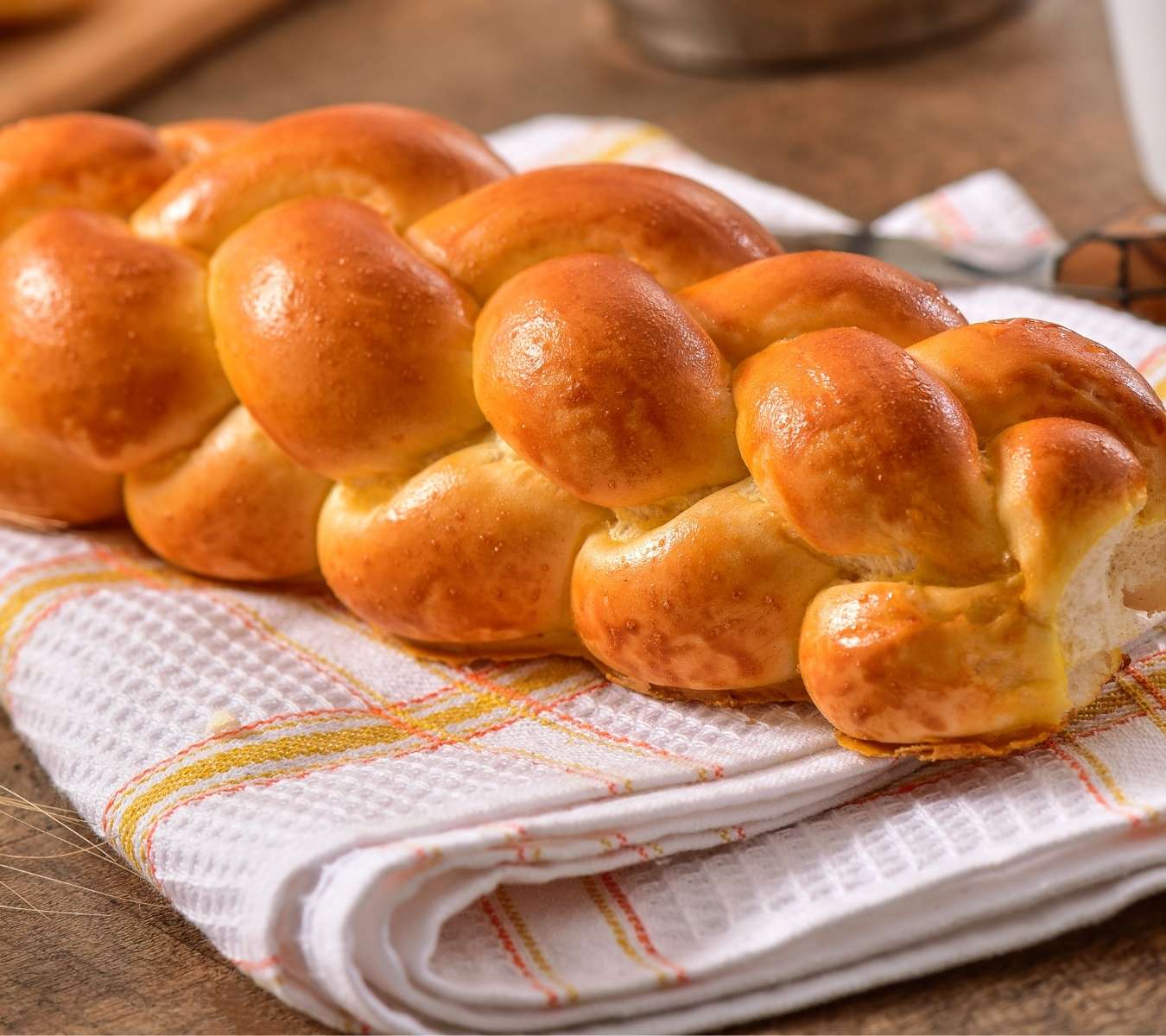
Rich, golden, and pillowy soft, brioche sits somewhere between bread and cake. It's made with a generous amount of butter and eggs, which gives it a soft, almost feathery crumb and a beautiful golden crust. Brioche is the base of a proper French toast, it works beautifully as a burger bun, it makes exceptional bread and butter pudding, and it's delicious simply toasted with good jam. The slow incorporation of cold butter is key to the texture. It takes patience, but the results are worth every minute.
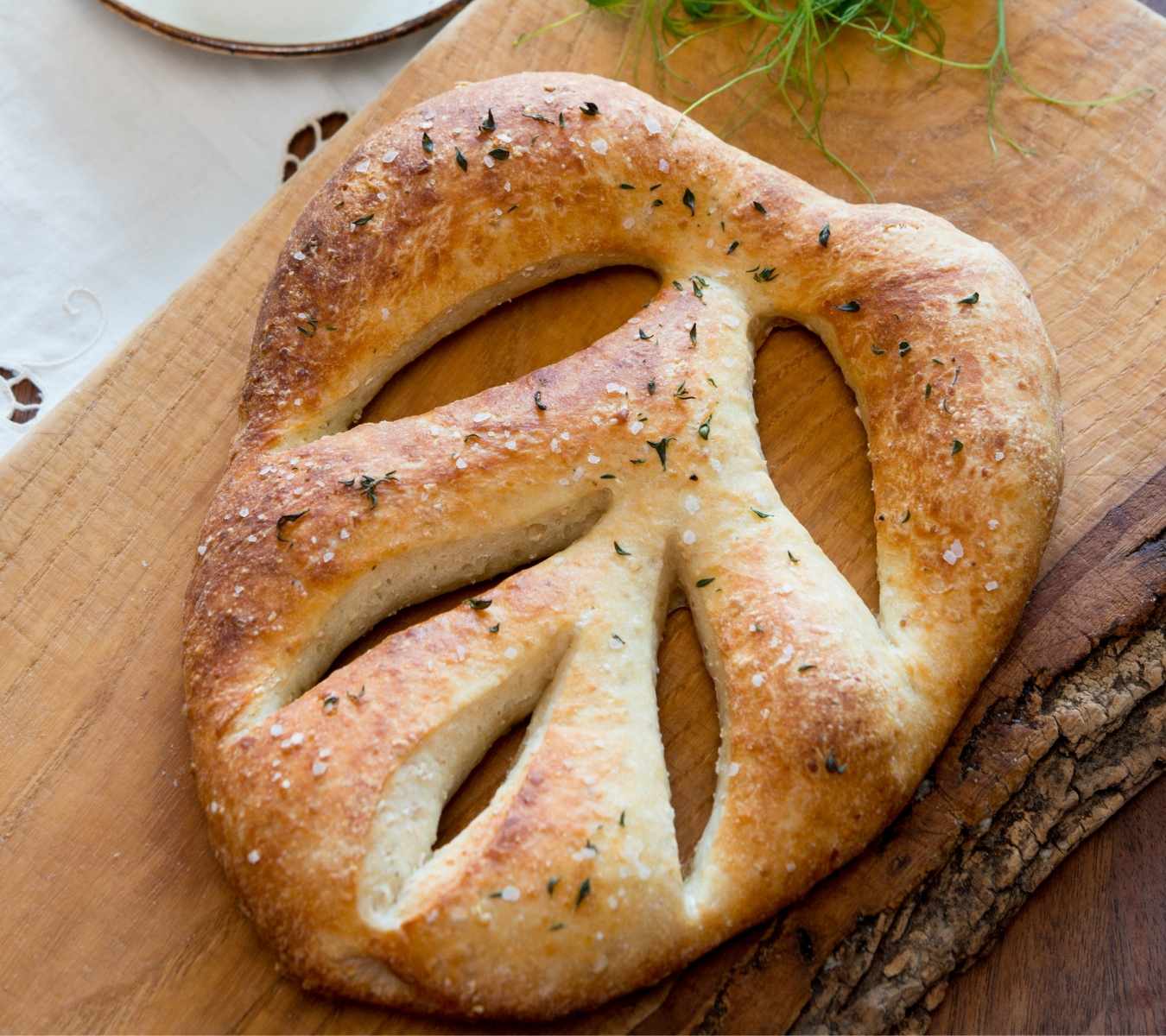
Fougasse
Fougasse is a Provencal flatbread shaped to resemble a leaf or an ear of wheat, with distinctive cuts made through the dough before baking. It's often infused with olives, herbs, sun-dried tomatoes, or cheese, and has a wonderfully open, airy crumb with a crisp crust. For cafes and restaurants, fougasse makes a striking addition to a bread basket or charcuterie board, and it's relatively quick to prepare compared to a long-prove baguette.
Croissants
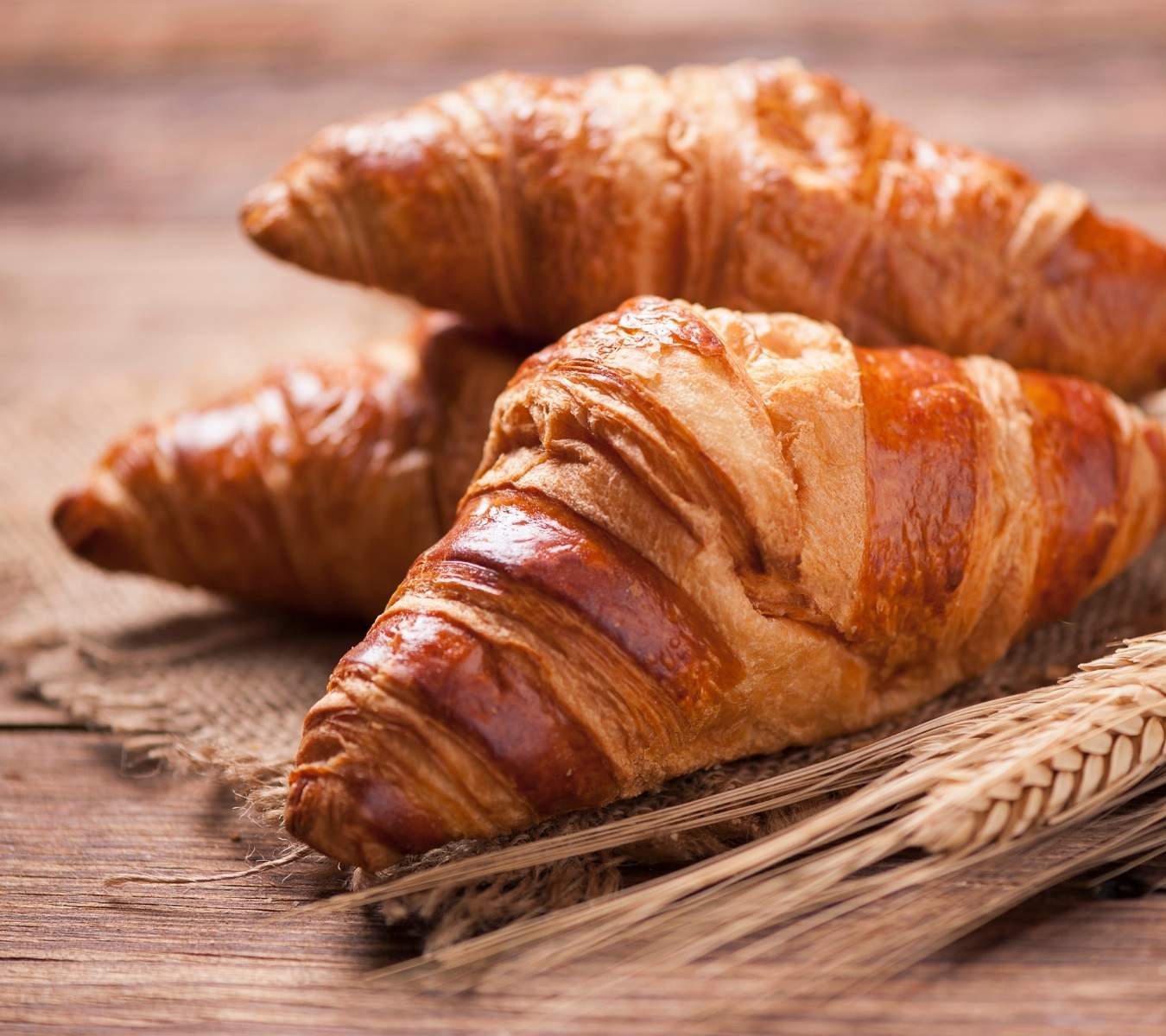
No French baking guide would be complete without croissants, one of the most technically demanding and deeply satisfying things you can make from scratch. Croissants are a laminated dough, meaning layers of butter are folded repeatedly into the dough to create hundreds of thin, alternating layers that puff and crisp in the oven. The process takes time and practice, but the results are incomparable to anything from a packet.
FAQs: Your Burning Questions About Bread Baking Answered
From flour types to air fryers, here are the questions bakers, at every level, ask most.
How Do You Make French Bread?
The two biggest game-changers for homemade French bread are time and steam.
Don't rush the proofing stage. A longer, slower proof (even overnight in the fridge) develops far more flavour than a quick rise at room temperature. This is standard practice in professional bakeries. The cold slows down yeast activity while allowing enzymatic activity to continue, building complexity in the dough.
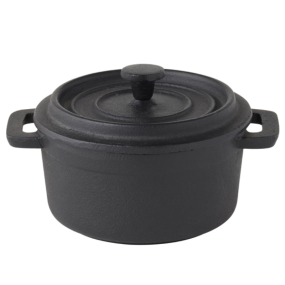
In a professional bakery oven, steam is injected at the start of baking. This keeps the surface of the dough moist long enough for the bread to fully expand before the crust sets. At home, placing a roasting tin of boiling water at the bottom of the oven achieves a similar effect. Many bakers bake French-style bread inside a cast-iron casserole dish or Dutch oven with the lid on for the first 15 minutes, then uncovered to finish. The trapped steam creates the perfect crust.
Can You Make Bread in an Air Fryer?
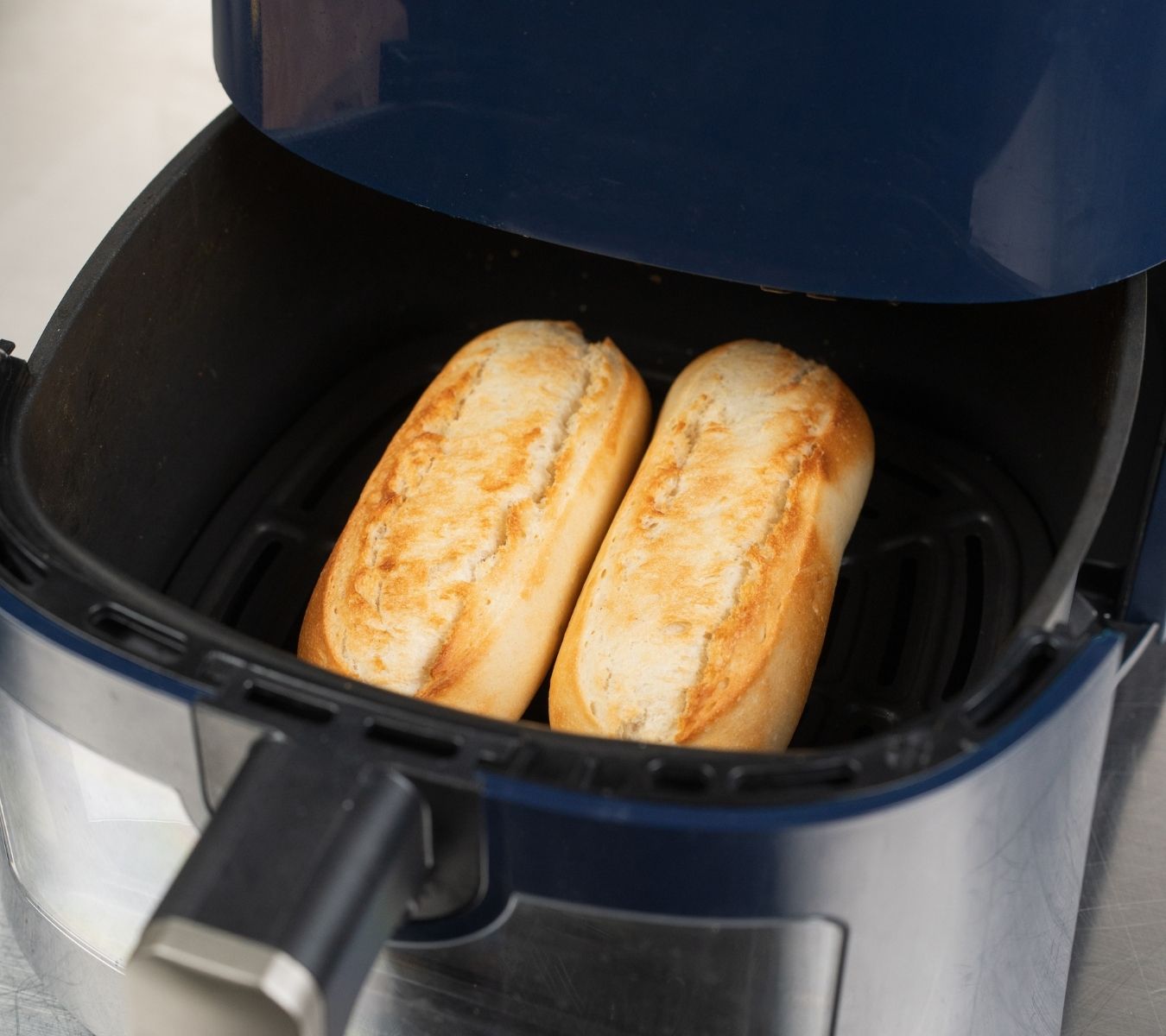
This is one of the most-searched bread questions, and the answer is yes, with some limitations.
Air fryers circulate hot air rapidly around food, which can produce a surprisingly good crust on smaller bread rolls and simple loaves. The limitations are size, as most air fryer baskets are too small for a full baguette. Steam is also another limitation, as air fryers don't create the moist baking environment that French bread needs to develop its characteristic crust.
For small bread rolls, mini loaves, flatbreads, and even brioche buns, an air fryer does a great job. Bake at around 180°C for 12–15 minutes, checking regularly. For an authentic French baguette, a conventional oven will always deliver better results, but for everyday bread baking, the air fryer is far more capable than most people expect.
How Do You Make Bread Without Yeast?
Yeast gives bread its rise and much of its flavour, but it's not always available, and some people prefer to avoid it altogether. Fortunately, yeast-free bread is very achievable, and some of the results are outstanding.
Your main options are:
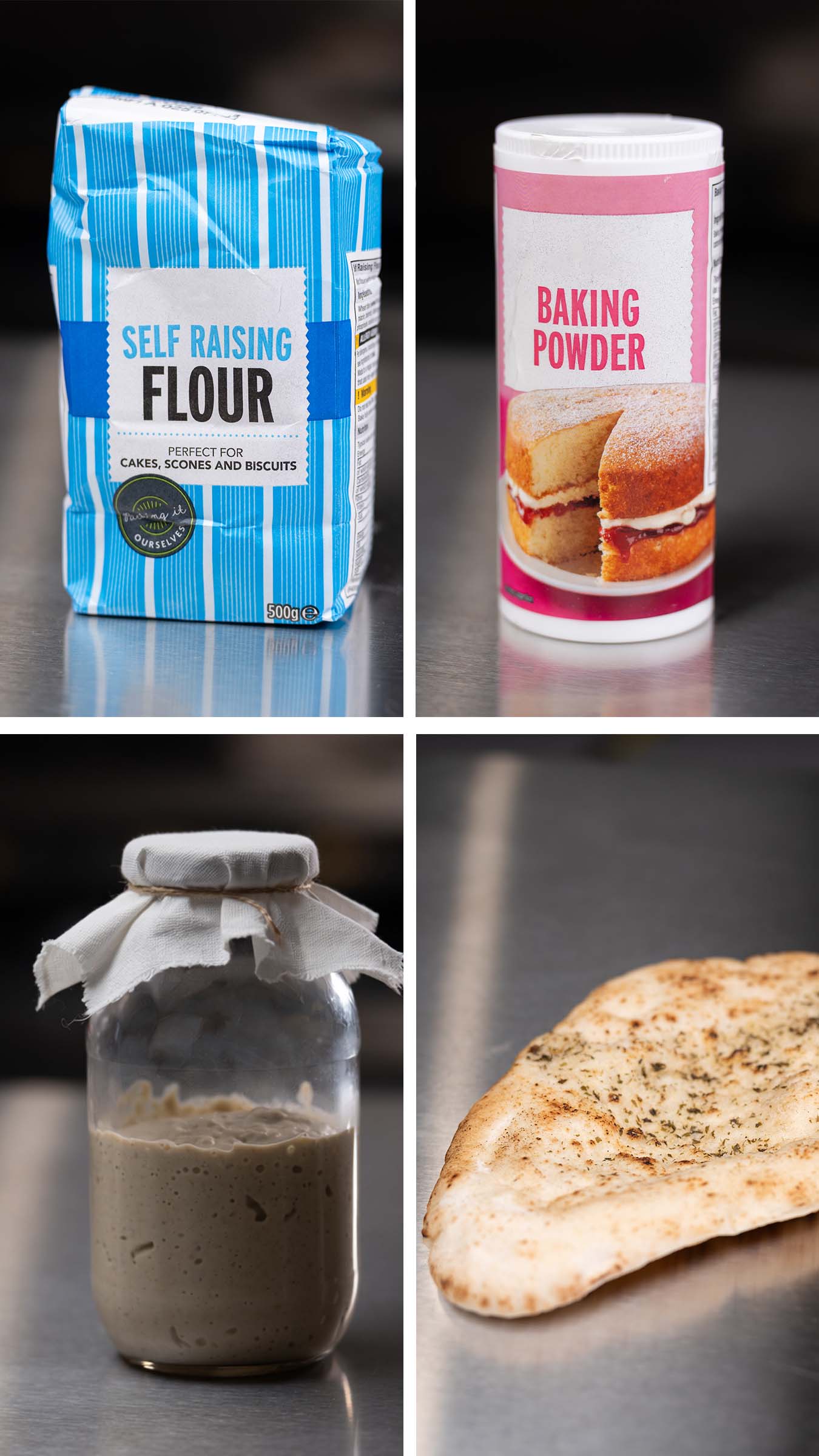
- Baking powder or bicarbonate of soda: The backbone of soda bread and quick breads, these chemical leaveners react with liquid to produce carbon dioxide bubbles that create lift.
- Self-raising flour: It already contains a raising agent, making it a quick shortcut for simple loaves and scones.
- Sourdough starter: This uses wild, naturally occurring yeast captured from the air and flour itself. It takes time to make (around 5–7 days of feeding), but once active, it replaces commercial yeast entirely and produces exceptional flavour.
- No-rise flatbreads: Pitta, naan, and simple flour-and-water flatbreads require no leavening at all and are ready in minutes.
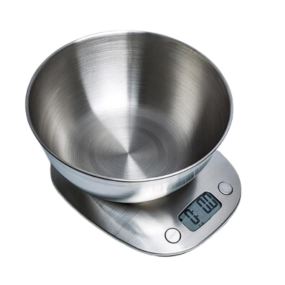
Precision matters with yeast-free baking. The ratio of raising agent to flour is critical, and even small inaccuracies affect the result. A good set of digital kitchen scales is non-negotiable.
Can You Use Plain Flour to Make Bread?
Technically, yes, but results will vary significantly compared to using strong bread flour.
The difference comes down to protein content. Strong bread flour contains around 12–14% protein, which develops into gluten when kneaded with water. Plain flour has a lower protein content (around 9–11%), which means the gluten network it forms is weaker. Bread made with plain flour will be denser, less chewy, and won't hold its shape as well during baking.
That said, plain flour works perfectly well for:
- Quick breads and soda breads
- Flatbreads and pitta
- Enriched doughs like brioche (where fat and eggs provide additional structure)
For an authentic French baguette, always opt for strong white bread flour or, if you want to go truly traditional, look for Type 55 French flour, the variety used in French boulangeries.
Can You Make Bread with Self-Raising Flour?
Yes, and for certain styles of bread, it's actually a very practical choice.
Self-raising flour contains plain flour combined with baking powder (roughly 2 teaspoons per 150g of flour). This makes it ideal for quick breads, scones, and loaves where you want a fast rise without yeast or a lengthy proof.
Tips for baking with self-raising flour:
- Don't over-mix the dough: work it just enough to bring it together, as overworking develops the gluten and toughens the texture
- Bake relatively quickly after mixing, as the raising agents activate on contact with liquid
- Buttermilk or yoghurt works well in SR flour bread, adding a pleasant tang and helping the bicarb react efficiently
A self-raising flour loaf won't give you the open crumb or crackly crust of a French baguette, but it will give you a quick, satisfying homemade loaf in under an hour, which, for busy kitchens, brunch services, or a simple weekend bake, is sometimes exactly what's needed.
Celebrating National French Bread Day on 21st March
National French Bread Day falls right at the start of spring, a perfect time to open the kitchen windows and dedicate a morning to baking. Here are a few ways to mark the occasion:
- Bake your first baguette: Use the recipe above and commit to the process. It's more achievable than you think, and the results are amazing.
- Add a French bread special to your menu: For cafes, restaurants, and bakeries, National French Bread Day is a great hook for a seasonal special.
- Host a bread and cheese evening: A freshly baked baguette with good butter and sharp cheese is the perfect excuse for a get-together.
Everything you need for National French Bread Day at Cooksmill
National French Bread Day is a reminder to slow down, enjoy the process, and take real pleasure in something made by hand. Whether you're scoring your first baguette, rolling croissant dough for a morning pastry service, or experimenting with a new sourdough starter, the principles are the same: use good ingredients, invest in reliable equipment from Cooksmill, and respect the process. That's what separates good bread from great bread, and great bread is what keeps customers coming back.