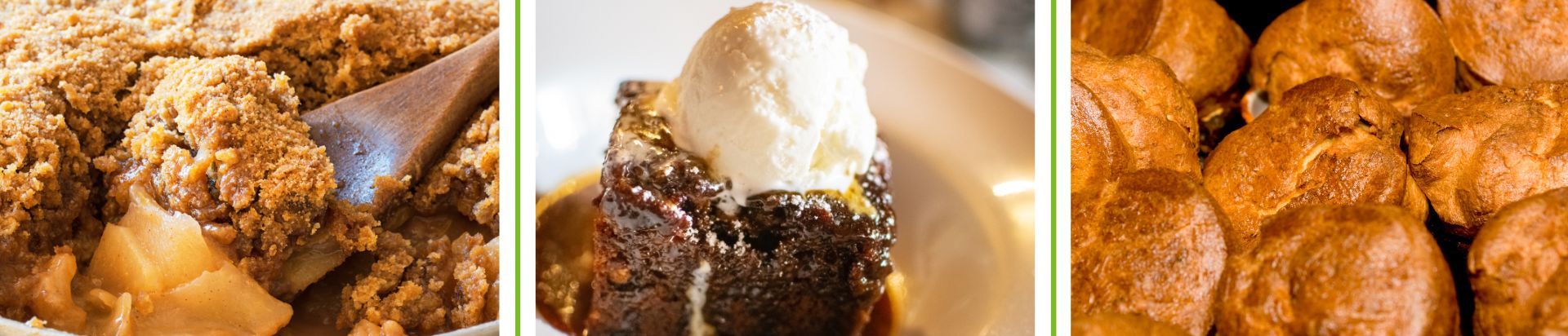
British puddings are edible history, far more than simple desserts. From the humble crumble to the indulgent sticky toffee pudding, these classics define comfort food at its finest. Yet the term pudding itself often confuses visitors: why do the British call all desserts “pudding”? And what makes a proper British pudding so special?
This guide explores the roots of British puddings, their cultural significance, and how to make eight timeless favourites, each paired with professional-grade bakeware from Cooksmill that guarantees the perfect result every time.
What Is a British Pudding?
The term pudding in Britain doesn’t refer to a single type of dessert. Historically, it means any dish cooked by steaming or boiling in a cloth or basin, both savoury and sweet. Over time, the word evolved to mean almost any dessert, from a steamed sponge to a baked tart.
So when a Brit says, “What’s for pudding?” they really mean, “What’s for dessert?”
Traditional puddings often rely on simple, affordable ingredients, flour, eggs, milk, butter, and sugar, transformed into warm, comforting dishes. Whether baked, steamed, or served with custard, a true British pudding embodies indulgence and nostalgia in every bite.
Why Do the British Call Dessert “Pudding”?
The habit dates back centuries. In medieval Britain, “pudding” referred to dishes made by encasing ingredients in a membrane or cloth, like black pudding or suet pudding. When sugar became more widely available, sweet versions emerged. Over generations, “pudding” became shorthand for the sweet course at the end of a meal. Today, while other countries might say dessert, the British proudly stick to pudding, a word that carries warmth, familiarity, and tradition.

The Essential Tools for Perfect British Puddings
Great puddings rely not just on good recipes but also on dependable bakeware. Consistent heat distribution, non-stick performance, and the right depth make all the difference.
Cooksmill’s professional bakeware collection offers everything from hard anodised baking sheets to aluminium bakewell pans, perfect for both home bakers and catering professionals.
Below are seven beloved British puddings and how to make them, with easy recipes, practical tips, and the ideal tools and equipment for each one.
1. Sticky Toffee Pudding
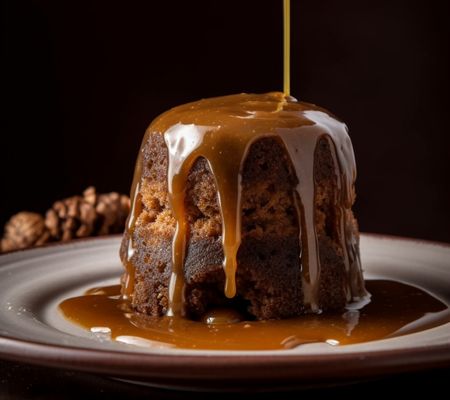
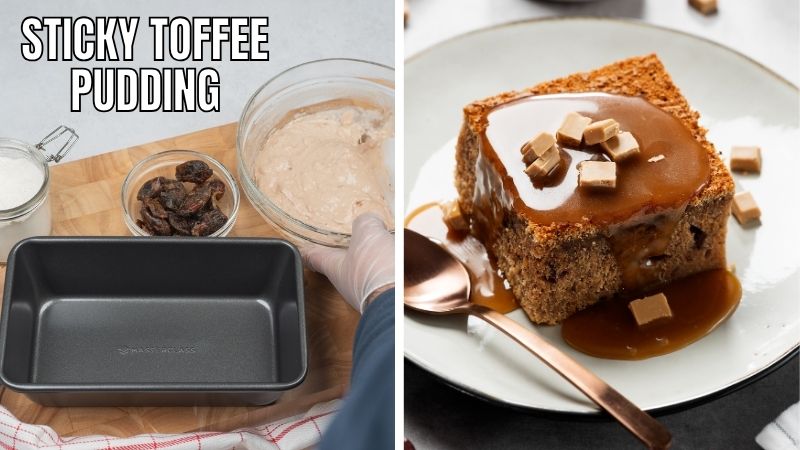
Few puddings capture British indulgence quite like sticky toffee pudding. It’s rich, moist, and perfectly sweet. It’s a soft date sponge soaked in a luscious toffee sauce.
How to Make Sticky Toffee Pudding
Ingredients:
- 200g pitted dates, chopped
- 250ml boiling water
- 1 tsp bicarbonate of soda
- 85g butter
- 75g brown sugar
- 2 eggs
- 175g self-raising flour
Method:
- Soak the dates in boiling water and stir in bicarbonate of soda.
- Cream butter and sugar until light, beat in eggs, and fold in the flour.
- Add the dates and water mixture, then pour into a Master Class Non Stick Loaf Pan (23 x 13cm).
- Bake at 180°C for 35–40 minutes until firm.
Toffee Sauce:
- Melt 100g butter, 100g brown sugar, and 200ml double cream.
- Pour generously over the warm sponge.
Serve with custard, cream, or vanilla ice cream for the ultimate comfort dessert.
2. Apple Crumble
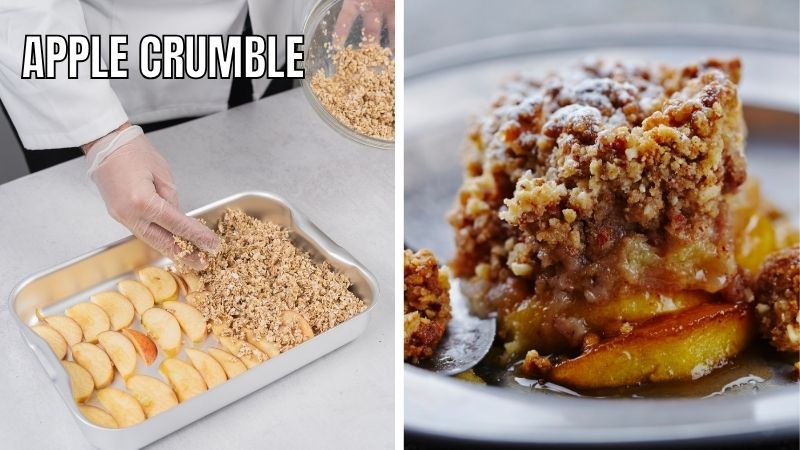
Simple, satisfying, and endlessly adaptable, apple crumble might be the nation’s most beloved pudding. It balances the tartness of stewed apples with a buttery, crumbly topping, best paired with piping hot vanilla custard.
Easy Apple Crumble Recipe
Ingredients:
- 5 large cooking apples, peeled and sliced
- 75g sugar
- 150g plain flour
- 100g cold butter, diced
- 50g oats
- 2 tablespoons water
Method:
- Place the apples, sugar, and water in a saucepan. Cook covered over medium heat for 5 minutes until slightly soft.
- Transfer to the Aluminium Baking Dish (21.5 x 31.5 x 5cm).
- To make the topping, rub the cold butter into the flour until it resembles breadcrumbs.
- Stir in the oats.
- Sprinkle the topping over the fruit. Bake at 190°C (170°C fan) for 25–30 minutes until golden and bubbling.
The sturdy aluminium dish ensures even baking and can handle generous portions, ideal for families or catering events.
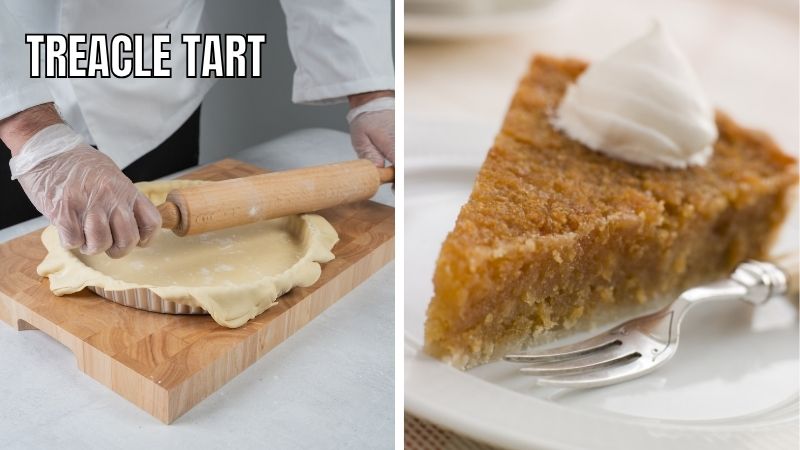
3. Treacle Tart
Treacle tart is a sweet symbol of British nostalgia, golden syrup, breadcrumbs, and lemon encased in a shortcrust base.
Treacle Tart Recipe
Ingredients:
- 375g shortcrust pastry
- 400g golden syrup
- 50g butter (optional, but recommended)
- 150g fresh breadcrumbs
- Zest and juice of one lemon
- 1 large egg, lightly beaten
Method:
- Roll out the pastry and line your Silverwood 27cm Continental Flan Tin with Loose Base. Prick the base all over with a fork.
- Gently warm the syrup (and butter, if using) until runny. Remove from heat.
- Stir the breadcrumbs, lemon zest, lemon juice, and the beaten egg into the warm syrup mixture.
- Pour the filling over the pastry base. Bake at 180°C (160°C fan / Gas Mark 4) for 25–30 minutes until the filling is set and the pastry is golden brown.
You may need to blind bake the pastry shell first for about 15 minutes to ensure the base is perfectly crisp and doesn't get a "soggy bottom."
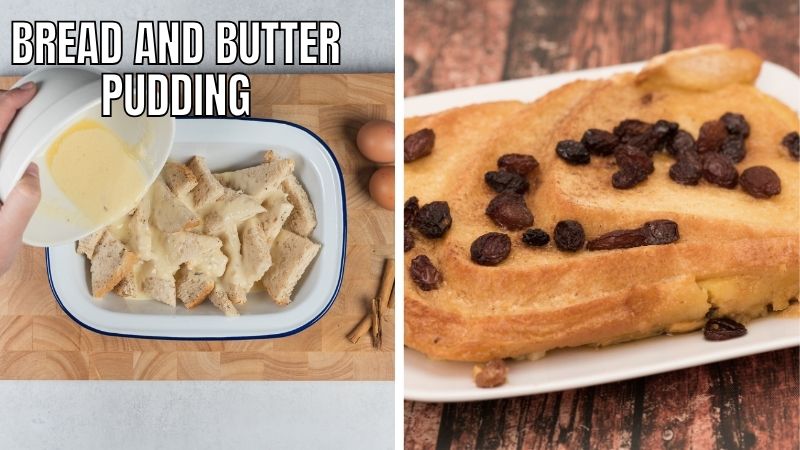
4. Bread and Butter Pudding
Born from the necessity of using up stale bread, this pudding dates back centuries, yet it has become a national treasure. Rich with custard, raisins, and a hint of spice, it’s comfort in a dish.
Bread and Butter Pudding Recipe
Ingredients:
- 8 slices of slightly stale bread, buttered
- 50g raisins
- 3 eggs
- 500ml milk
- 50ml cream
- 50g sugar
- 1 tsp cinnamon
Method:
- Layer buttered bread and raisins in an Falcon Housewares White Enamel Bake Pan 37cm.
- Whisk milk, cream, eggs, sugar, and cinnamon together, pour over the bread, and leave to soak for 15 minutes.
- Bake at 170°C for 40 minutes until puffed and golden.
Perfect for catering, this deep aluminium dish handles large batches evenly and cleans up easily after service.
5. Scones with Strawberries and Cream
Scones are quintessentially British; soft, crumbly, and often served with clotted cream and jam. But they can also form the base of a delightful dessert, such as a strawberry and cream pudding.
Scones Recipe
Ingredients:
- 225g self-raising flour
- 50g butter
- 25g sugar
- 150ml milk

Method:
- Rub butter into flour until it resembles fine crumbs. Add sugar and milk to make a soft dough.
- Roll out to 2cm thick and cut put rounds.
- Bake on a Hard Anodised Baking Sheet (37 x 26.5 x 2cm) at 200°C for 12 minutes.
Serve warm with whipped cream and fresh strawberries for an elegant twist on an afternoon classic. The anodised sheet ensures even heat and a crisp golden base every time.
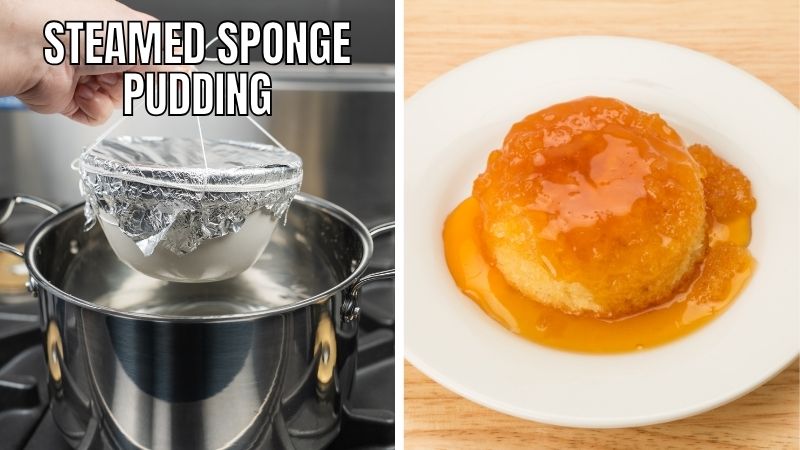
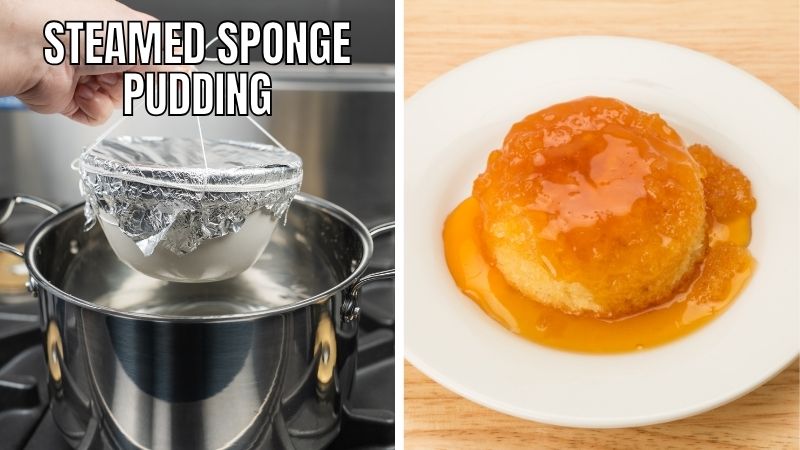
6. Traditional Steamed Sponge Pudding
No celebration of British puddings is complete without the classic steamed sponge pudding. This is the pudding that started it all. It’s light, fluffy, and gently cooked over simmering water instead of baked. The result is a warm, moist sponge that feels like nostalgia in every spoonful.
Steamed Sponge Pudding Recipe
Ingredients:
- 175g self-raising flour
- 175g butter
- 175g caster sugar
- 3 eggs
- 2 tbsp milk
- 3 tbsp golden syrup or jam for the base
Method:
- Grease a Porcelite Pudding Basin 16cm and spoon the syrup or jam into the bottom.
- Beat together the butter and sugar until fluffy. Add eggs one at a time, then fold in the flour and milk.
- Pour the mixture into the basin, leaving about 2cm of space at the top for expansion.
- Cover tightly with a layer of baking paper and foil, tying securely with string.
- Steam for 1¾ to 2 hours, checking occasionally to ensure the water doesn’t boil dry.
Once ready, invert the pudding onto a plate and let the golden syrup cascade down the sides. Serve with custard for a truly old-fashioned British treat. The Porcelite Pudding Basin is ideal for this method. Its durable porcelain construction evenly distributes heat, helping the sponge cook gently and evenly.
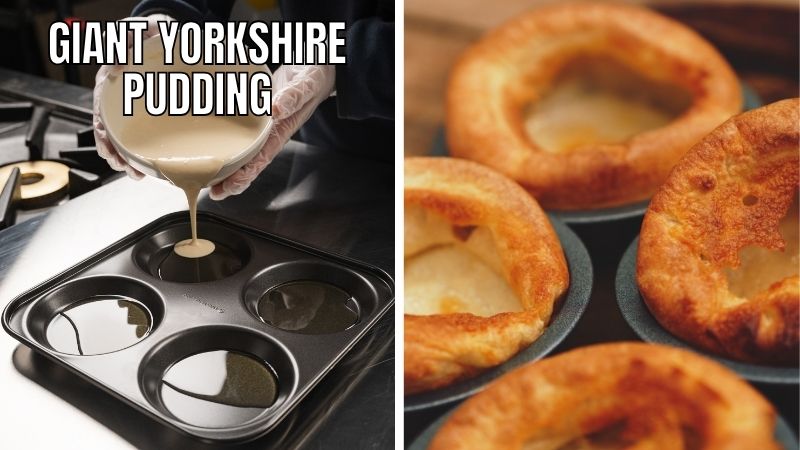
7. Giant Yorkshire Pudding
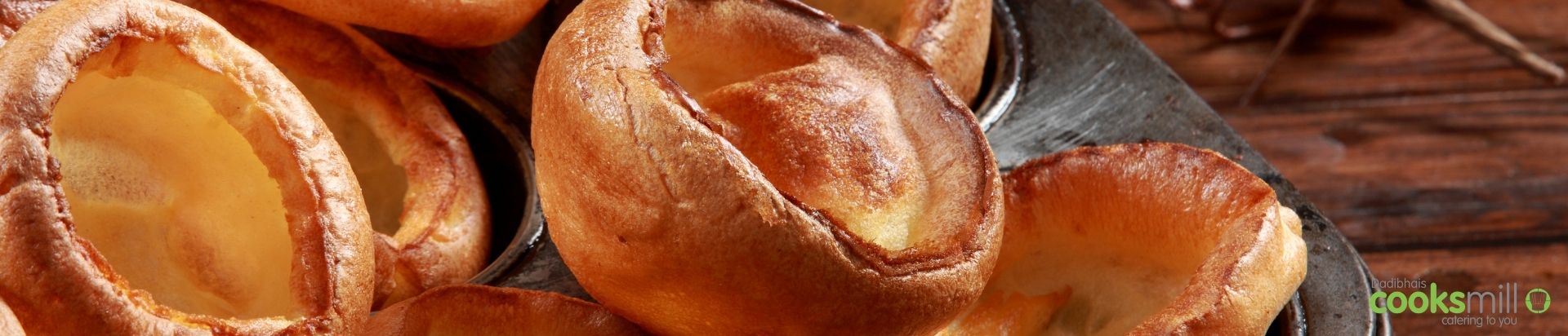
While not sweet, Yorkshire pudding earns its place on this list as one of Britain’s greatest culinary inventions. Its dramatic rise and crisp edges make it both a side dish and, when filled with sausages, a complete meal, famously known as Toad in the Hole.
How to Make a Big Yorkshire Pudding
Ingredients:
- 200g plain flour
- 4 eggs
- 200ml milk
- 100ml water
- Vegetable oil or dripping
Method:
- Heat oil in a Non-Stick Yorkshire Pudding Pan in a very hot oven (220°C).
- Whisk flour, eggs, milk, and water until smooth.
- When the oil is sizzling, pour in the batter and bake for 25 minutes until puffed and golden.
For Toad in the Hole, simply add browned sausages before baking. The wide, shallow Bakewell pan helps the pudding rise evenly and delivers that signature crisp edge.
The Cultural Importance of British Puddings
Puddings are woven into the fabric of British life. Every region has its own speciality, from Bakewell tart in Derbyshire to the sticky toffee pudding of Cumbria. They appear in school canteens, Sunday roasts, and fine-dining menus alike. More than food, they’re a shared language of comfort and nostalgia.
In modern kitchens, these puddings connect generations. Grandparents teach grandchildren how to layer bread and butter pudding; home bakers experiment with vegan crumbles; chefs plate up elegant versions of treacle tarts with creme fraiche. However they’re made, the essence remains the same, simple ingredients, slow comfort, and unmistakably British warmth.
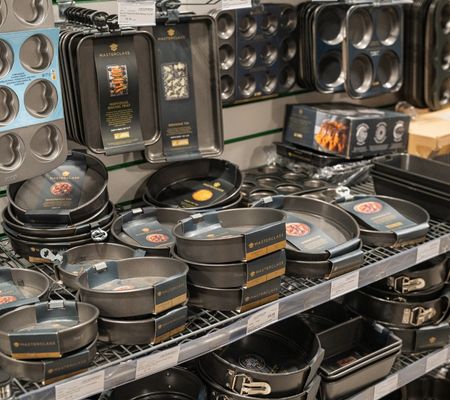
Why Bakeware Matters for Perfect Puddings
Professional results depend on more than just recipes. Bakeware quality determines texture, rise, and even cooking.
- Hard anodised bakeware conducts heat efficiently and resists warping, ideal for scones, pastries, and delicate bakes.
- Aluminium baking dishes provide fast, even heat distribution, ensuring no soggy bottoms or uneven browning.
- Non-stick loaf pans make unmoulding sticky desserts like sticky toffee pudding effortless.
- Professional piping nozzles elevate presentation, turning everyday puddings into patisserie-level creations.
Cooksmill’s range of professional baking tools and trays is trusted by chefs and bakers nationwide for their reliability and performance, essential when perfection matters.
Bringing Tradition to Modern Kitchens
You don’t need to be a professional baker to master these recipes. With reliable bakeware and a few quality ingredients, anyone can recreate the charm of British puddings at home. From family gatherings to catering events, these dishes never fail to bring people together.
And whether you’re learning how to make bread and butter pudding, how to make sticky toffee pudding, or how to make a big Yorkshire pudding, having the right tools makes the process smoother, faster, and more rewarding.
Frequently Asked Questions About British Puddings
What is a British pudding?
A British pudding is any traditional dessert that’s baked, steamed, or boiled, often served warm and usually rich in flavour. Originally, puddings were savoury, made with meat or suet, but over time, the term came to mean all sorts of sweet desserts. Today, anything from a sticky toffee pudding to a crumble can proudly be called a “pudding.”
Why do the British call dessert “pudding”?
It’s a mix of history and habit. Centuries ago, puddings were a way to cook ingredients together in a cloth or casing, creating both savoury and sweet dishes. As sweet puddings became popular, the word stuck, even after desserts evolved.
What is a pudding basin used for?
A pudding basin is a heatproof bowl designed for making traditional steamed puddings, such as sponge puddings or treacle puddings. Unlike a standard mixing bowl, it’s made to withstand long periods of gentle steaming, ensuring even cooking from all sides.
To use one, grease the inside lightly, add your sponge mixture, cover the top with baking paper and foil, and secure it with string before steaming over simmering water. The Porcelite Pudding Basin 16cm is perfect for this, offering consistent heat distribution, a smooth glazed surface for easy release, and the durability to handle both home baking and professional kitchen use.
How should I serve British puddings?
Most British puddings taste best warm, served with custard, cream, or ice cream. Some, like Queen of Puddings, can be beautifully presented using professional piping nozzles for the meringue topping, while others, like Yorkshire pudding, are ideal as savoury centrepieces.
Can I make British puddings in advance?
Yes, most puddings can be made ahead and reheated gently before serving. Sticky toffee pudding, bread and butter pudding, and crumbles all reheat beautifully in an oven-safe aluminium baking dish. Just avoid microwaving, which can dry out the texture.
What bakeware is best for British puddings?
Aluminium and hard anodised bakeware are the gold standard for even heat distribution and long-lasting durability. A sturdy Bakewell pan is ideal for traybakes and Yorkshire puddings, while non-stick loaf pans and baking dishes make sticky or custard-based puddings easy to release and serve.
Keep the Tradition Alive
British puddings are easy to adapt to new diets, flavours, and formats while keeping their heart, comfort, care, and a touch of indulgence. From the golden crust of a crumble to the glossy meringue of a Queen of Puddings, each one tells a story worth savouring.
The next time you’re planning dessert, think beyond the supermarket sponge. Bake a pudding and do it justice with professional-grade tools built to last. Visit Cooksmill to explore premium bakeware, your key to pudding perfection.