Pastry is one of the most important foundations in baking. It’s the base for pies, tarts, sausage rolls, and quiches, and it can transform a dish from simple to impressive. Despite its popularity, pastry has a reputation for being difficult. Many people find that their dough turns tough instead of flaky, shrinks away from the tin, or ends up soggy on the bottom. These problems are common, but they’re not unavoidable. With the right knowledge and the right tools, pastry can be consistent and reliable.
This guide covers everything you need to know about pastry, from choosing fats to solving common problems. We’ll look at puff pastry and shortcrust in detail, explore which utensils make preparation easier, and answer common questions like whether a food mixer is suitable and what to do with leftover pastry. By the end, you’ll have a clear understanding of what makes pastry work and how to get better results every time.
What Makes a Good Pastry?
Pastry has to achieve two things at once: it needs to be strong enough to hold a filling and light enough to have a pleasant texture. Puff pastry, for example, should rise in the oven to form clear, buttery layers that flake apart when cut. Shortcrust, on the other hand, should bake into a crisp shell that crumbles gently in the mouth without becoming chewy. These qualities come down to how the ingredients are combined and handled.
Three factors make the biggest difference:
- The first is the fat you use, because this changes both texture and flavour.
- The second is how you mix that fat into the flour, whether it’s rubbed in by hand or cut in with tools like pastry blenders.
- The third is temperature control. Warm hands and hot kitchens make fat melt too quickly, which leads to greasy pastry with little structure. Keeping ingredients and utensils cool helps preserve the crumbly or flaky finish you’re looking for.
Resting the dough in the fridge before rolling is also essential because it gives the gluten time to relax, which reduces shrinkage when baking.
How to Make Puff Pastry: Layers That Rise
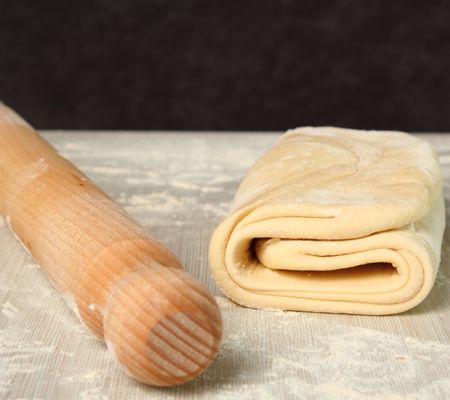
Puff pastry is known for being time-consuming, but the principle is simple. The dough is wrapped around a block of butter, rolled out, and folded multiple times to create alternating layers of dough and fat. When the pastry hits the oven, the water in the butter turns to steam, lifting each layer and creating the familiar flaky structure.
Puff Pastry Ingredients
- Plain flour
- Butter (high-quality, unsalted, and very cold)
- Water (ice cold)
- Salt
Puff Pastry Lamination Process
1. Combine Ingredients and Enclose the Butter: Mix the plain flour, salt, and water to form a smooth dough. Roll the dough out and place a flattened block of cold butter in the centre. Fold the dough edges over to completely enclose the butter, sealing the edges tightly.
2. Laminate: The First Fold (Turn 1 of 6)
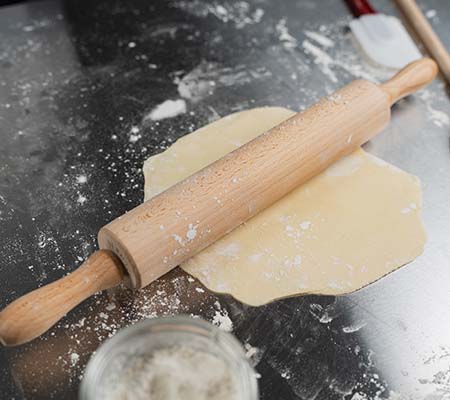
- Roll evenly: Use a wooden rolling pin to apply controlled, even pressure. Roll the dough out to a long, straight-sided rectangle (roughly 18×38cm). This ensures the butter spreads smoothly without being broken up.
- The fold: Visually divide the rectangle into thirds. Fold the bottom third up and the top third down over it (like folding a letter). Press the seams to seal.
- Quarter turn: Give the dough a 90-degree (quarter) turn so the open edge is now on your right.
- Rest: Cover the dough and chill for 20–30 minutes. This allows the butter to firm up and the gluten to relax.
3. Repeat the Folding Process
- You need to repeat the folding sequence five more times, for a total of six turns. This creates the characteristic of hundreds of layers in puff pastry.
4. Essential Tips for Success
- Brush Away Excess Flour: Use a pastry brush between folds to sweep away any excess flour. This prevents flour clumping between layers, which is essential to keep the layers separate and avoid blocking the final rise.
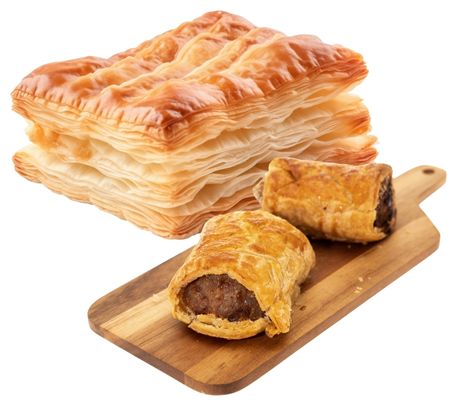
Once you’ve made puff pastry, you can use it for a wide range of dishes. Sausage rolls are one of the simplest and most popular, but puff pastry can also form the base for savoury pies, palmiers, cheese straws, or even mille-feuille.
If you’re left with scraps after cutting, don’t throw them away. Press them into a loose base tart tin to make mini jam tarts or cut them into strips and sprinkle with cheese for quick, simple snacks. Puff pastry takes time, but it’s flexible and worth the effort.
How to Make Shortcrust Pastry: Reliable and Versatile
Shortcrust pastry is the most common type of pastry used in both home kitchens and professional bakeries. It is simpler to make than puff pastry, and when done correctly, it provides a dependable base for pies, tarts, and quiches.
Shortcrust Pastry Ingredients
- Plain flour
- Fat (cold butter, margarine, or oil)
- Salt (for savoury pastry)
- Sugar (optional, for sweet pastry)
- Water (ice cold)
Shortcrust Pastry: Key Steps
- Combine ingredients: Mix flour and fat (usually butter) using a rubbing technique until the mixture resembles coarse breadcrumbs.
- Add liquid: Quickly add just enough ice-cold water to hydrate the flour and bring the dough together into a cohesive ball.
- Handle minimally: The critical step is to avoid overworking the dough. Limit handling to prevent the development of gluten, which is the cause of a tough, rather than tender, finished crust.
A pastry blender helps with this because it cuts the fat into the flour quickly without warming it or overmixing. After resting in the fridge, the dough should be rolled evenly with a wooden rolling pin. Shortcrust pastry is adaptable as you can add sugar for sweet versions, cheese for savoury ones, or herbs to complement particular fillings.
Butter, Margarine, Oil, and Lard
The fat in pastry does more than hold the dough together. It affects flavour, texture, and how easy the pastry is to work with.
- Butter is the most popular option because it gives the best flavour and helps create flaky layers in puff pastry. The downside is that it can be tricky to handle, softening quickly in a warm kitchen and hardening when too cold.
- Margarine is often used in commercial kitchens because it is stable and consistent. It produces reliable results and is cheaper than butter, though it doesn’t have the same richness of flavour.
- Oil is less common in traditional pastry but can be used in some recipes to produce a crumbly texture, particularly in dairy-free or vegan baking. Lard is another traditional option that adds tenderness to savoury pastry, though it has a distinct flavour and is less common today.
The choice comes down to the balance between taste, cost, and ease of handling. Butter is usually best when flavour matters most, while margarine or lard may be better for large-scale production or certain savoury pies.
Sausage Rolls and Other Puff Pastry Dishes
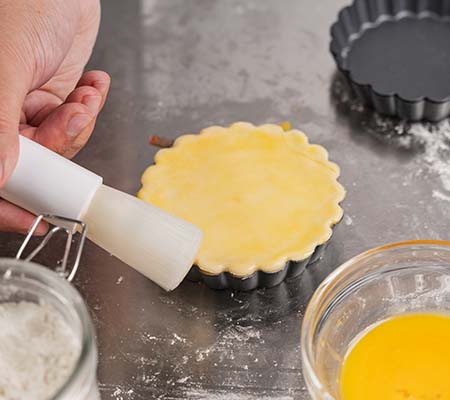
Sausage rolls are one of the easiest ways to use puff pastry and a favourite in both homes and catering kitchens. The process is simple: roll out the pastry, add sausage meat, fold it over, seal the edges, and brush with egg wash. The pastry brush is ideal for applying the egg wash evenly, which helps give the pastry its golden, glossy finish.
Beyond sausage rolls, puff pastry has plenty of uses. It can form the lid of a hearty meat pie, serve as the base for cheese twists, or be cut into elegant shapes for party food. Scraps can be reused for palmiers or pinwheels filled with pesto or tapenade. With the right pastry tins and cutters, you can quickly turn off-cuts into neat, consistent snacks without waste.
Can You Use a Food Mixer for Pastry?
Food mixers can save time when making pastry, but they aren’t always the best option. A paddle attachment can blend flour and fat together quickly for shortcrust pastry, but it’s easy to overwork the dough, which makes it tough. For puff pastry, a mixer is less helpful because the folding and rolling have to be done by hand.
Many bakers prefer tools like a pastry blender instead. It provides speed and consistency without losing control of the dough’s texture. A blender also keeps the fat cold, which is harder to achieve when using your hands or a mixer. While a mixer can be useful for batch baking, manual methods are often better when you want reliable results.
Avoiding Common Pastry Problems
Most issues with pastry are caused by the same few mistakes, and once you know how to avoid them, the process becomes much easier. Tough pastry usually comes from overworking, which is why quick blending and minimal handling are important. Shrinking pastry is often a result of not resting the dough before baking, so chilling it properly makes a big difference.
Soggy bottoms are a frequent complaint, especially with pies and tarts. Blind baking, where you bake the pastry shell before adding the filling, solves this problem. Using loose-base tart tins also helps by allowing heat to circulate evenly and making it easier to check the base. Uneven browning usually comes down to poor egg wash coverage. A nylon pastry brush ensures the wash is applied smoothly, which gives a consistent colour across the whole surface
Why the Right Utensils Matter
Pastry isn’t complicated in terms of ingredients, but it can be demanding when it comes to technique. Having the right utensils makes it easier to control the process and achieve reliable results. The essentials for pastry include:
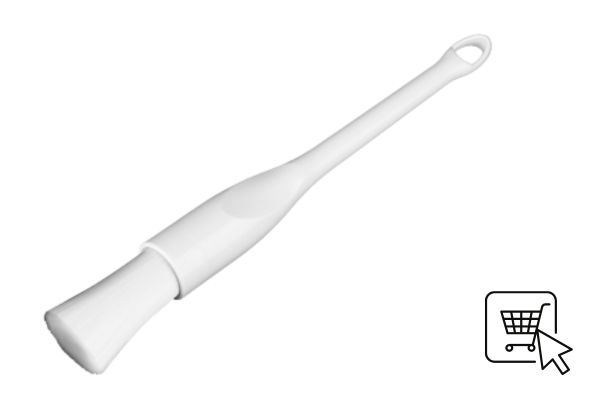
- Nylon pastry brush: Used for brushing away excess flour between delicate pastry layers. It's also ideal for glazing surfaces with egg wash or brushing melted butter without tearing the dough.
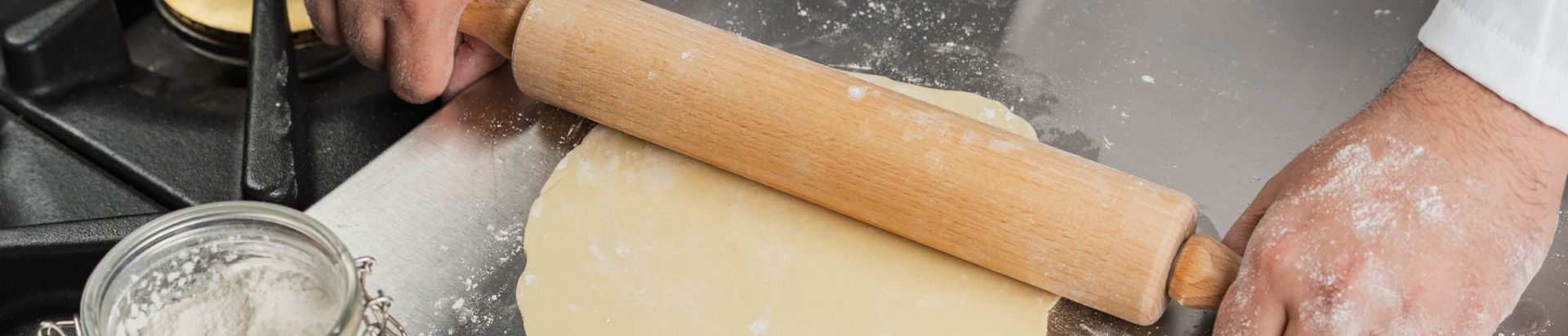
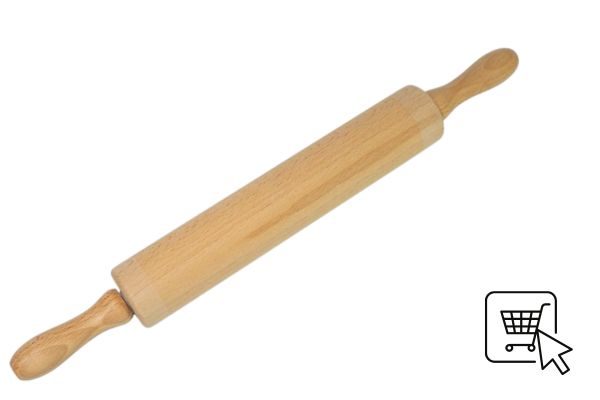
- Wooden rolling pin: The traditional choice for pastry, its weight and smooth surface give you the necessary control and even pressure to spread dough and butter without breaking the lamination layers or warming the dough too quickly.
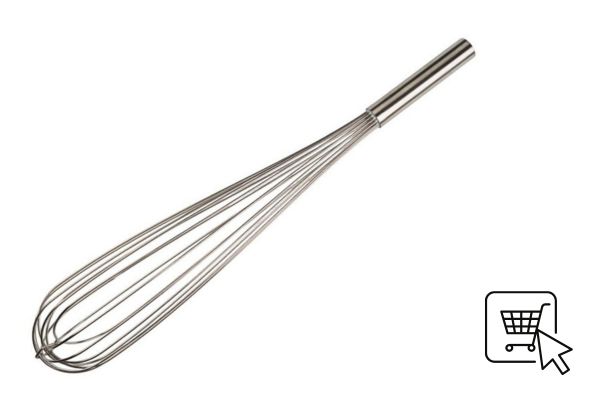
- Whisk: Essential for incorporating air into ingredients, such as whipping egg whites for meringues or smoothly emulsifying eggs and liquids for custards and pastry cream without leaving any lumps.
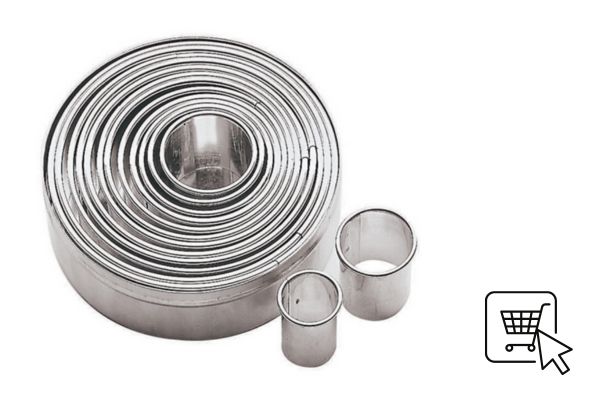
- Pastry cutters: These allow you to cut clean, sharp edges on dough without dragging or distorting the shape. Clean cuts are vital for getting a proper rise and uniform bake.
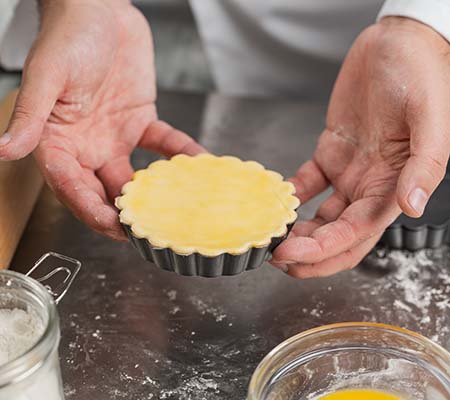
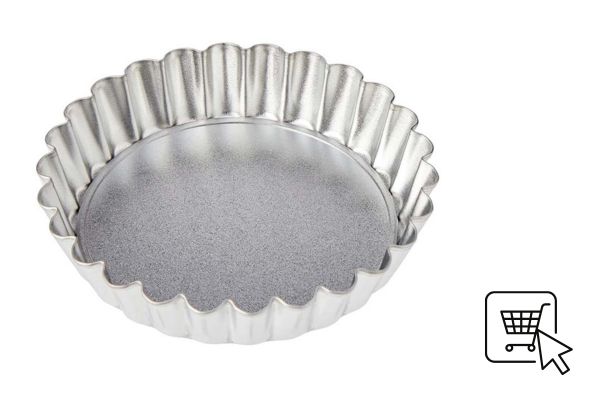
- Loose base tart tins: Designed with a removable bottom, these tins allow you to easily plate finished tarts without damaging the delicate crust. They are essential for baking blind and ensuring a crisp base.
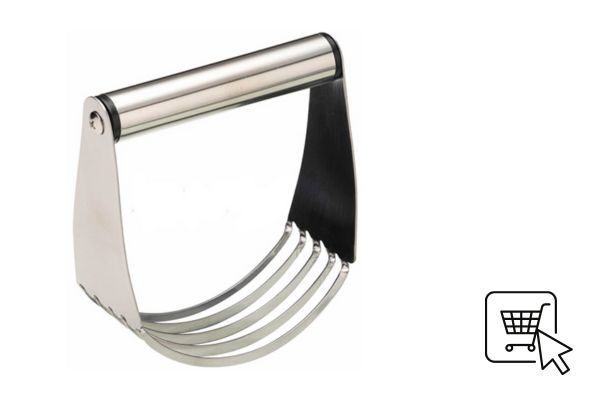
- KitchenCraft stainless steel pastry blender: This tool is specifically designed to cut cold butter into flour with minimal handling, which is the key to creating the perfect pea-sized crumbs needed for tender, flaky shortcrust pastry.
These aren’t extras; they’re the basic toolkit for anyone who wants to make pastry successfully, whether at home or in a professional kitchen.
Shop Pastry Essentials with Cooksmill
Pastry can seem difficult, but once you understand the basics and avoid common mistakes, it becomes much easier to handle. Choosing the right fat, resting the dough, and using reliable utensils all make a difference to the final result. Sausage rolls, tarts, and pies all rely on these foundations, and with practice, they become dishes you can prepare with confidence.
By equipping your kitchen with pastry utensils, you give yourself the best chance of success. Good pastry isn’t about luck; it’s about preparation, consistency, and using equipment that makes the process easier. With these principles in place and Cooksmill’s wide range of tools, pastry becomes less of a challenge and more of a reliable part of your cooking routine.