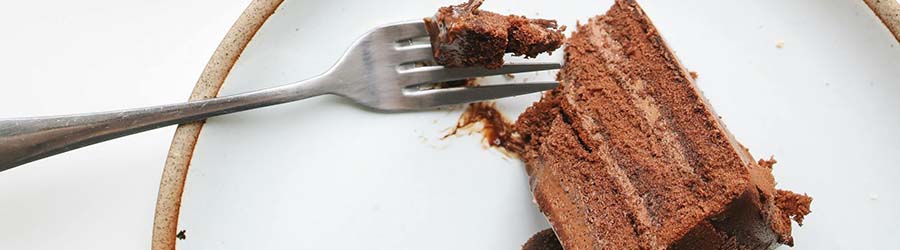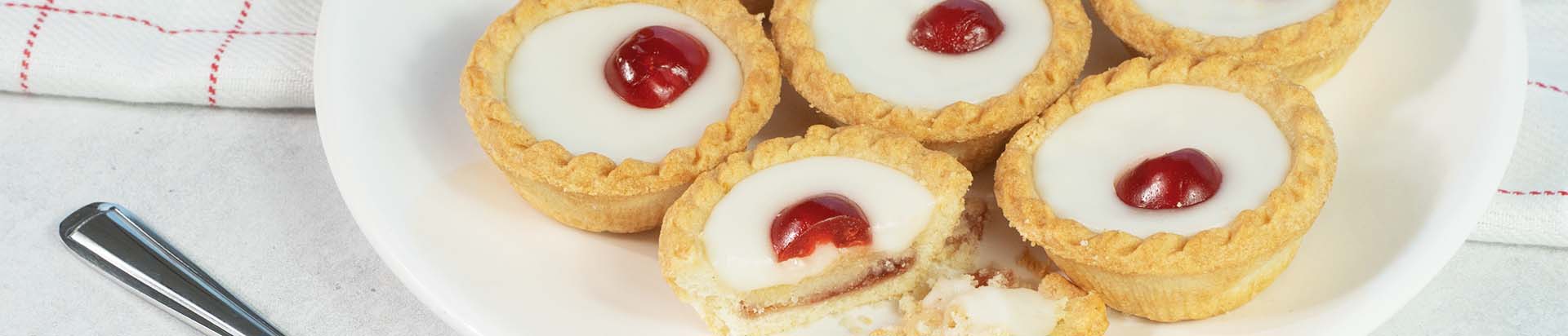
Each year, Bakewell Tart Day invites food lovers across the UK to pay tribute to one of Britain’s most comforting desserts. Whether you’re a lifelong fan of the almond and jam-laced pastry or you’ve only just discovered the delights of frangipane, Bakewell Tart Day is the perfect excuse to fire up the oven and bake something special. It’s a day not just about indulging your sweet tooth, but also celebrating a piece of culinary heritage that has stood the test of time.
While not an official public holiday, Bakewell Tart Day is widely observed by home bakers, pastry shops, and food bloggers alike. It falls on the 11th of August and offers a fantastic opportunity to reconnect with traditional British baking while trying out new skills or revisiting a beloved family recipe. With the right tools, like the high-quality Bakewell tins from Cooksmill’s own range, Silverwood, or Masterclass, you can ensure your tart bakes evenly, releases cleanly, and looks as good as it tastes.
What Is a Bakewell Tart?
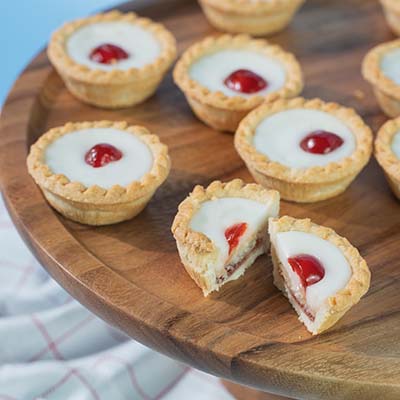
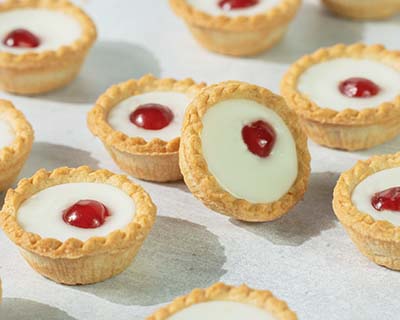
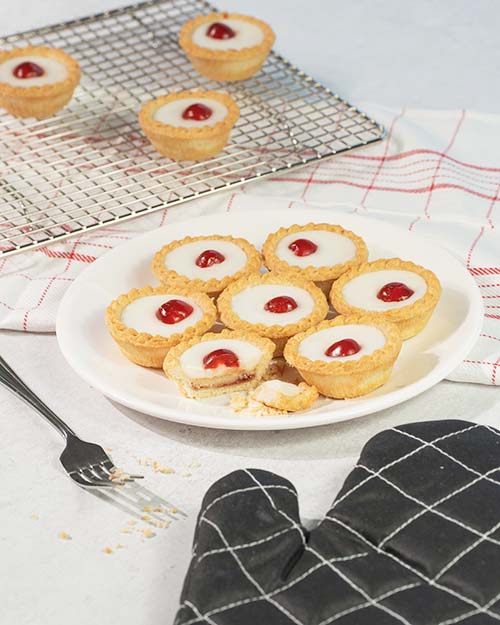
A Bakewell tart is a structured, layered dessert built upon a crisp shortcrust pastry base, topped first with a layer of jam, traditionally raspberry, then filled with a rich, soft almond-flavoured sponge known as frangipane. Depending on the version, the tart might be topped with flaked almonds and a dusting of icing sugar or finished with a smooth layer of fondant icing and a cherry, in what has become known as the “cherry Bakewell.”
The balance of textures is what sets this tart apart. The sturdy crust holds the moist, nutty sponge, while the jam adds a welcome sharpness that cuts through the sweetness. It’s elegant yet hearty, sophisticated without being fussy. Over time, the Bakewell tart has become a staple of tea tables and bakery shelves across the country.
Where Does the Bakewell Tart Come From?
The Bakewell tart takes its name from the Derbyshire town of Bakewell, nestled in the heart of the Peak District. According to popular legend, the dessert was born out of a happy kitchen mishap in the 19th century. The story goes that a cook at the White Horse Inn misinterpreted instructions from the landlady and spread a mixture of eggs, sugar, and ground almonds on top of jam rather than stirring them all together. The mistake led to the creation of what became known as the Bakewell pudding.
Over time, this pudding evolved. Bakers began experimenting with more consistent shortcrust bases, smoother almond fillings, and decorative toppings. By the 20th century, the more refined and consistent version we now call the Bakewell tart had taken shape. Although the exact timeline is difficult to verify, the town of Bakewell proudly continues to claim both desserts as its own. Visitors to the area can still sample traditional Bakewell puddings made by local bakers using fiercely guarded family recipes, while bakeries across Britain offer their own takes on the tart.
The Difference Between a Bakewell Tart and a Bakewell Pudding
Although they share similar ingredients and the same regional origin, the Bakewell tart and the Bakewell pudding are distinctly different desserts. One is a structured pastry you could find neatly sliced on a tea tray; the other is a more rustic dish often eaten warm and with a spoon.
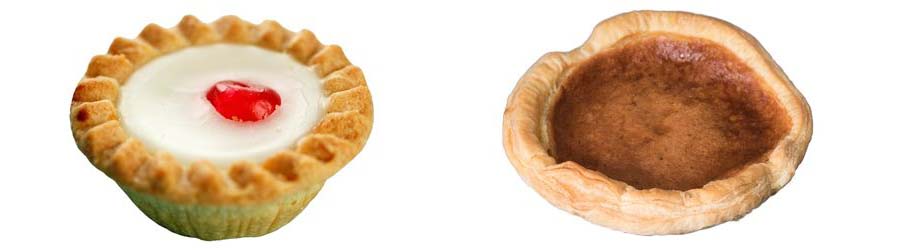
The Bakewell pudding is the older of the two and far less uniform in appearance. It typically features a flaky or puff pastry base (as opposed to the tart’s shortcrust), spread with jam and topped with an almond-rich egg custard. The filling is softer and more custard-like in texture than the spongy frangipane of the tart. As a result, the pudding is often served warm and may be more delicate and runny in consistency.
The Bakewell tart, by contrast, is a product of refinement. Its firm pastry shell is baked until crisp and golden, providing a stable base for the neatly layered jam and almond sponge filling. While it can be enjoyed warm, it is most commonly served at room temperature and can be sliced and handled with ease. This makes it ideal for picnics, tearooms, and lunchboxes alike. The tart is also the version that often includes a fondant icing top, something rarely seen with the pudding.
In short, the Bakewell pudding is a rich, custardy ancestor, while the Bakewell tart is the polished, structured evolution. Both are delicious in their own right, but they serve different purposes and offer different eating experiences.
How to Make Mini Bakewell Tarts at Home
Making your own Bakewell tarts from scratch is deeply satisfying and surprisingly straightforward. With the right tools and a bit of care, even novice bakers can create professional-quality desserts. This recipe makes 12 mini tarts using the Master Class 12-hole mini tart pan.
Ingredients:
For the pastry:
- 100g plain flour
- 50g unsalted butter (cold, cubed)
- 1 tbsp icing sugar
- 1/2 egg yolk (or 1 full egg yolk and use half of the mixed dough)
- 1 tbsp cold water
For the filling:
- 75g raspberry jam
- 75g unsalted butter (softened)
- 75g caster sugar
- 2 medium eggs (or 1 egg and 1 yolk, or 1 egg and adjust other ingredients)
- 75g ground almonds
- 1 tbsp plain flour
- 1/2 tsp almond extract
Optional topping:
- Flaked almonds
- Or fondant icing and glacé cherries
Method:
- Make the pastry: Rub the flour, butter, and icing sugar together until the mixture resembles breadcrumbs. Add the egg yolk and water, mixing just until it forms a dough. Chill for 30 minutes.
- Blind bake the bases: Roll the dough thinly and cut out 12 circles to fit the mini tart pan holes. Line each hole with dough. Prick the base of each tart with a fork. Bake at 180°C (160°C fan) for 10 minutes. For a disposable option, use our Caroline Aluminium Pie / Tart Cases.
- Add jam: Spread a small amount of raspberry jam over the base of each tart shell.
- Prepare the frangipane: Beat butter and sugar until light and fluffy. Add eggs one at a time, followed by almond extract, ground almonds, and flour.
- Bake the tarts: Spoon the almond mixture over the jam in each tart shell. Smooth the top. Sprinkle with flaked almonds if using. Bake for 15–20 minutes until golden and firm.
- Decorate (if icing): Once cooled, top with a layer of white icing and finish with a cherry on each tart.
Can You Freeze a Bakewell Tart?
Yes, Bakewell tart freezes very well. If you plan to make it ahead of time or simply want to enjoy leftovers later, you can freeze it for up to three months. Make sure the tart is completely cool before wrapping it tightly in cling film and a layer of foil. For best results, freeze it before adding icing. This prevents any textural issues when thawing.
To defrost, leave the tart in the fridge overnight or at room temperature for several hours. You can reheat slices in the oven if you prefer a warm dessert, but it’s equally good cold.
How to Store a Bakewell Tart
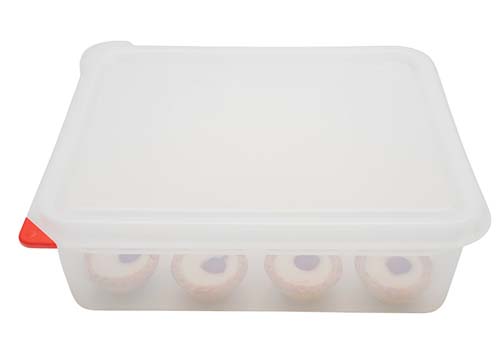
A freshly baked Bakewell tart can be stored in an airtight container at room temperature for up to three days. Aravan Airtight Containers feature a double airtight seal, providing complete protection for your stored bakewell tarts. If your kitchen is particularly warm or humid, storing it in the fridge may help it keep longer, up to five days. However, refrigeration can firm up the sponge slightly, so allow it to come to room temperature before serving. If the tart is topped with icing, storing it in a single layer is essential to avoid smudging or sticking.
Choosing the Right Bakeware for the Perfect Bakewell Tart
Your ingredients matter, but so does your equipment. The quality and material of your tart tin can affect everything from the colour of the crust to how easily the tart releases.
Silverwood Bakeware
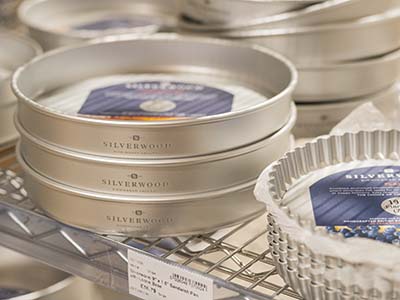
Silverwood tins have a loyal following among professional bakers, and for good reason. Made in the UK from anodised aluminium, they offer superb heat conduction and easy release, thanks to their loose bases. Silverwood pans are especially suited to layered desserts like Bakewell tart, where precision matters. They’re light, efficient, and built to last for years. The durable, rust-proof finish is also surprisingly easy to clean and maintain, and the anodised surface ensures an even bake every time.
Masterclass Bakeware
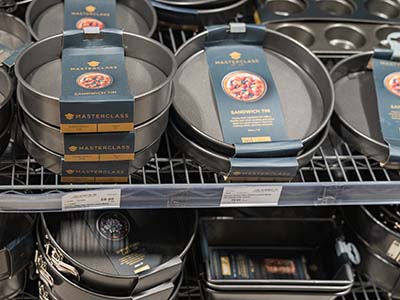
For those looking for a dependable, non-stick alternative, Masterclass delivers. These tins combine classic performance with easy-clean features. Their robust construction and reliable non-stick coatings make their tart tins ideal for everyday baking. They’re particularly helpful for beginners or busy kitchens where time is of the essence and cleanup needs to be quick. The heavy-duty construction of this bakeware ensures even heat distribution, while the non-stick coating releases bakes effortlessly.
Silicone Bakeware
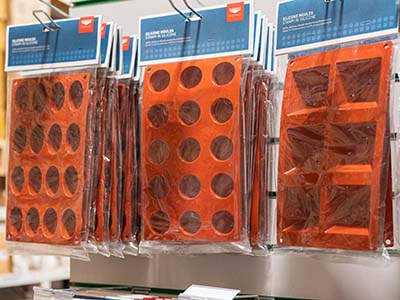
For the easiest release and cleanup, a high-quality silicone mould like the Happyflex Silicone 15 Tartlet Mould is a great option. Silicone is naturally flexible and non-stick, making it easy to pop your bakewell tarts out without any effort or worry about them breaking. The size of the mould is a practical, professional-standard dimension, making it easy to fit into many ovens and professional kitchens. This mould is an excellent choice for making delicate mini tarts where a perfect, intact finish is key.
Cooksmill Hard Anodised Bakeware
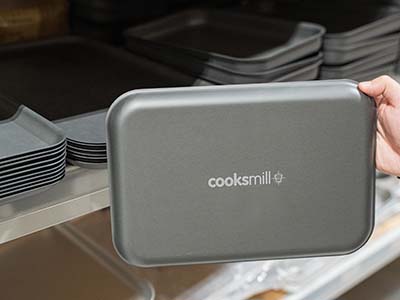
Cooksmill's hard-anodised tart tins and baking sheets are built for serious performance. Hard anodised aluminium distributes heat evenly, which promotes consistent browning, ideal for achieving that perfect tart base. These pans are also exceptionally durable, scratch-resistant, and non-reactive.
Because of their durability and even heat distribution, these tins are versatile. You can use a baking pan to hold disposable tart cases, making it easy to transfer them in and out of the oven. For a loose-bottom tart tin, placing it on a hard anodised baking tray can provide extra stability, preventing spills and making it easier to handle. This makes them a top-tier choice for both home bakers and professionals.
Bakeware FAQs
How to clean aluminium bakeware?
Aluminium bakeware should be hand-washed using mild detergent and a soft cloth or sponge. Avoid abrasive pads or harsh cleaners, as these can damage the surface and cause discolouration. To tackle stubborn stains, make a paste with baking soda and water, apply gently, and rinse well.
Do you have to grease silicone bakeware?
Silicone is naturally non-stick, but a light greasing is often still recommended, especially for recipes like Bakewell tart with sticky fillings and delicate structures. A quick brush of oil or spray ensures the tart releases cleanly and helps maintain the integrity of the base.
What is the best material for bakeware?
It depends on your priorities. Hard anodised aluminium offers excellent heat distribution and durability, making it ideal for precision baking. Non-stick steel provides easy release and cleanup, while silicone is flexible and dishwasher-safe, though less suited for structured tarts. Ceramic is great for presentation and even baking, but tends to be heavy and fragile. For Bakewell tarts specifically, anodised aluminium or non-stick steel are your best options.
Celebrate Bakewell Tart Day the Right Way
There’s no better time to perfect your tart than Bakewell Tart Day. Whether you’re new to baking or a baking pro, the key to success lies in using high-quality ingredients and even better bakeware. At Cooksmill, we offer everything you need to create flawless bakes, from our own range of hard anodised tins to trusted brands like Silverwood and Masterclass.
Explore our full selection at Cooksmill and give yourself the best chance of nailing that crisp base, golden sponge, and perfectly layered finish.