Food is always shaped by the way people live, work, and spend their money, and 2026 follows the same pattern. Consumers are becoming more deliberate about the choices they make. They want meals that support their wellbeing, ingredients they can trust, and dishes that feel genuine rather than driven by short-lived fads. The emphasis this year is on food that is functional, sustainable, and rooted in real flavour.
What’s different about 2026 is that these shifts are no longer on the edges of the industry. They are steering how chefs plan menus, how retailers stock their shelves, and how home cooks organise their weekly meals. From personalised nutrition to hyper-local sourcing and the return of culturally specific cooking, the food sector is reorganising itself around a more thoughtful eater. Here’s what to expect in 2026 and why these trends matter.
Eating With Purpose: Function, Personalisation, and the New Science of Food
Protein and Fibre Become Everyday Essentials
Protein and fibre have now moved from trend status to everyday expectations. After years of public discussion around blood sugar stability, gut health, and satiety, people are choosing foods that support steady energy and reliable digestion rather than short bursts followed by a slump. This shows up in simpler, more practical buying habits.
Consumers are shifting towards:
- protein-enriched pastas and grains
- cereals designed around whole ingredients rather than sugar
- bean- and lentil-based snacks
- mushroom-focused dishes
- meals built around naturally protein-dense plants
The question “What plants are highest in protein?” now comes up often. Soybeans, lentils, chickpeas, hemp seeds, quinoa, black beans, and various mushrooms are the most frequently chosen options; not because they mimic anything else, but because they work well in everyday cooking.
Batch cooking is also more common. People preparing large amounts of high-protein stews, mixed bean dishes, or salads built around wholegrains want equipment that can handle volume. Deep Stainless Steel Mixing Bowls, heavy-duty chopping boards, and stackable airtight containers have become routine in home kitchens because they make this style of cooking practical.
Precision Nutrition Through AI
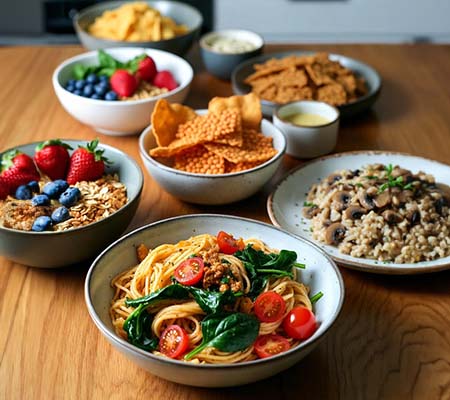
Personalised nutrition becomes significantly more accessible in 2026. Instead of diets being designed around general guidance, many consumers now receive suggestions from wearable devices or apps that track sleep quality, blood glucose responses, stress markers, and gut activity.
This doesn’t mean every meal will be engineered. It simply means diners expect more clarity. They look for:
- straightforward nutrient information
- dishes grouped by effect (energy, focus, digestion, calm)
- menus that acknowledge that different people need different things
For foodservice, this leads to more deliberate menu planning. Dishes that pair fermented vegetables with wholegrains, or leafy greens with omega-rich proteins, move from “healthy options” to core menu items. The trend demands reliability, so kitchens often depend on consistent portioning tools, deep mixing bowls, and sturdy prep equipment to keep these dishes repeatable.
Mood Food and the Gut–Brain Connection
Public understanding of the gut–brain connection has grown, and 2026 is the year this shows up clearly in everyday buying habits. Foods that support digestion, mood stability, or cognitive focus are no longer presented as specialist items. They appear throughout mainstream menus and product ranges.
Common examples include:
- Coffee blended with mushroom extracts like lion’s mane
- Drinks containing ashwagandha, maca, or other adaptogens
- Fermented staples such as kimchi, miso, kefir, and sauerkraut
- Snacks fortified with live cultures
- Loose-leaf teas designed for calm or clarity

Cafes and restaurants serving these items often adopt more grounded presentation styles, with loose-leaf tea strainer and small lidded teapots for slow-steeping drinks. These details match the slower, more intentional pace of consumption that mood-focused eating encourages.
Sustainability Becomes Strategy: Hyper-Local, Circular, and Technological
The Rise of Hyper-Local Sourcing
The question “Why is it important to buy locally sourced ingredients?” now has very practical answers. Shorter supply chains are more resilient, ingredients are fresher, and diners feel more confident when they know where their food comes from.
Hyper-local sourcing extends beyond traditional farm-to-table ideas. It now includes:
- Rooftop honey production
- Micro-mills grinding regional grains
- Community gardens
- Regional flours used in small bakeries
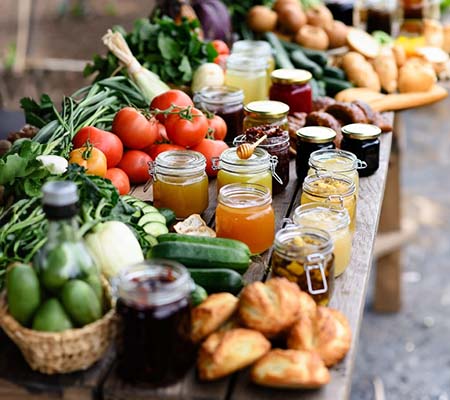
Chefs highlight these producers not as a storytelling device but because diners respond to transparency. Many restaurants display local produce in shallow crates or market-style baskets at the front of the dining room. It’s a simple way to signal where the food comes from.
Circular Cooking and Upcycled Ingredients
Zero-waste cooking has shifted from a sustainability slogan to a practical strategy. Rising ingredient costs make it essential to use every part of each item. As a result, circular cooking is becoming standard.
Examples include:
- Turning beetroot stems or carrot tops into sauces and dressings
- Converting stale bread into crumbs or coatings
- Using mushroom offcuts to create deep stocks
- Fermenting vegetable trims rather than discarding them
- Baking with spent grains from breweries
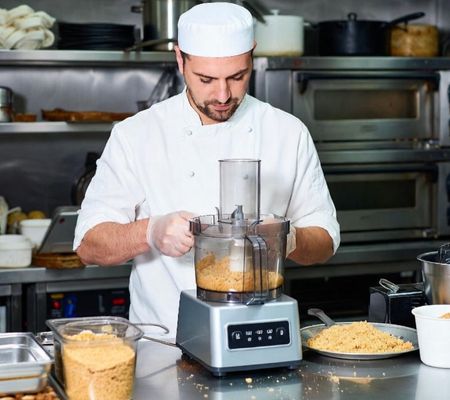
This type of cooking requires organisation. Large stockpots, sharp knives, vacuum packing for storage, and deep prep containers help kitchens manage offcuts effectively without losing track of food safety.
Alternative Proteins Get Clearer Categories
The conversation around alternative proteins becomes more structured in 2026. Consumers are moving away from products designed to imitate meat and towards options that have a clear purpose and identity.
Three directions become more defined:
1. Wholefood Plant Proteins
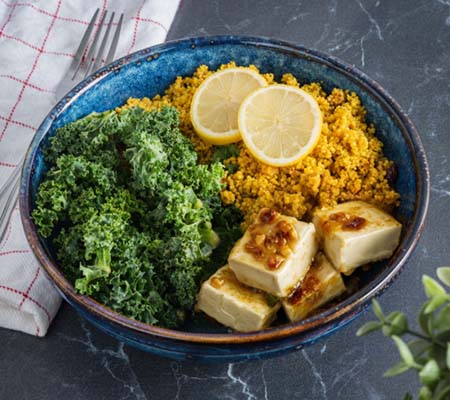
Beans, lentils, chickpeas, tofu, tempeh, nuts, seeds, and a wide range of mushrooms gain popularity because they are versatile, affordable, and nutrient-dense. They stand on their own rather than acting as substitutes.
2. Cultivated (Lab-Grown) Meat
Cultivated meat reaches more accessible price points. It appeals to diners who want the flavour and experience of meat but prefer a lower environmental impact. It sits alongside plant-forward eating rather than replacing it.
3. 3D-Printed Structure
There’s confusion around 3D-printed meat, so clarity matters. The printing process shapes the texture and structure of cultivated or hybrid proteins. It isn’t designed to imitate meat in a deceptive way; it creates a realistic bite and mouthfeel. The goal is engineering, not imitation.
Wholefood proteins grow because people want simplicity, while cultivated and structured proteins grow because they offer a lower-impact alternative for those who still want meat-like experiences.
Flavour, Experience, and the New Pleasure Economy
The Rise of Swicy and the Sophistication of Bitter
Swicy, the sweet-spicy combination, remains one of the most influential flavour profiles. Hot honey, chilli-enriched chocolate, and fruit-chilli cocktails continue to appear across menus because they deliver contrast without overwhelming heat.
At the same time, bitter flavours are returning. Chicory, radicchio, grapefruit, wasabi, matcha, and bitter melon give dishes depth and balance. Younger diners, in particular, are moving away from overly sweet profiles and towards more complex taste experiences.
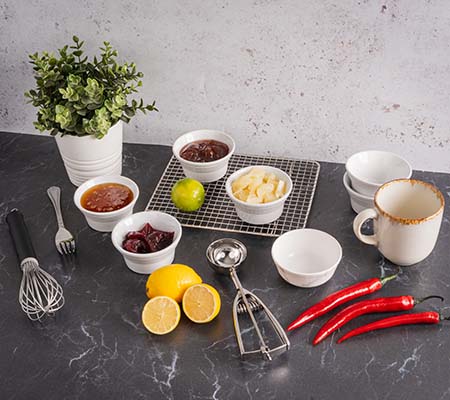
Small ramekins, tasting bowls, and small plates are common for these flavours because they encourage exploration without committing to a full portion.
Cultural Authenticity Over Fusion
Fusion food hasn’t disappeared, but diners want clearer boundaries. They’re more interested in authentic cuisine that respects regional techniques and ingredients. Korean, Malaysian, Peruvian, and Brazilian cooking all continue to grow because they offer depth, comfort, and variety.
This approach supports the renewed interest in small plates. Diners prefer trying several dishes in their original form rather than eating one adapted for an international audience. The shift influences plating choices: copper pans, stoneware dishes, and traditional handis appear more frequently because they suit these cuisines naturally.

Premium Frozen Food and the Technological Shift
The frozen category evolves quickly in 2026. New flash-freezing technology preserves flavour and texture far better than chilled storage, and rising household costs make high-quality frozen meals more attractive.
Premium frozen products now include:
- Artisanal pizzas
- Restaurant-style curries
- Sous-vide meats
- Korean dumplings
- Malaysian laksa bases
- Brazilian cheese breads
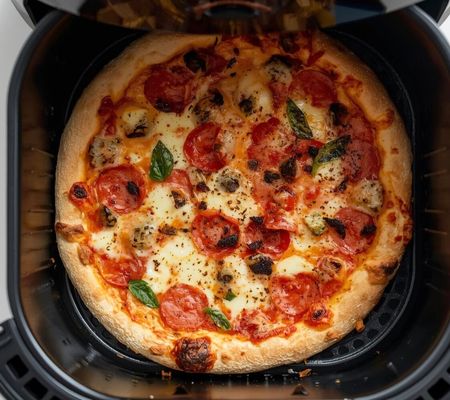
Many shoppers also want to know “Can you cook frozen food in the airfryer?”, which encourages brands to design meals that crisp well without drying out. Home cooks benefit from freezer-safe containers, oven-to-table bakeware, and trays that work in both ovens and airfryers.
Industry Action Plan: How Restaurants and Caterers Respond
Operationalising Health on Menus
Functional eating changes menu layout. Instead of hiding nutritional benefits in the description, restaurants begin listing simple markers such as:
- high-protein
- high-fibre
- gut-friendly
- adaptogen-based
Some restaurants introduce short menu pathways. For example, dishes that support focus, digestion, or energy. Reliable portioning tools, and deep bowls help kitchens prepare these dishes consistently.
Sourcing and Waste Strategy
Hyper-local partnerships remain central. Menus that name specific suppliers feel more trustworthy, and diners are willing to pay slightly more for clearly sourced ingredients.
Waste reduction becomes part of cost management.
Kitchens rely on:
- Vacuum sealing
- Whole-ingredient cooking
- Circular recipe development
- Precision stock rotation
Large stockpots, vacuum bags, food-safe buckets, and sharp prep knives become essential in these workflows.
Hybrid Dining and the New Convenience
Restaurants increasingly operate as both dine-in spaces and retail brands. The frozen upgrade makes it commercially viable to offer ready-to-heat versions of house favourites, while meal kits allow customers to recreate specific cuisines at home.
Sectioned trays, stackable containers, and protective packaging support this shift without adding complexity to back-of-house operations.
A Year of More Intentional Eating with Cooksmill
The defining food trends of 2026 revolve around intention. People want meals that support their wellbeing, ingredients they trust, and flavours that feel grounded and meaningful. Whether the focus is gut health, hyper-local sourcing, small-plate dining, or the rise of premium frozen options, the direction is the same: food that feels real, useful, and thoughtfully made.
Cooksmill offers all the right tools to start 2026 in the right direction, no matter what trend you tackle first. For home cooks, that might mean trying fermentation or exploring a cuisine you haven’t cooked before. For diners, it may involve choosing restaurants that source locally or specialise in regional dishes.