Whether you're a professional chef or a home cook, choosing the right frying pan and knowing how to care for it can make a real difference to your cooking. Choose the wrong material for the job, or neglect the care it needs, and even the best pan will let you down. Get it right, and a good frying pan can last years, even decades.
At Cooksmill, we supply commercial-grade cookware to kitchens across the UK, and frying pans are one of the most common topics our customers ask us about. Whether you're equipping a commercial kitchen, running a busy restaurant, or simply upgrading your cookware at home, the questions are often the same. Which pan is right for me? How do I use it properly, and how do I keep it in top condition?
This guide answers all of that and more, covering every type of frying pan we stock, along with practical care and cleaning advice to help you get the most from your cookware.
The Different Types of Frying Pans and When to Use Them
Before diving into care and cleaning, it helps to understand the materials available, since each one behaves differently in the kitchen.
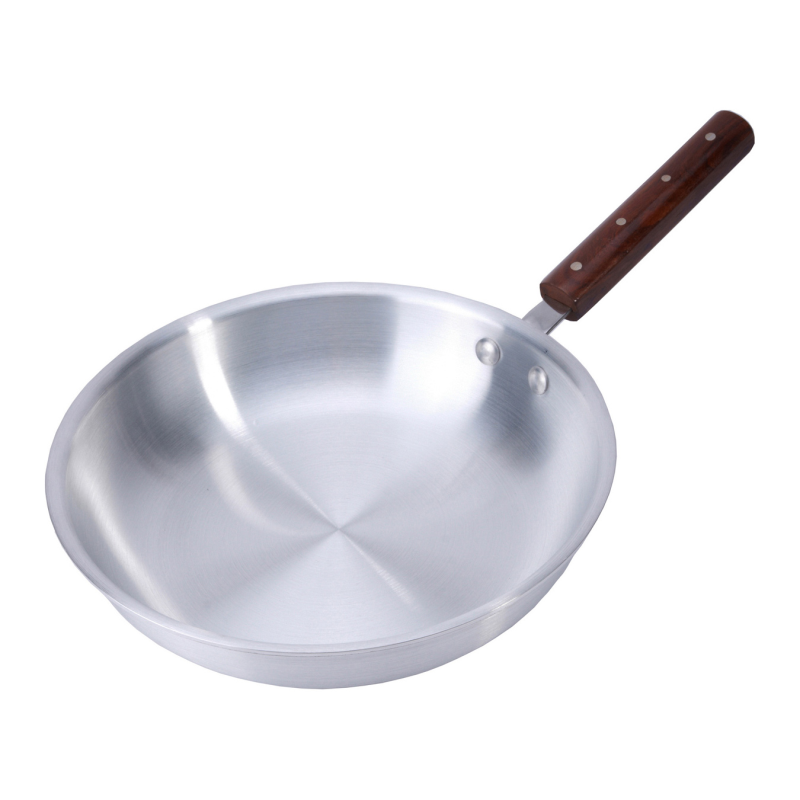
Aluminium Frying Pans
Aluminium is one of the most popular materials in commercial kitchens, and it's easy to see why. It heats up faster than almost any other metal, making it perfect for fast-paced environments where time is money. Aluminium is also lightweight, which reduces fatigue during long service. Our aluminium frying pans come with wooden, moulded, or metal handles, an important consideration, since plain aluminium handles can get very hot during use.
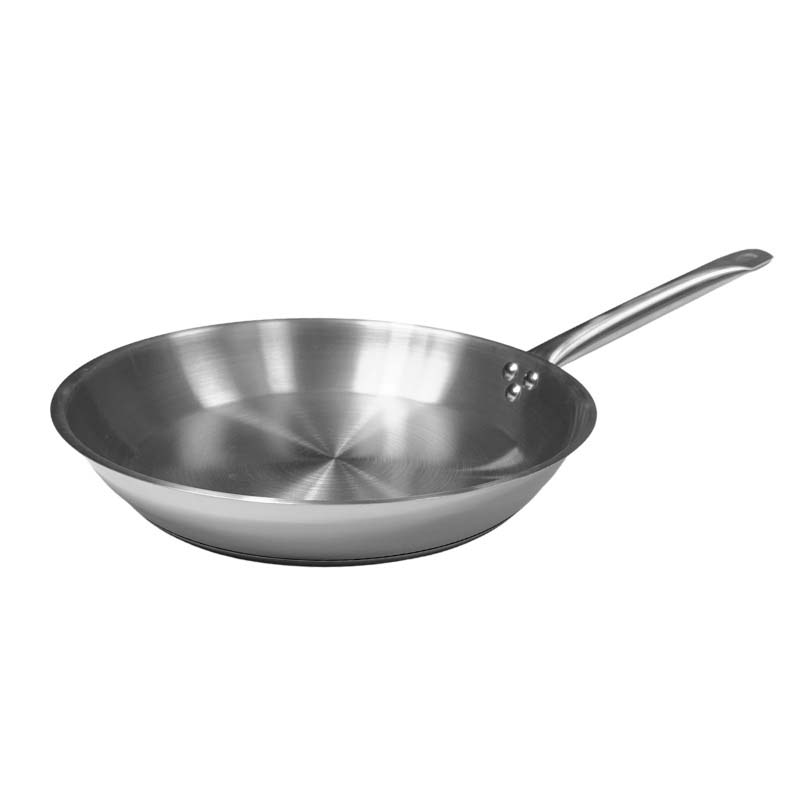
Stainless Steel Frying Pans
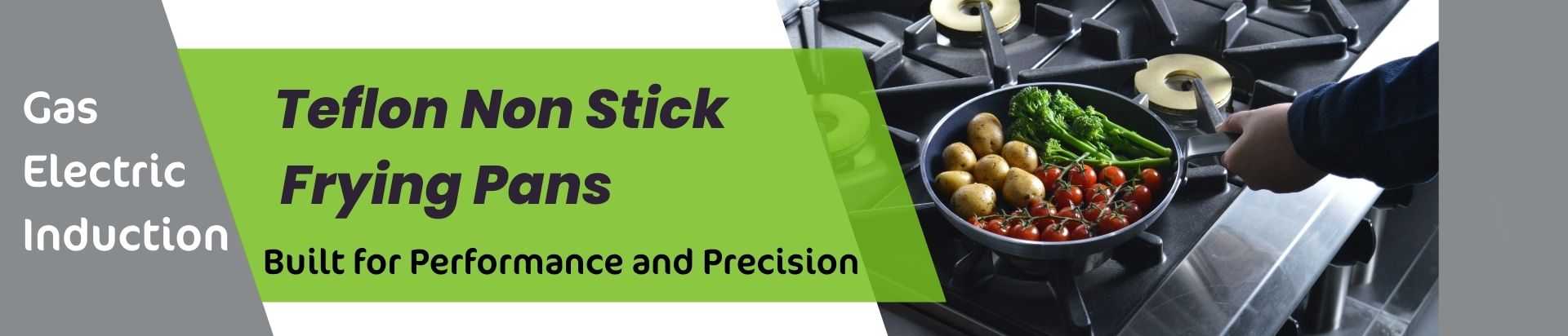
Stainless steel is durable, non-reactive, and gives excellent browning results. It doesn't conduct heat as quickly as aluminium, but it distributes it more evenly, reducing hotspots. Our stainless steel frying pans are suitable for induction, gas, and electric hobs, and they're a go-to choice for both home kitchens and commercial operations. Many feature non-stick coatings too, giving you the best of both worlds.
Non-Stick Frying Pans (Including Teflon Induction Pans)
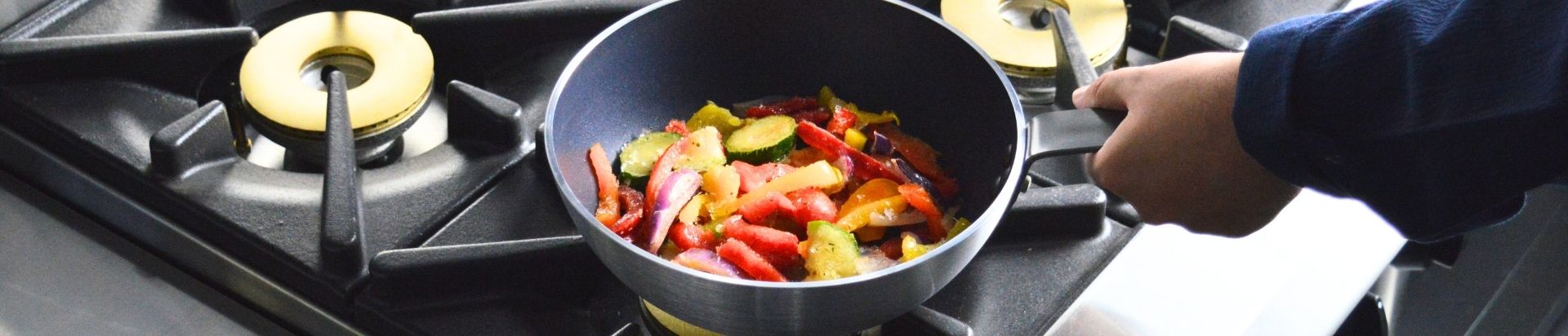
Non-stick pans, including those with PTFE (Teflon) coatings, are ideal for cooking delicate foods like eggs, fish, and pancakes where sticking is a concern. They require less oil, cook faster, and are far easier to clean. Our non-stick frying pans include induction-compatible options, colour-coded catering pans, and professional-grade models built for high-volume use.

Black Iron Frying Pans
Black iron pans occupy a sweet spot between cast iron and stainless steel. They're lighter than cast iron but develop many of the same non-stick properties over time as they build up a natural patina with use. The more you cook with a black iron pan, the better it performs. Our black iron frying pans are a popular choice with chefs who want responsive, versatile performance without the weight of full cast iron.
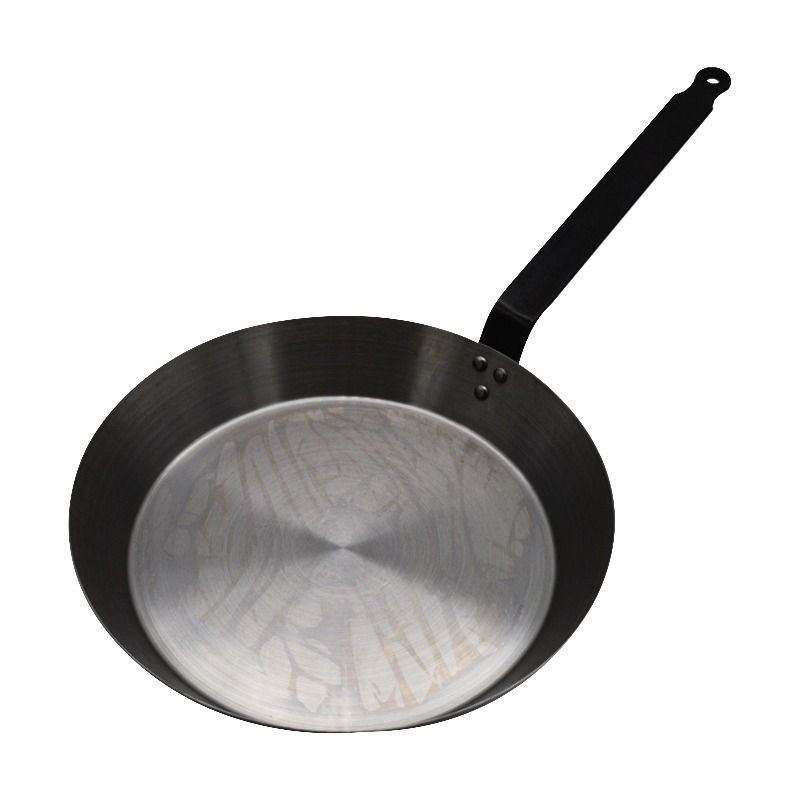
Paderno Black Steel Frying Pans
Paderno is a brand trusted by professional chefs around the world, and their black steel frying pans are a standout in our range. Made from high-quality black steel, these pans offer excellent heat distribution and retention, an ergonomic handle design, and the kind of durability you'd expect from a pan used in Michelin-starred kitchens. Available in sizes from 20cm to 32cm, the Paderno black steel range is a serious investment in cooking performance.
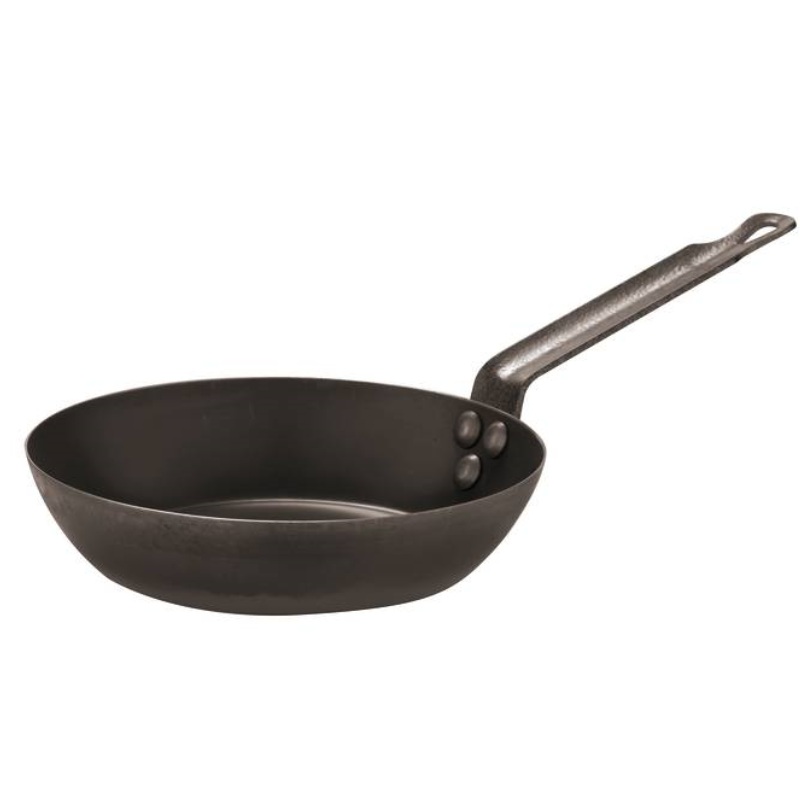
Griddles and Skillets (Including Cast Iron)
Our griddles and skillets range includes ribbed grill pans, flat griddle plates, and cast iron skillets. These are ideal for achieving char lines on meat and vegetables, cooking large batches of pancakes or burgers, or bringing a restaurant-quality sear to your cooking. Cast iron pieces in this range can move seamlessly from the stovetop to the oven, which makes them incredibly versatile.
What Is a Skillet Frying Pan?
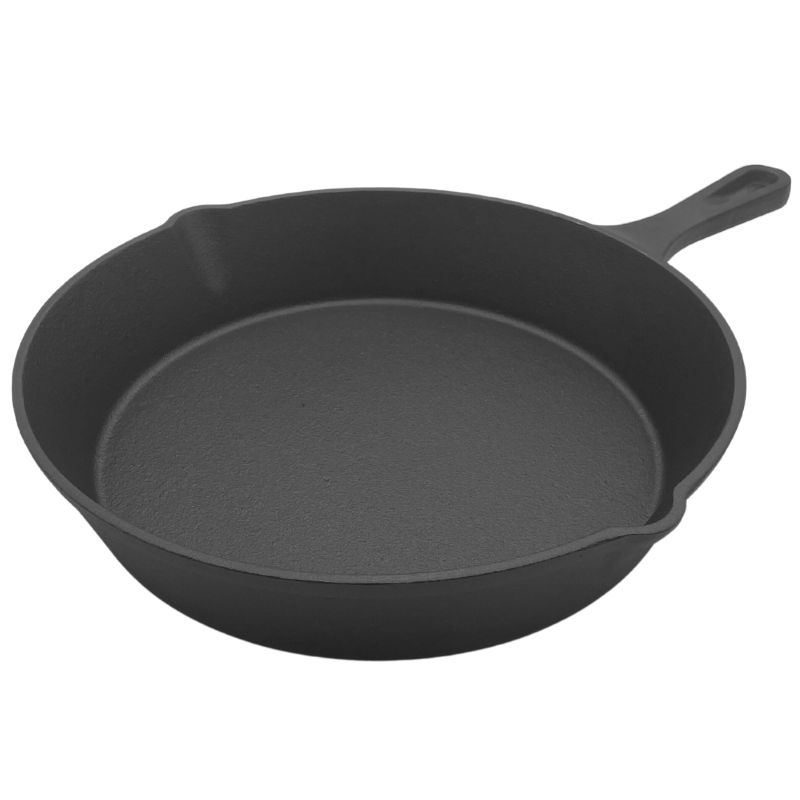
You may have seen the terms "skillet" and "frying pan" used interchangeably, and for the most part, they refer to the same type of cookware: a flat-bottomed pan with low, flared sides and a long handle. However, in professional kitchens, there are subtle differences worth knowing.
A frying pan typically has very shallow, gently sloped sides and is designed for tasks like sauteing, frying eggs, or cooking fish. A skillet tends to have slightly higher, straighter sides, making it better suited for dishes that need a little more containment, such as pan sauces or shallow braising.
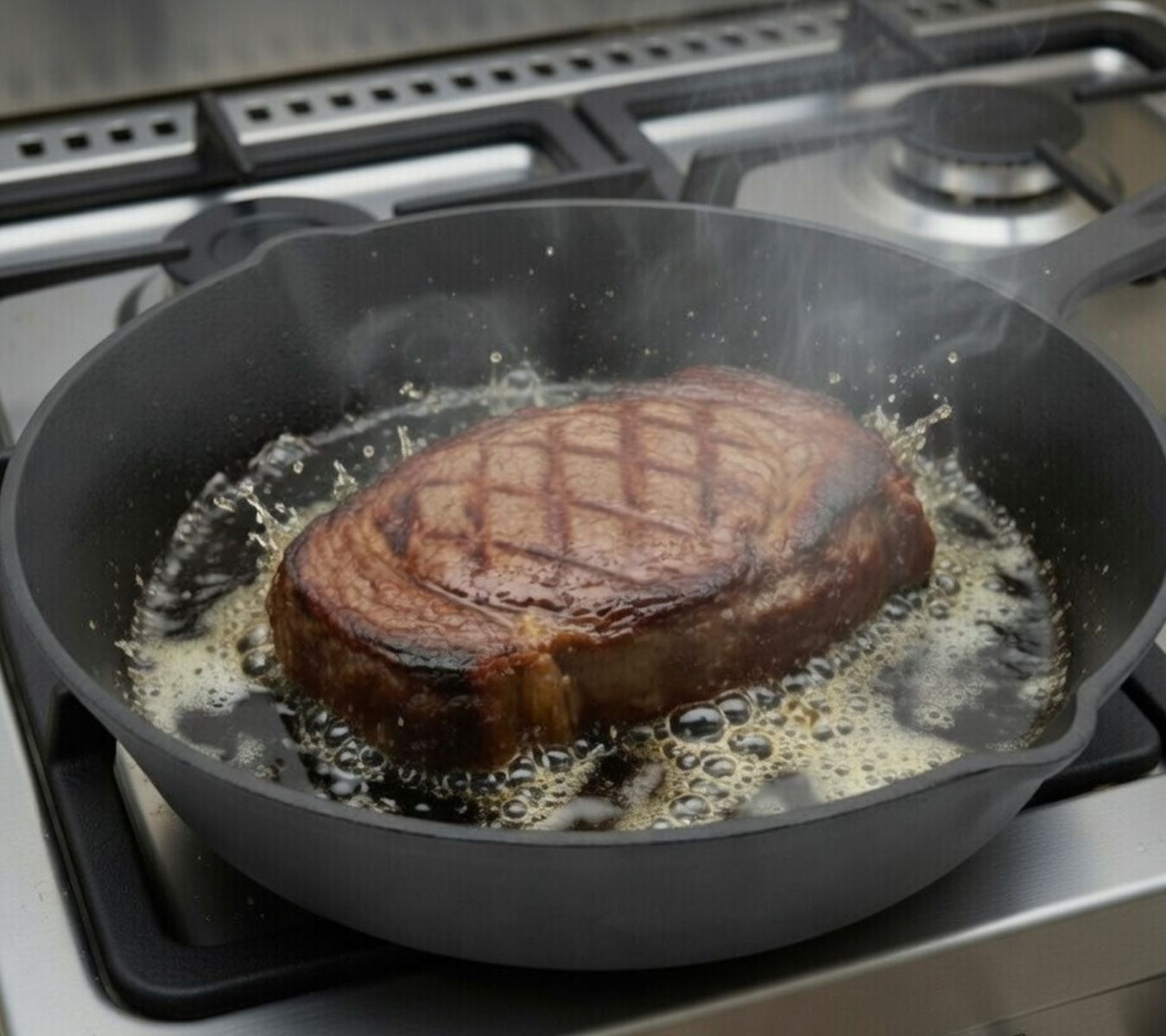
The term "skillet" is most commonly associated with cast-iron cookware. Cast iron skillets are thick, heavy, and retain heat exceptionally well, which is why they're a favourite for searing steaks or getting a deep, even crust on proteins. At Cooksmill, you'll find cast iron options within our griddles and skillets range, including hanging skillets and ribbed griddle pans. Each one is built for high-heat cooking and designed to last a lifetime.
How Do You Treat a Cast Iron Frying Pan?
Cast iron skillets require a bit more care than other pans, but that investment pays off well, especially since a well-maintained cast iron pan can last generations.
Seasoning is the most important concept. This refers to building up layers of polymerised oil on the pan's surface, which creates a natural non-stick coating. To season a new or bare cast-iron pan:
- Wash it with warm soapy water (this is the one time soap is acceptable) and dry it completely.
- Apply a thin, even layer of a neutral oil (flaxseed, vegetable, or shortening) all over the pan, including the handle and underside.
- Place it upside down in an oven at around 200°C for an hour, then let it cool in the oven.
- Repeat this process 2–3 times for a strong initial seasoning.
After that, avoid harsh detergents, never soak a cast-iron pan in water, and dry it thoroughly after every wash. A light coating of oil after drying will keep the seasoning strong. The more you cook fatty foods like steak or sausages in it, the better the seasoning becomes.
How Do You Clean a Frying Pan? (General Guidance)
The right cleaning approach depends entirely on the material, but there are a few universal rules:
- Never leave a frying pan to soak for extended periods, regardless of material. Prolonged water exposure causes warping, rust, or damage to coatings.
- Avoid abrasive scouring pads on non-stick or polished stainless surfaces, as they scratch and damage the cooking surface.
- Cool the pan before washing. Plunging a very hot pan into cold water can cause thermal shock, warping the base and ruining the flat bottom needed for even heat distribution.
- For everyday cleaning, hot water and a soft sponge or cloth are usually enough.
How Do You Clean Frying Pan Bottoms?
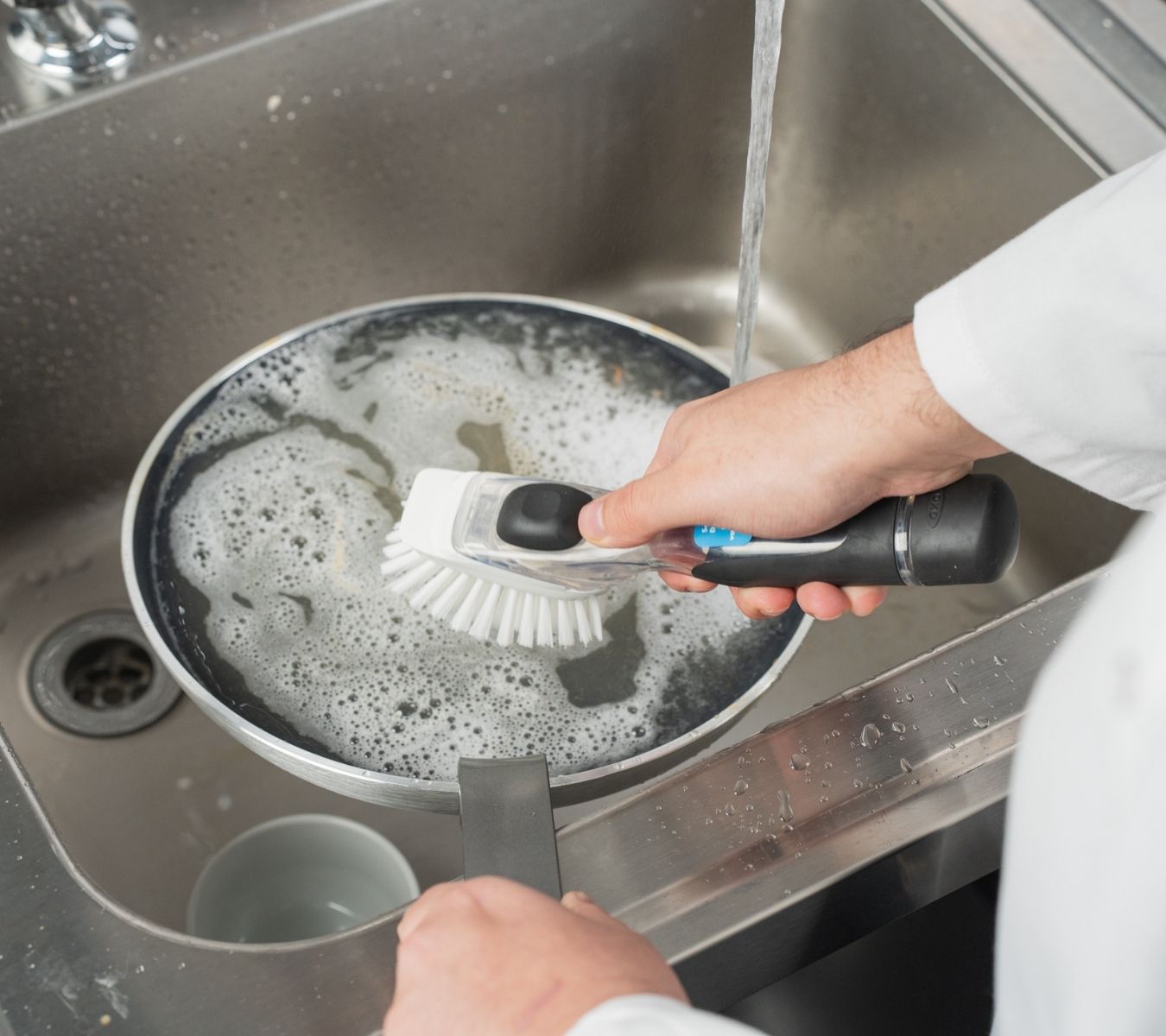
The outside and bottom of frying pans are often the most neglected and the hardest to clean, especially if grease has carbonised from repeated use on gas hobs.
For stainless steel and aluminium pan bottoms, a paste made from bicarbonate of soda and a small amount of washing-up liquid works well. Apply it, leave it for 10–15 minutes, then scrub in circular motions with a non-abrasive pad.
For black iron and cast iron pan bottoms, avoid harsh chemicals. If there's built-up residue, use coarse salt as a mild abrasive and scrub with a stiff brush or scrubber. Dry thoroughly and re-oil after cleaning.
For non-stick pan bottoms, stick to gentle cleaners and soft cloths. Aggressive scrubbing on the outside can still scratch or weaken the pan's exterior finish and affect its stability on the hob.
How Do You Use Stainless Steel Frying Pans?
Stainless steel pans can be intimidating at first, as food has a tendency to stick if you don't know the right technique. Here are the key tips for getting great results:
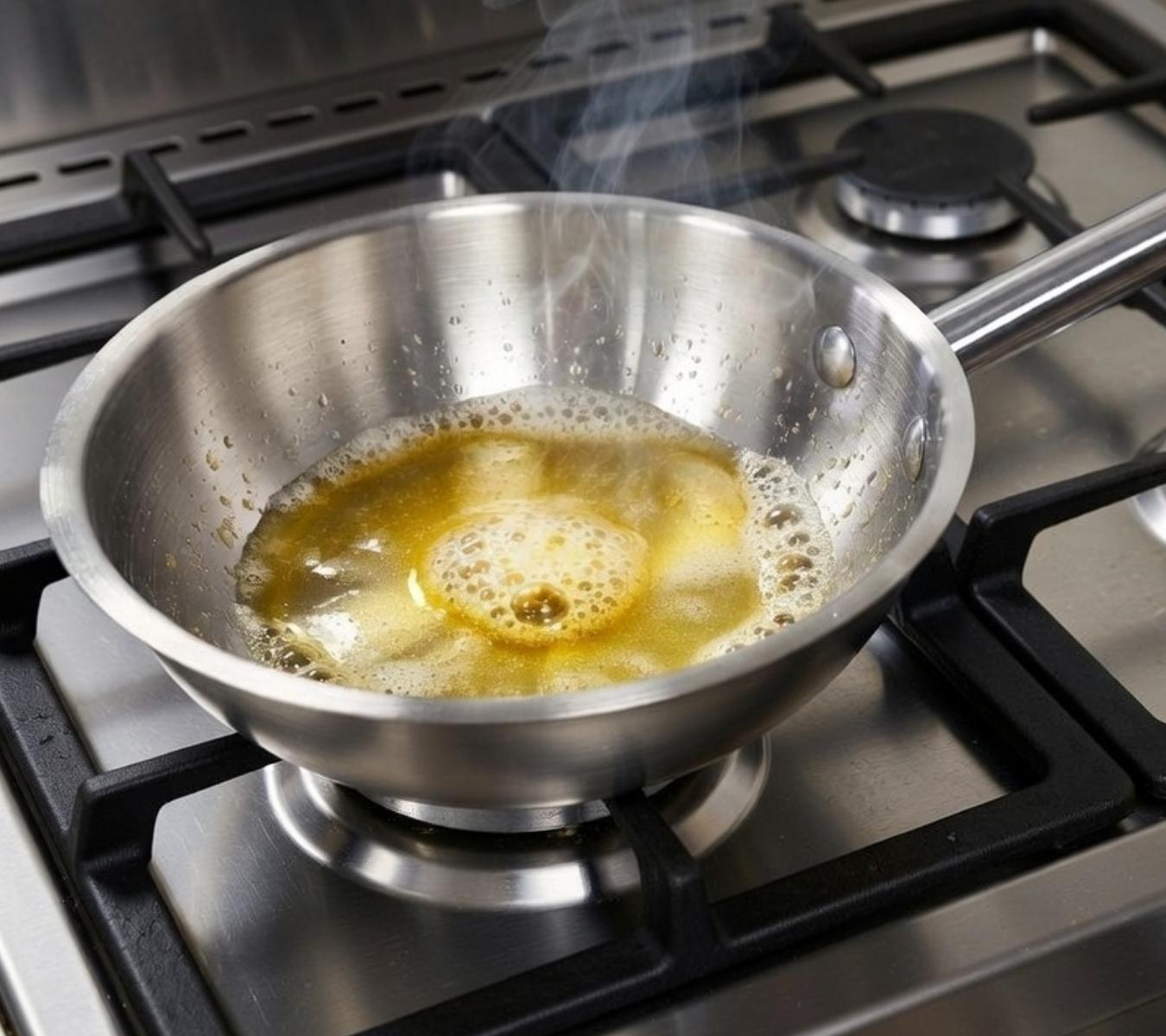
- Always preheat the pan properly. Place your stainless steel pan on a medium heat for 1–2 minutes before adding any fat. You can test readiness with the "water droplet test": flick a few drops of water into the pan. If they bead up and roll around without evaporating immediately, the pan is at the right temperature. This is called the Leidenfrost effect, and it means the surface is hot enough to prevent sticking.
- Use enough fat. Add your oil or butter after preheating. You need enough to coat the surface. Stainless steel doesn't have the non-stick properties of coated pans.
- Don't move food too soon. Proteins like chicken or steak will naturally release from the pan when they've developed a crust. If they're sticking, they're not ready to be turned yet. Give them another 30–60 seconds.
- Deglaze for easy cleaning. After cooking, add a small amount of liquid (water or stock) to the hot pan. The residue will lift almost immediately, making cleaning much easier.
Stainless steel pans are also excellent for oven finishing. They can typically handle temperatures up to 240°C or higher, but always check the manufacturer's guidance for the specific model, as the handle material can vary.
How Do You Clean Non-Stick Frying Pans?
Non-stick pans are the easiest to clean when treated correctly. Here's how to keep them in top condition:
- Use warm water and a soft sponge. In most cases, this is all you need. The non-stick coating means food residue wipes away easily.
- Never use metal scourers or abrasive pads. These scratch the coating, which damages its performance and can add particles to your food. Use silicone, nylon, or soft sponge tools only.
- Hand wash where possible. While some non-stick pans can be dishwasher-safe, repeated dishwasher cycles are harsh on coatings. Hand washing extends the life of the pan significantly.
- Avoid high heat with non-stick pans. Teflon coatings can begin to degrade at very high temperatures. Always use low to medium heat, and never preheat an empty non-stick pan on a high flame.
- Briefly soak if needed. If food has stuck (usually a result of overheating), fill the pan with warm soapy water and leave it for 15–20 minutes. Then wipe clean with a soft cloth.
When your non-stick coating starts to visibly peel, flake, or scratch heavily, it's time to replace the pan. Browse our full selection of non-stick frying pans when you're ready to upgrade.
Can I Put a Frying Pan in the Oven?
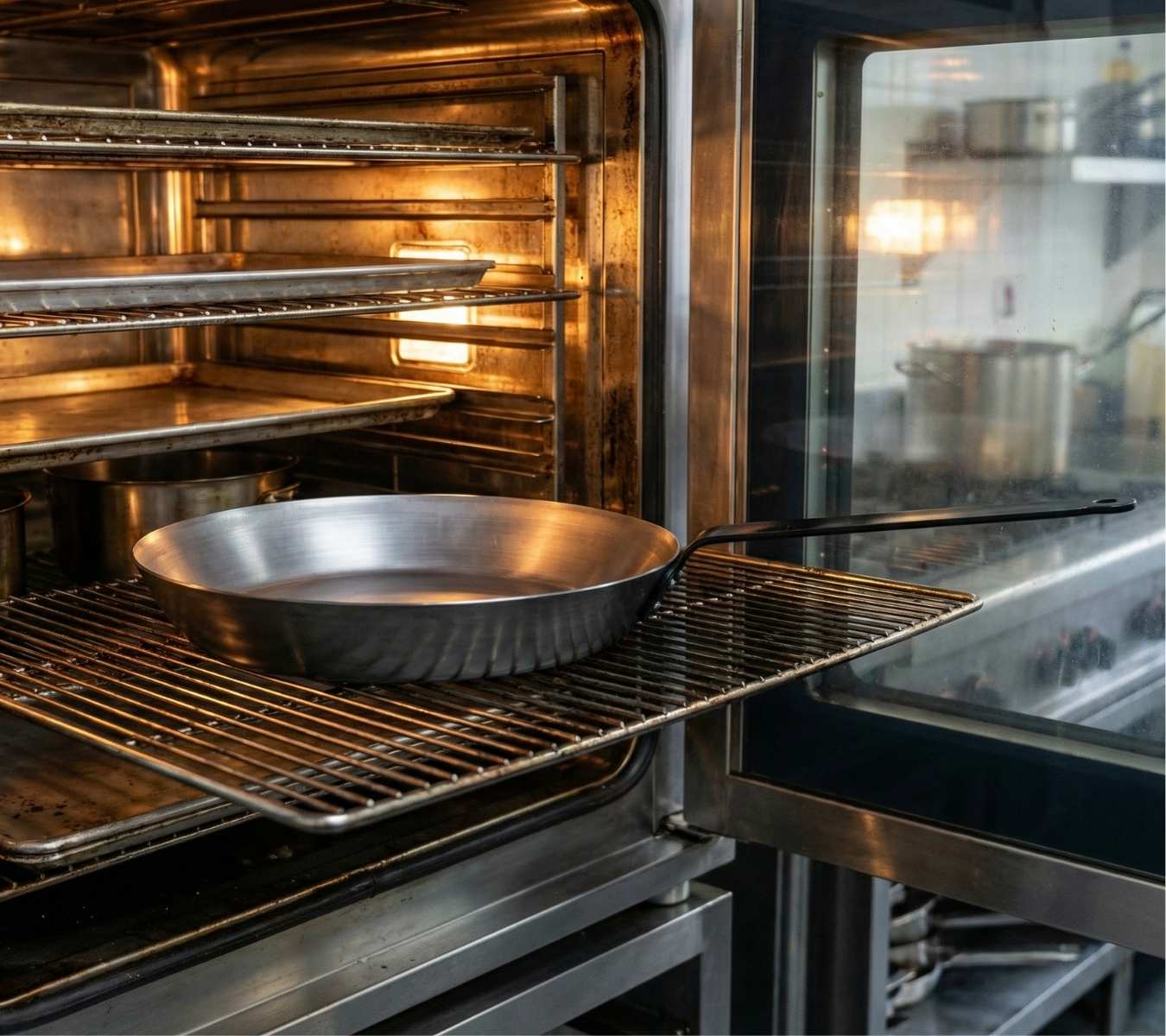
This depends on the pan and the material of the handle. If a pan has a plastic or wooden handle, don't put it in the oven. When buying a new pan with oven versatility in mind, look for all-metal construction and check the manufacturer's maximum temperature rating.
- Cast iron and black iron pans are almost always fully oven-safe, often to very high temperatures (200°C+). They're ideal for recipes that start on the hob and finish in the oven, such as frittatas, seared chicken thighs, or even steaks.
- Stainless steel pans with all-metal construction are generally oven-safe to high temperatures. Again, check the product specification as some handles use silicone that has lower heat limits.
- Aluminium pans can often go in the oven, but the handle material is the deciding factor. Wooden or plastic handles are not oven-safe. Look for models with stainless or cast aluminium handles if oven use is important to you.
- Non-stick pans are the most limited. While the pan body may be oven-safe, the non-stick coating and handle materials often aren't suitable above 180–200°C. That being said, many of our Teflon induction frying pans are safe to use in the oven.
- Paderno black steel pans from our range are designed for professional kitchen use and can transition from hob to oven, which is one of the reasons they're so valued in professional settings.
Which Frying Pan Is Right for You?
| Your Need | Recommended Pan |
|---|---|
| Fast cooking, high volume | Aluminium frying pans |
| Durability and even heat for all-around use | Stainless steel frying pans |
| Delicate foods and easy cleaning | Non-stick or Teflon induction pans |
| Professional performance that improves with use | Black iron or Paderno black steel |
| Searing, grilling, and oven use | Cast iron griddles and skillets |
| Induction hob compatibility | Induction-compatible non-stick and stainless steel |
FAQ (Quick Takeaways)
Question: What is a skillet frying pan?
Answer: A skillet is a type of frying pan with slightly higher, straighter sides than a traditional frying pan. It is commonly associated with cast iron cookware and is ideal for searing, browning and oven cooking.
Question: How do you clean a frying pan?
Answer: Allow the pan to cool before washing, avoid prolonged soaking, use non-abrasive cleaning tools and follow the care instructions for the specific pan material.
Question: How do you use a stainless steel frying pan without food sticking?
Answer: Preheat the pan properly, add oil after heating, and allow food to develop a crust before attempting to move or turn it.
Question: Can frying pans go in the oven?
Answer: Many cast iron, black iron and all-metal stainless steel pans are oven safe. Always check the manufacturer's guidance and handle materials before use.
Question: Which frying pan is best for everyday cooking?
Answer: Stainless steel is a versatile choice for durability and even heat distribution, while non-stick pans are ideal for delicate foods and easy cleaning.
Question: How do you treat a cast iron frying pan?
Answer: Season the pan with oil, avoid soaking in water, dry thoroughly after cleaning and apply a light coating of oil after use.
Question: How do you clean frying pan bottoms?
Answer: Use bicarbonate of soda paste for stainless steel and aluminium pans, and coarse salt with a brush for cast iron or black iron cookware.
Question: How do you clean non-stick frying pans?
Answer: Use warm water and a soft sponge, avoid metal scourers and wash by hand whenever possible to extend coating life.
All your Essential Frying Pans at Cooksmill
At Cooksmill, we've been supplying professional kitchens and home cooks across the UK for years, and every frying pan we stock is chosen for the same reasons: durability, heat efficiency, and real-kitchen performance. We don't stock pans that won't stand up to the demands of a busy service, which means when you buy from us, you're buying cookware that's built to last.
Whether you're after a lightweight aluminium pan for a fast-paced kitchen, a cast iron skillet for the perfect sear, or a reliable non-stick for everyday home cooking, you'll find the right pan in our range. Browse our full frying pan collection and griddles and skillets range online, with free delivery on orders over £60.