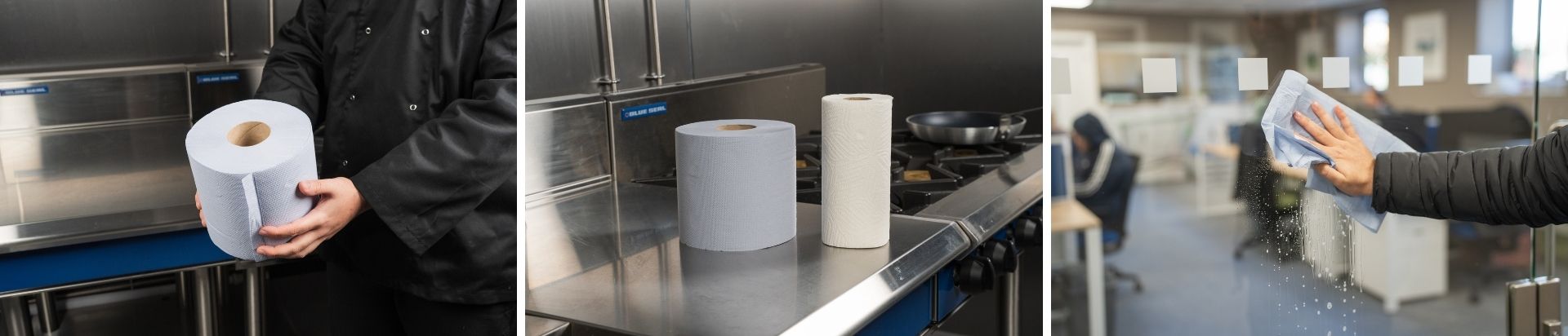
Blue roll is one of the most purchased hygiene items in the UK. It appears in commercial kitchens, automotive workshops, warehouses, clinics, schools and office buildings. Yet despite how common it is, most organisations buy it on autopilot.
Blue roll influences more than surface cleanliness. It affects cross-contamination control, operational efficiency, dispenser waste, sustainability reporting, and total consumable cost over time. If you manage facilities, catering operations or compliance, understanding blue roll properly is essential.
This guide breaks down what blue roll really is, how it performs across sectors, how to select it, and how to reduce hidden waste.
Why Blue Roll Became the Industry Standard
Before looking at specifications, it helps to understand why blue roll exists at all. Commercial environments need something that is:
- Disposable
- Highly visible
- Compatible with wall-mounted dispensers
- Affordable at scale
- Suitable for hygiene-sensitive areas
Reusable cloths require a constant washing system, and domestic kitchen paper is too small and expensive per metre. This is why blue roll became the practical middle ground. It is designed for high-volume, quick-response wiping tasks in environments where hygiene and speed matter.
The colour plays a deliberate role. Blue is rarely found naturally in food. In catering and food production environments, any torn fragments are easier to detect. This visual contrast supports foreign object control, ensuring loose pieces can be easily seen in food, a detail that matters during inspections.

What Blue Roll Actually Is
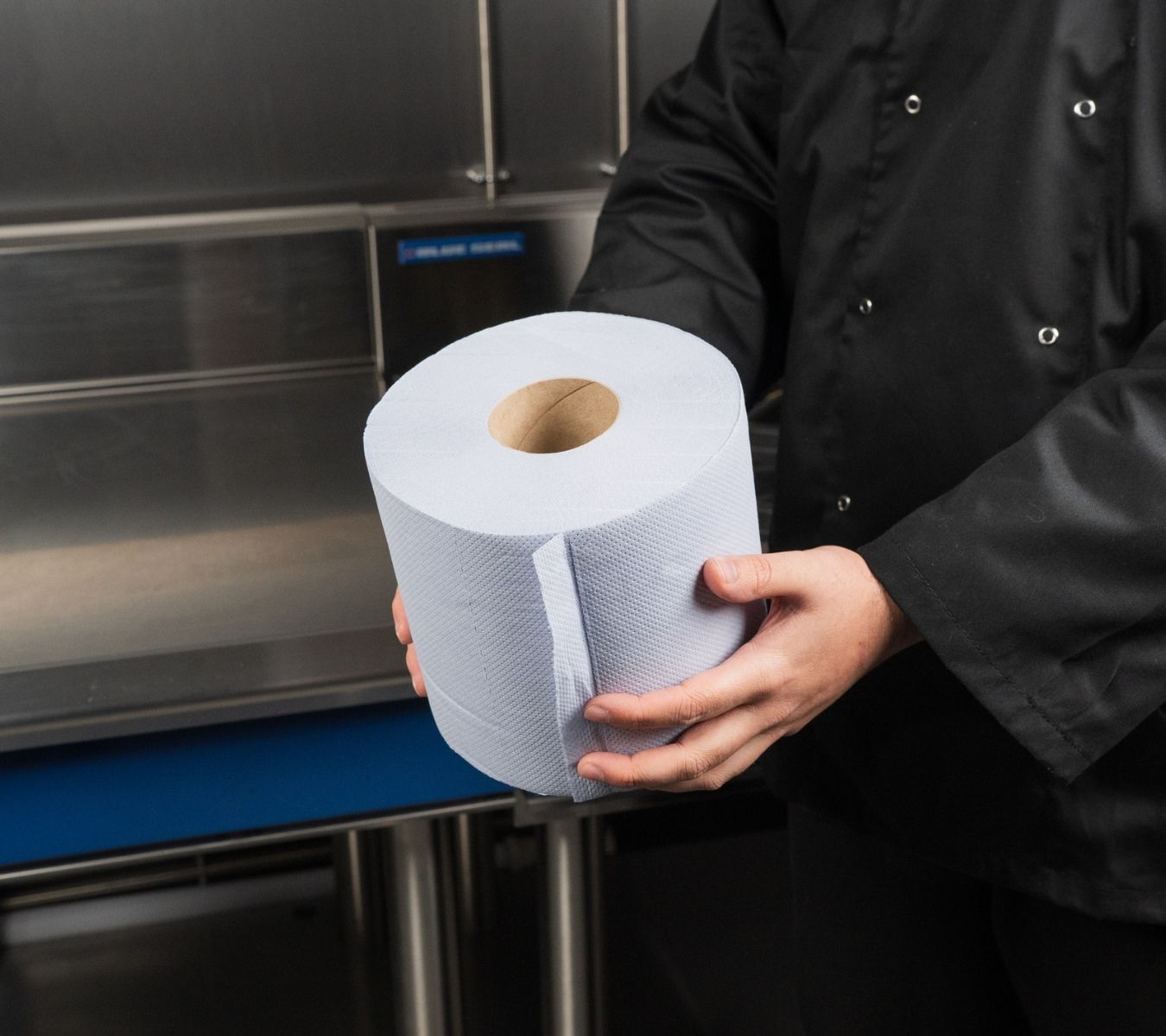
Blue roll is a commercial-grade paper towel roll typically supplied in a centre-feed format. In centre-feed rolls, the cardboard core is removed, and paper is pulled from the middle through a dispenser. This design reduces contamination from touching the outer roll and supports controlled dispensing.
Construction
Blue roll is manufactured from either:
- Recycled paper pulp
- Virgin pulp
- Or a blended fibre mix
The pulp is layered into sheets, known as ply, before being wound into a roll.
Common variations include:
- 1-ply blue roll
- 2-ply blue roll
- Jumbo rolls
- Centre-pull rolls
Its strength lies in everyday hygiene control, not specialist tasks.
The Hidden Cost of Treating Blue Roll as “Just Paper”
Most organisations compare the price per pack as consumables affect margins. But the real cost of blue roll is rarely the purchase price alone.
Hidden cost drivers include:
- Sheet doubling due to tearing
- Over-pulling from poorly fitted dispensers
- Mismatched roll diameter
- Staff misuse
For example, a cheaper 1-ply roll may appear cost-effective. But if staff pull twice as much to compensate for low absorbency, consumption increases. The savings disappear. Total cost of ownership matters more than headline price. This is where many purchasing decisions quietly fail.

Blue Roll vs Kitchen Paper Towels: A Commercial Comparison
It’s tempting to assume they’re interchangeable; however, this is not true.
Domestic kitchen paper towels are:
- Shorter in roll length
- Softer and designed for household use
- More expensive per metre
- Not optimised for dispenser systems
Blue roll is:
- Manufactured for commercial volume
- Typically longer per roll (with some going up to 360 meters)
- Built for wall-mounted controlled dispensing
- More economical in bulk quantities
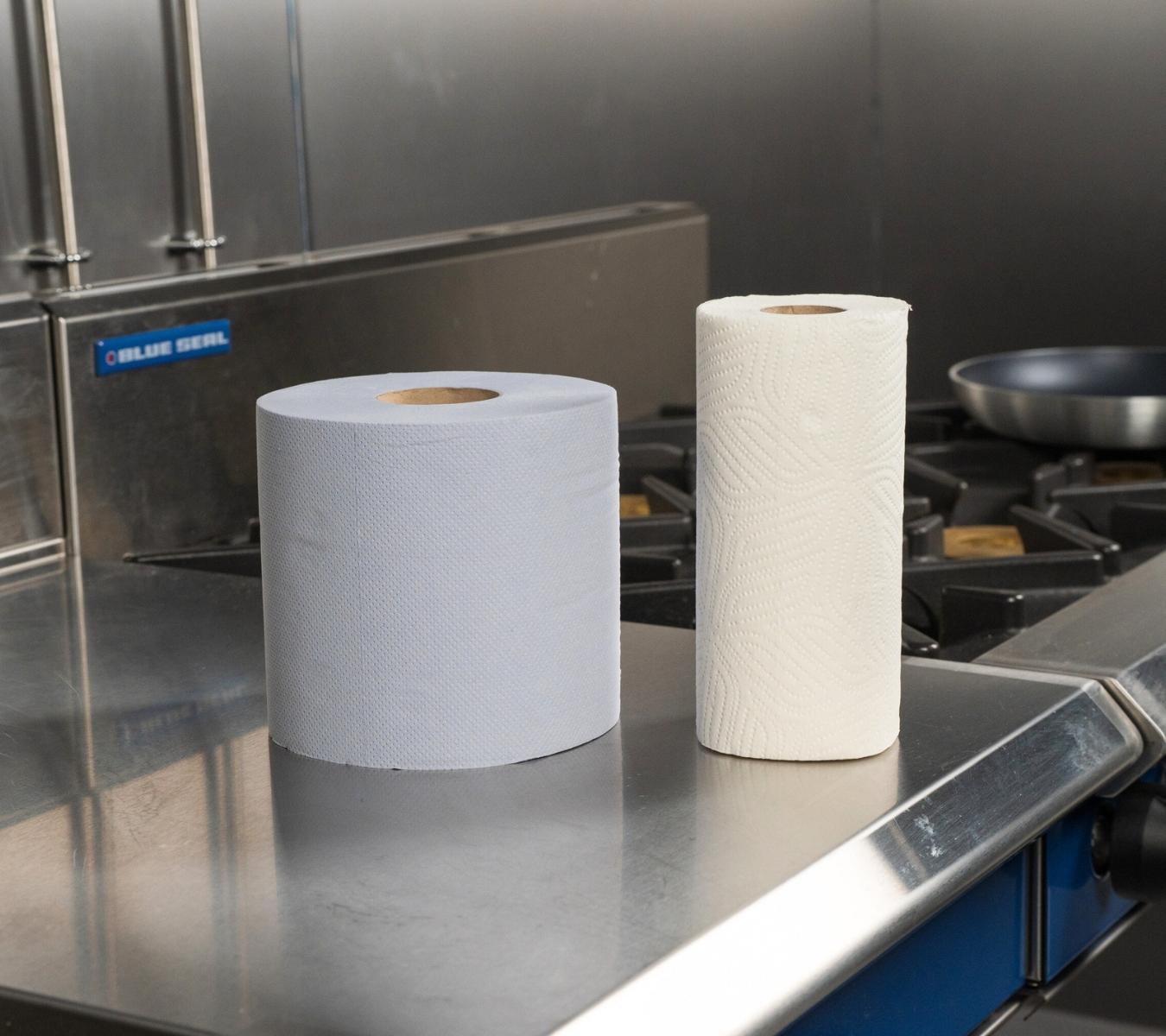
In hospitality environments, substituting kitchen paper for blue roll often increases cost without improving hygiene outcomes. For commercial kitchens and catering businesses, blue roll is the more operationally sound choice.
Blue roll is designed with a higher 'wet strength' to prevent it from tearing during heavy cleaning, and its distinctive colour ensures that any stray fragments are easily spotted before they can contaminate food. This durability, combined with a much lower cost-per-sheet, makes it the more resilient and budget-friendly choice for high-volume environments.
Blue Roll vs Microfibre Cloths: Hygiene vs Reusability
Microfibre cloths are effective for polishing and reusable cleaning systems. In office environments, they may be the more sustainable option.
However, in food preparation and healthcare settings, reusable cloths introduce regular washing requirements. If washing cycles are inconsistent or storage is poor, cross-contamination risk rises.
Blue roll removes the need for washing, as single-use disposal simplifies hygiene control. It may not always win on environmental footprint, but in regulated sectors, hygiene reliability outweighs reuse efficiency.
Where Blue Roll Performs Best
The versatility of blue roll and its uses means it’s a hygiene staple in a range of different sectors where cleanliness is a requirement. Its industrial-grade durability allows it to perform in high-pressure environments where domestic products would fail. By offering a reliable solution for both surface sanitisation and quick spill management, it provides a consistent hygiene standard across diverse settings.
Catering and Food Production
Blue roll is heavily used for:
- Surface wiping between tasks
- Spill absorption
- Hand drying in prep areas
- Cleaning equipment
The bright blue colour isn't just for show; it’s a vital safety feature that makes any stray scraps easy to spot during food prep. Opting for a 2-ply roll adds the extra muscle needed for wet spills. Ultimately, because it's tougher and more absorbent, you end up using fewer sheets, which keeps both your surfaces clean and your budget in check.
Automotive and Workshops
Ideal for:
- Degreasing and oil wipes
- Tool and part cleaning
- Hand cleaning
- Buffing surfaces
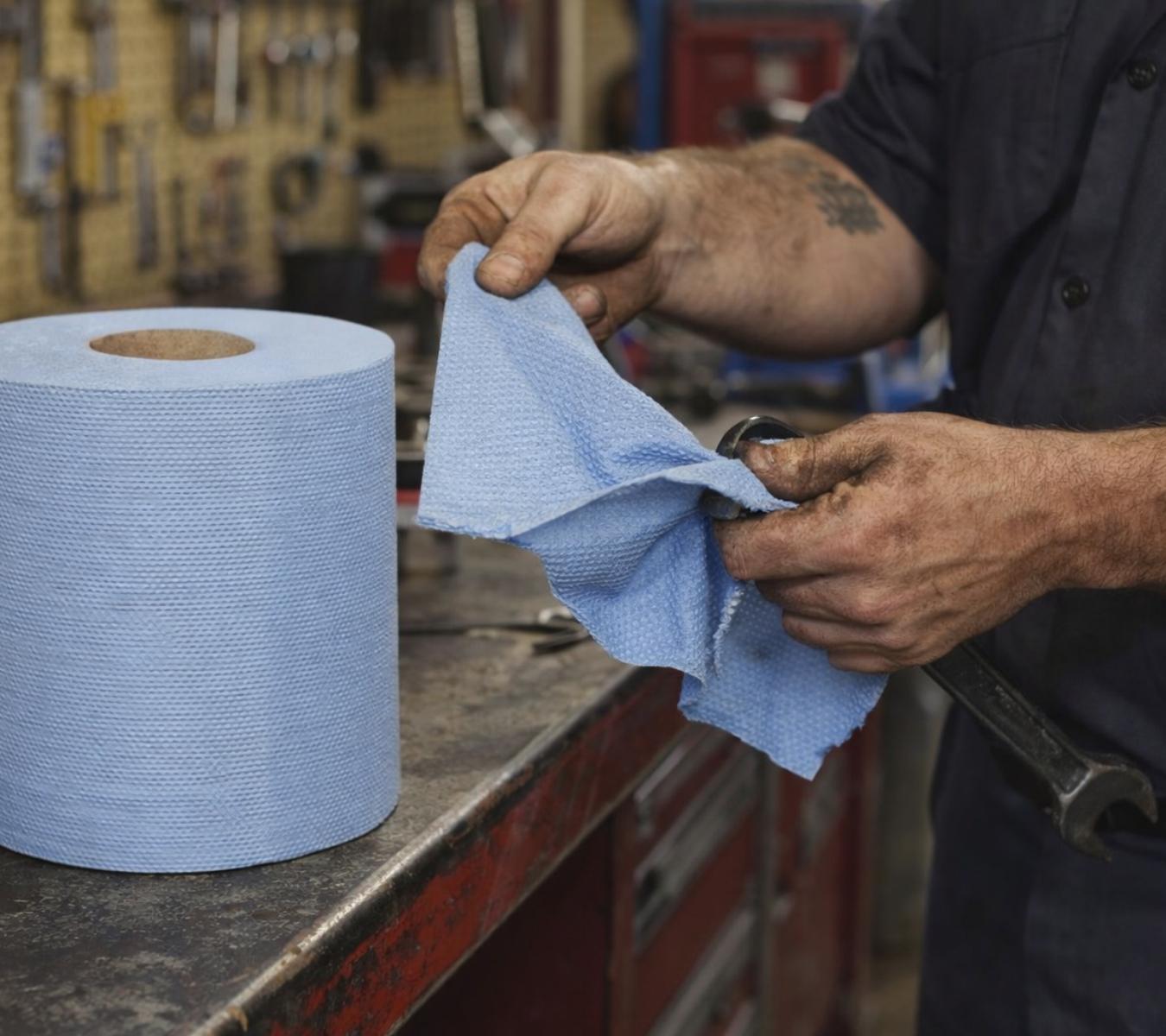
In a garage or workshop, blue roll is the ideal solution for mopping up oil and grease. Since toughness beats softness in a mechanical setting, these rolls are built to take a beating without falling apart. Plus, using jumbo-sized rolls means you aren't constantly stopping to find a new one, keeping things moving in busy, high-use environments.
Healthcare and Clinical Settings
Blue roll is commonly used for:
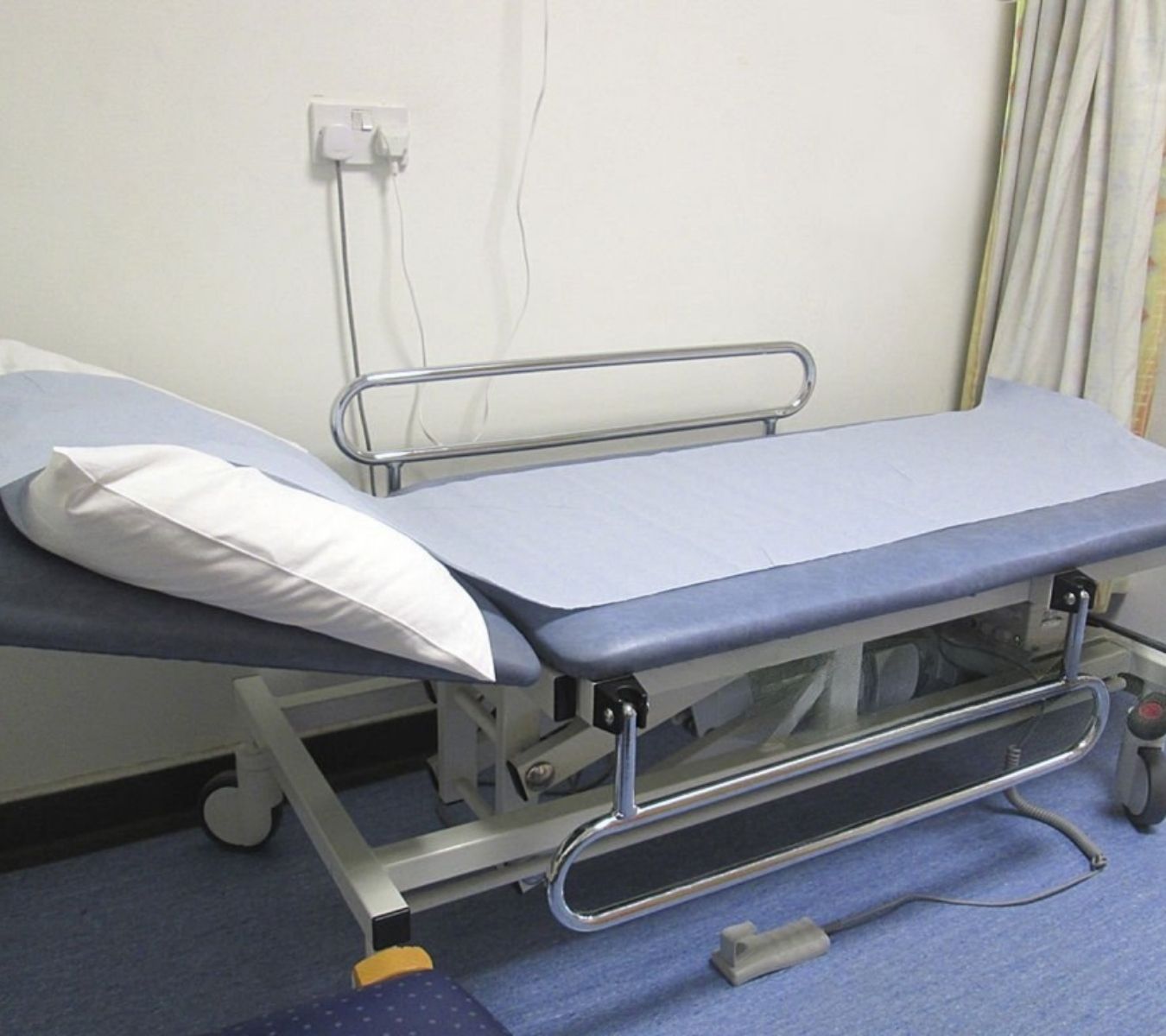
- Examination bed lining
- Surface wiping between patients
- Minor spill control
- Protecting equipment trays from contamination
Single-use paper is a big win for infection control as it can be used and quickly disposed of. There are no opportunities for cross-contamination to worry about. However, it is important to monitor your bins. Since it’s used in a clinical setting, it needs to be handled according to healthcare waste rules to keep everything safe and compliant.
Offices and Public Buildings
Commonly used for:
- Sanitising shared workstations and equipment
- Cleaning spills in communal kitchen areas
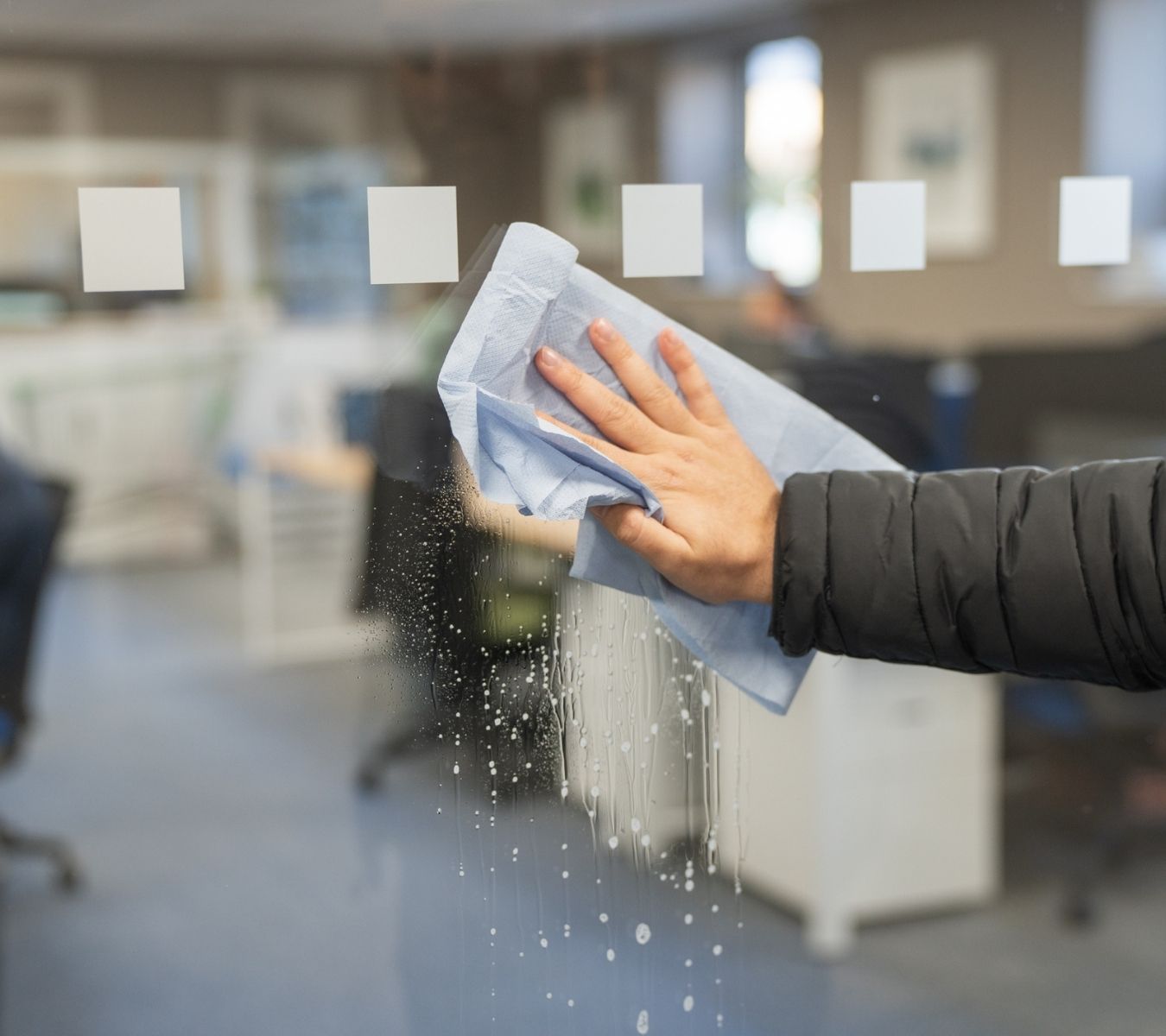
- General dusting and glass cleaning
- Providing a hygienic hand-drying alternative
In these environments, the priority is consistency rather than heavy-duty performance. Because the tasks are less demanding, using premium industrial rolls is often an unnecessary expense. By choosing a standard specification that matches the lower risk level, businesses can maintain a professional standard of cleanliness without overpaying for durability they don’t need.
How to Choose the Right Blue Roll for Your Environment
Don’t just opt for the cheapest blue rolls you find. To pick the right roll, you need to look at how your team actually uses it.
1. Prioritise Performance over Ply:
- 1-Ply: Use only for light dusting or glass polishing.
- 2-Ply: Necessary for liquids, grease, and heavy-duty scrubbing.
- If staff are "double-layering" sheets to get the job done, your 1-ply roll is actually costing you more in waste than a 2-ply roll would.
2. Audit the Cost-per-Metre:
- Never buy based on the price-per-roll. Manufacturers often "fluff" rolls with air to make them look larger.
- Always divide the price by the total linear metres to find the true value.
3. Verify Dispenser Compatibility:
- Check the diameter of the roll to ensure it fits inside your wall unit.
- For centre-feed dispensers, ensure the roll has a removable/perforated core so it can be pulled from the middle.
4. Check Regulatory Compliance:
- This ensures the length and sheet count on the label are 100% accurate.
- Using accredited, traceable supplies is vital for passing inspections in healthcare or food-service environments.
Sustainability: Recycled vs Virgin Fibre
Selecting blue roll is about balancing operational performance with your brand's environmental footprint. Here is how to navigate the eco-options without sacrificing the quality you need:
- Choose Your Fibre:
- Recycled: Best for the environment and reduces timber demand; perfect for general-purpose use.
- Virgin: Offers maximum strength and absorbency for heavy-duty scrubbing, but has a higher carbon footprint.
- The Recycling Myth: Be aware that contaminated blue roll cannot be recycled. Once it touches food, grease, or chemicals, it must go in the general waste.
- Verify Compostability: Never assume a paper roll is compostable. Many contain "wet-strength" chemicals that don't break down, so check the manufacturer's specs first.
Frequently Asked Questions About Blue Roll
Is blue roll food safe?
Many industrial blue roll products are suitable for food environments, but always check supplier specifications and accreditation.
What ply is best?
1-ply is generally suitable for light wiping and polishing, while 2-ply provides improved absorbency and durability for wet and heavy-duty cleaning tasks.
Can blue roll be recycled?
Contaminated blue roll is generally not recyclable. Disposal depends on usage and local authority guidelines.
Why is blue roll blue?
Blue improves visibility in food environments, reducing foreign object risk. This means it can be spotted well in food and catering environments.
Is blue roll better than kitchen paper towels?
Blue roll is designed for commercial use, typically offers greater roll length, controlled dispensing and better value for high-volume environments.
What industries commonly use blue roll?
Blue roll is widely used in catering, food production, healthcare, automotive workshops, offices, schools and public buildings.
All Your Blue Roll Essentials at Cooksmill
Choosing the right blue roll is more than just a box to tick. By looking past the initial price tag and focusing on cost-per-metre, ply performance, and dispenser compatibility, you can significantly reduce waste and stop overspending on "fluffed-up" rolls.
Beyond the performance specs, your choice reflects your brand’s commitment to sustainability. That’s why Cooksmill helps you to be mindful of these details, so you can ensure that your supply chain is as clean and efficient as the surfaces you’re wiping down.