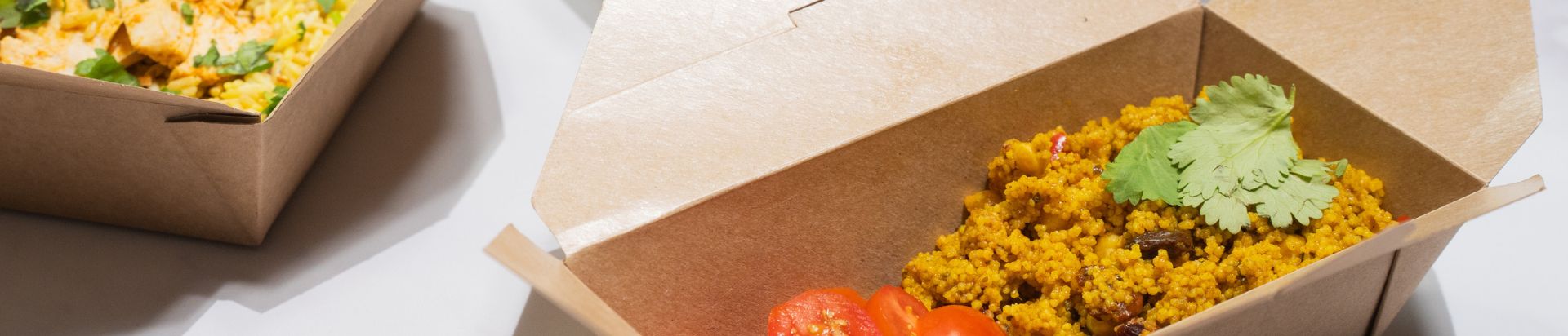
Most takeaway operators serve hundreds of meals a day, which means the packaging adds up fast. If it's single-use plastic or polystyrene, the environmental impact is hard to ignore. The good news is that switching to sustainable food packaging is more straightforward and more affordable than most people expect. This guide covers everything you need to know, including what sustainable packaging actually means, which materials to choose, how to make the switch without disrupting your operation, and what it'll cost.
What Is Sustainable Packaging?
Sustainable packaging has been designed to have as little environmental impact as possible, from how it's made through to what happens when it's thrown away. That might mean it's made from recycled or renewable materials, that it can be recycled after use, or that it will fully break down through composting rather than sitting in a landfill for hundreds of years.
It's not a single fixed standard. A product can be considered sustainable if it outperforms conventional packaging on at least one environmental measure. Using agricultural by-products instead of virgin plastic, being certified compostable, or simply using less material overall is what counts as being sustainable.
Why Is Sustainable Packaging Important?
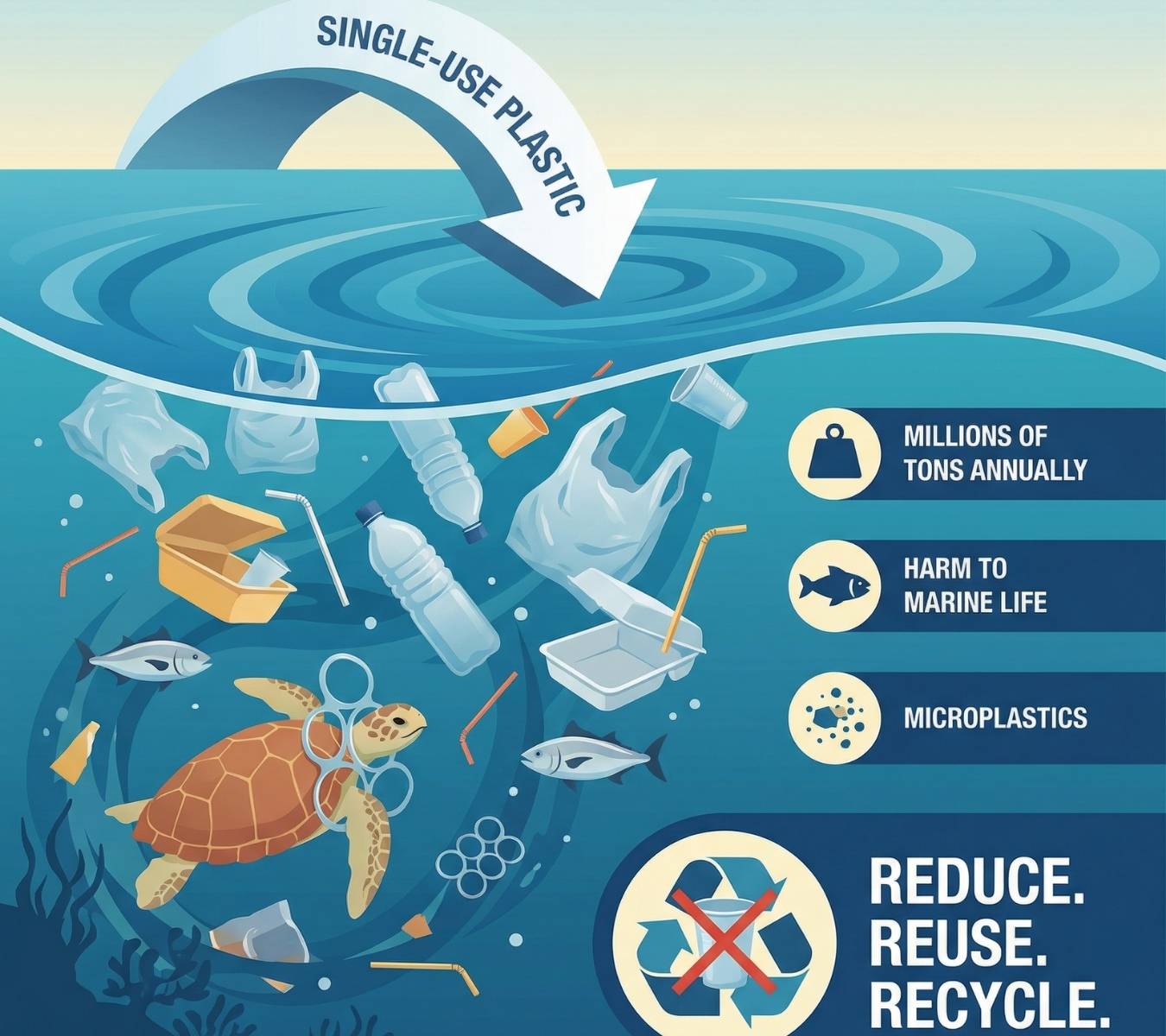
Single-use plastics take hundreds of years to break down. In the meantime, they leach microplastics into soil and waterways. The Ellen MacArthur Foundation estimates that by 2050, there could be more plastic in the ocean than fish by weight if nothing changes. Takeaway packaging, particularly plastic trays, polystyrene cups, and plastic cutlery, is a major contributor.
But it's not just an environmental issue. UK legislation has already banned single-use plastic cutlery and plates, making conventional plastic packaging more expensive every year. Customers, particularly younger ones, are actively choosing businesses that take sustainability seriously. Packaging is the most visible signal of where your business stands. The question for most takeaway operators is no longer whether to switch; it's where to start.
How Does Sustainable Packaging Help the Environment?
The environmental benefits work on several levels at once:
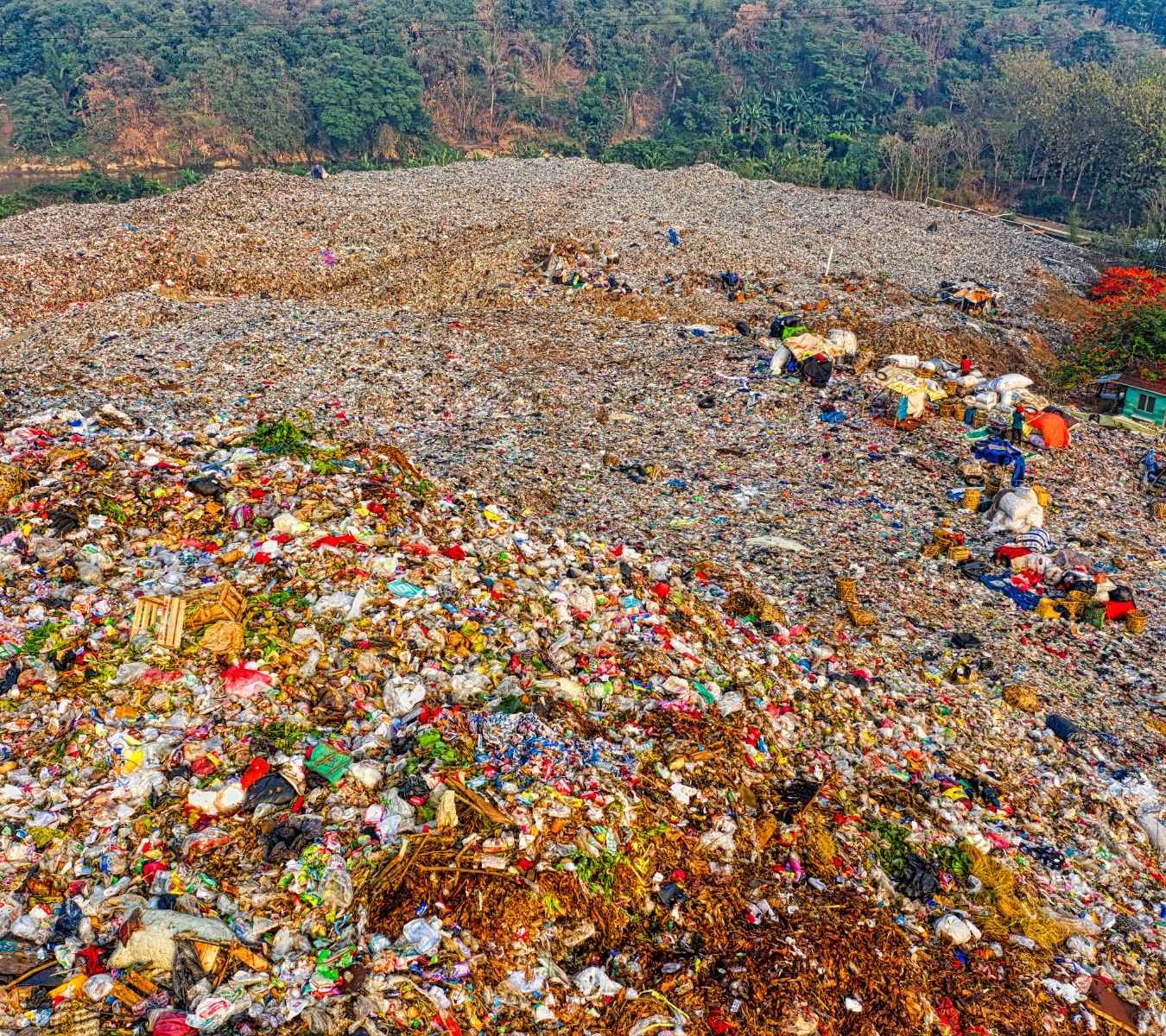
- Less landfill waste: Compostable packaging, such as bagasse containers made from sugarcane pulp, breaks down in weeks under the right conditions, rather than persisting for centuries.
- Lower energy in production: Recycled aluminium takes around 95% less energy to produce than virgin aluminium. Bagasse is a by-product of sugar production, so the raw material would otherwise need to be disposed of.
- Carbon reduction: Paper-based packaging absorbs carbon during the tree-growing phase, especially when sourced from responsibly managed forests.
- Less plastic pollution: Compostable and paper-based packaging doesn't shed microplastic particles, and produces fewer toxic by-products during manufacture.
What Are the Main Sustainable Packaging Materials?
Not every material suits every menu or operation. Here's a straightforward breakdown of the options available at Cooksmill, along with what each one is best for:
| Material | End of Life | Best For | Durability | Cost vs Plastic |
|---|---|---|---|---|
| Bagasse | Compostable | Hot & cold meals | Medium | |
| Kraft | Compostable | Dry / bakery | Low – med | |
| Aluminium | Recyclable | Oven-safe | Low | |
| Paper cartons | Recyclable | Most foods | Low | |
| Wooden cutlery | Compostable | Hot or Cold food | Low – med | |
| Cornstarch cutlery | Compostable | Cold food | Medium | |
| Paper straws | Compostable | All drinks | Low |
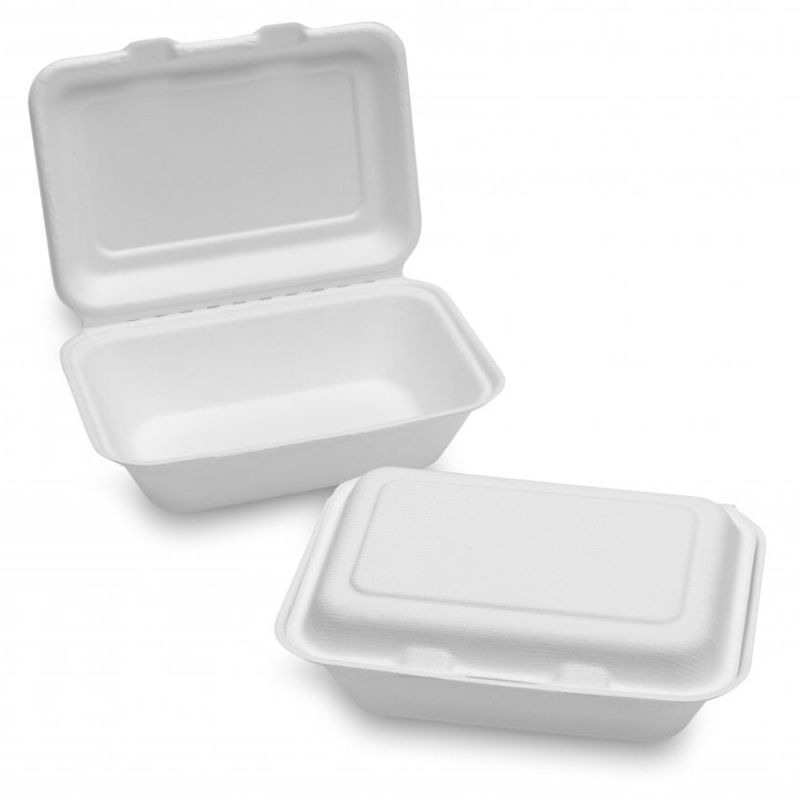
Bagasse and Kraft Containers
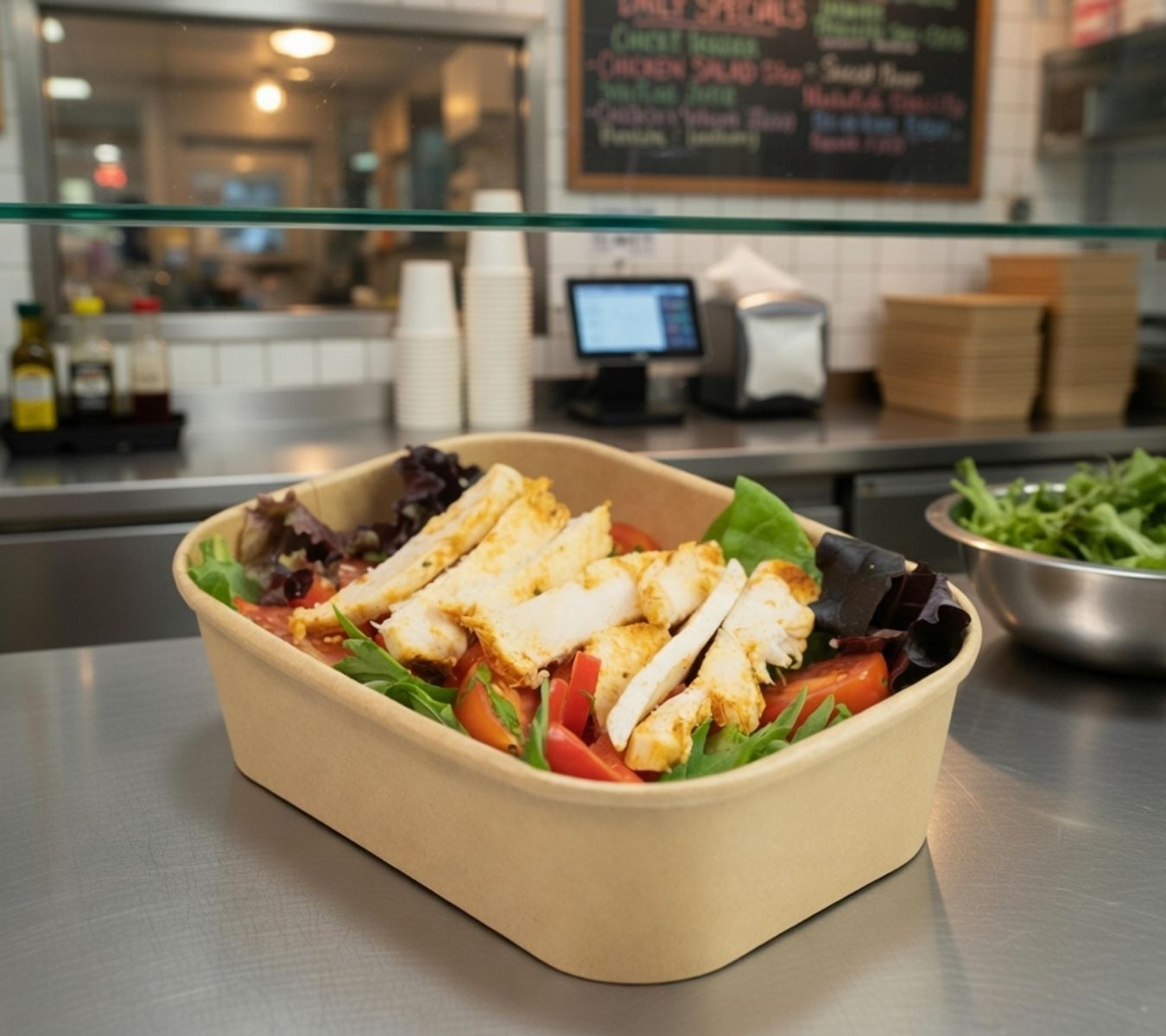
Bagasse is made from pressed sugarcane fibre, a by-product of sugar production that would otherwise go to waste. The result is a container that's naturally grease-resistant, microwave-safe, and sturdy enough for hot, wet dishes.
Kraft is made from unbleached paper pulp and gives a clean, natural look that works well for street food, bakery items, and anything where presentation matters. Both are certified compostable. Cooksmill's kraft and bagasse range includes burger boxes, noodle bowls, clamshell containers, and chip trays.
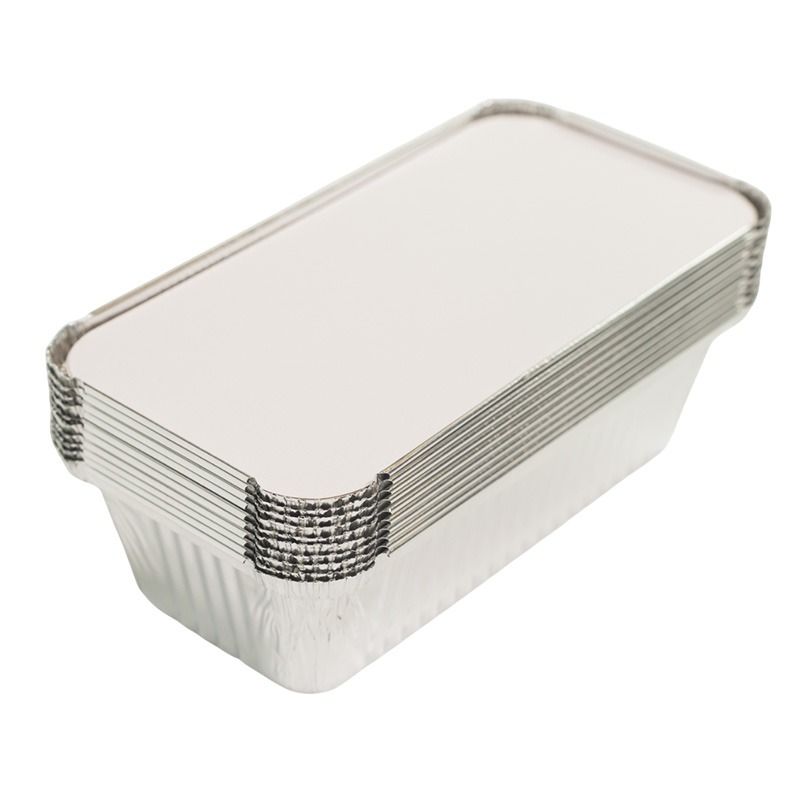
Aluminium Food Containers
Aluminium can be recycled indefinitely without losing quality, and recycling it uses a fraction of the energy needed to produce it from scratch. For takeaways serving hot dishes, curries, roasts, or anything oven-ready, it's a practical and widely recyclable choice. Cooksmill stocks aluminium food containers in a wide range of sizes, from individual portions to large family trays. These containers are suitable for oven use, making them ideal for businesses that prepare and serve food in the same packaging.
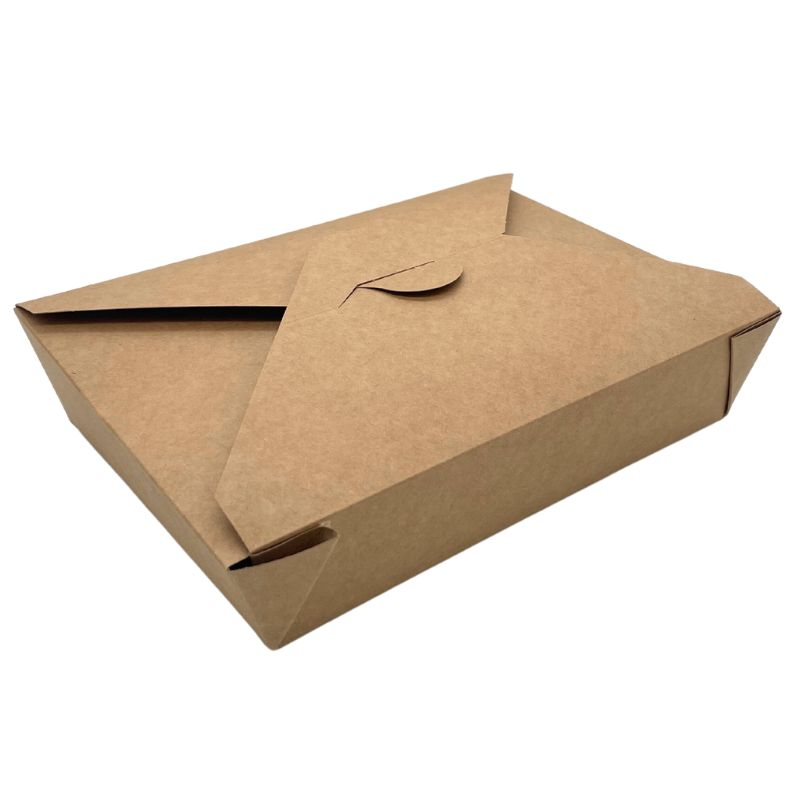
Paper Food Cartons
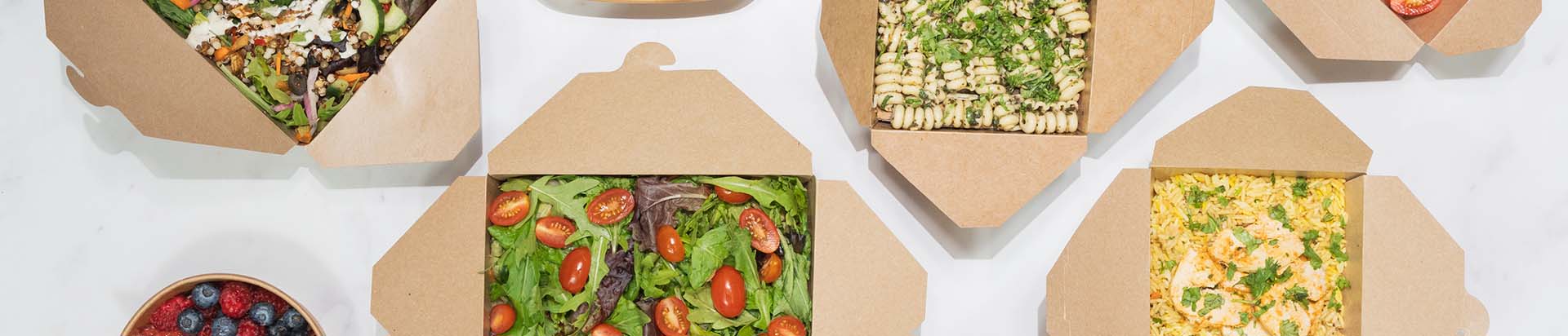
Paper cartons are one of the most versatile formats in sustainable food packaging. From noodle boxes and sandwich cartons to hot dog sleeves, there's a format for most foods. Modern paper cartons are often treated for grease and moisture resistance while remaining recyclable. They also present well with a clean, simple look that customers tend to associate with quality. Cooksmill offers a wide selection of paper food cartons to suit everything from street food stalls to busy restaurant kitchens.

Wooden and Cornstarch Cutlery
The UK ban on single-use plastic cutlery means switching to alternatives is no longer optional; it's a legal requirement. There are two main options, each suited to slightly different uses:
- Wood: Compostable, strong, and heat-resistant - best for hot meals and heavier dishes.
- Cornstarch (PLA): Compostable in industrial facilities, closest look and feel to conventional plastic - best for cold dishes and desserts.
Cooksmill stocks forks, knives, spoons, and chopsticks across biodegradable wooden and cornstarch materials, available individually or as sets. All options are sturdy enough for everyday use. Today's biodegradable cutlery is a significant step up from the flimsy alternatives that existed a few years ago.
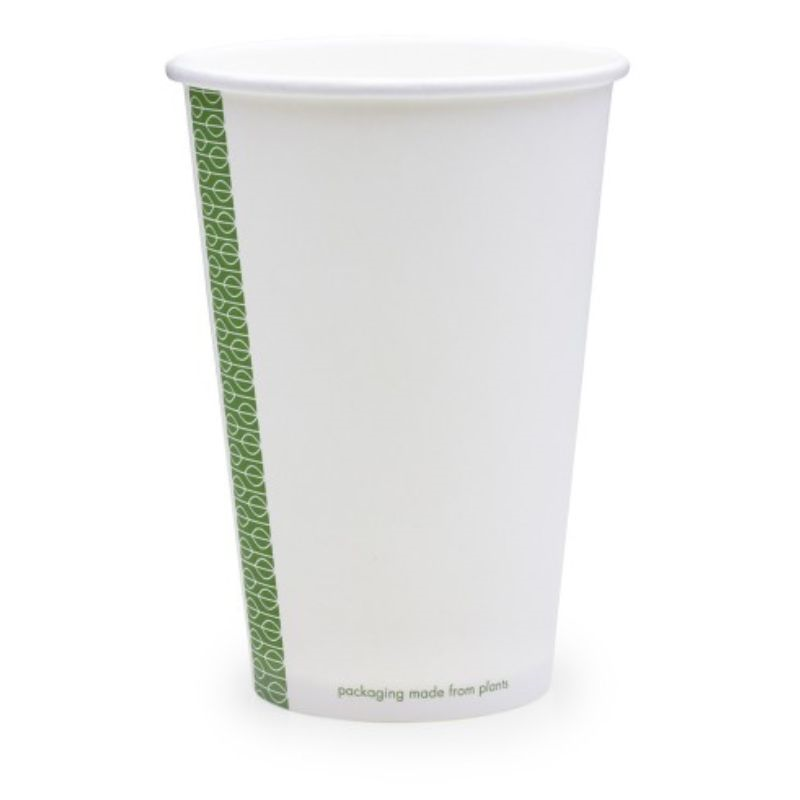
Biodegradable Straws and Beverage Packaging
Paper, wheat, and bamboo straws are now well-established alternatives to plastic, and Cooksmill's straw range covers everything from standard cold drinks to thick shakes and smoothies. The biodegradable beverage serving range also includes cups and lids for hot and cold drinks made from sustainably sourced materials, suitable for coffee shops, juice bars, and any takeaway serving hot or cold drinks.
How Can Takeaways Switch to Sustainable Packaging?
You don't need to replace everything at once. The most practical approach is to start with your highest-volume items, the packaging you go through most, and work from there. This list covers the key steps:
- Step 1 - Audit Existing Packaging: List every packaging item you currently use, what material it's made from, and how it's typically disposed of
- Step 2 - Prioritise High-Volume Items: Identify your highest-volume items and anything that falls under the UK single-use plastics ban
- Step 3 - Check local disposal options: Find out whether your area accepts compostable packaging in food waste collections; if not, recyclable aluminium or paper cartons may be the smarter choice
- Step 4 - Choose Appropriate Sizes: Choose containers that match your portion sizes, as over-packaging increases costs and waste
- Step 5 - Replace Related Products Together: Replace containers, cutlery, straws, and bags together so you're not undoing the improvements in one area with wasteful choices in another
- Step 6 - Communicate the Change: Tell your customers. A simple note on your menu or packaging goes a long way. Customers notice, and it builds loyalty.
Is Sustainable Packaging More Expensive?
For most takeaways, the cost of switching is lower than expected, and in many cases, sustainable options are now at or near the price of conventional alternatives.
Aluminium containers and paper cartons sit comfortably alongside their plastic equivalents in price, especially when buying in volume from a trade supplier like Cooksmill. Bagasse containers are slightly pricier at low volumes, but that gap narrows significantly when you order in bulk. Wooden cutlery is highly competitive, as single-use plastic cutlery is now banned outright in the UK.
- Aluminium containers: At or near the price of conventional alternatives
- Paper cartons: Generally comparable to plastic, especially in volume
- Bagasse containers: Slightly higher unit cost at low volumes that narrows significantly in bulk
- Wooden cutlery: Competitive with plastic, given the UK single-use plastics ban
For most takeaway operators, the total cost of switching is lower than expected
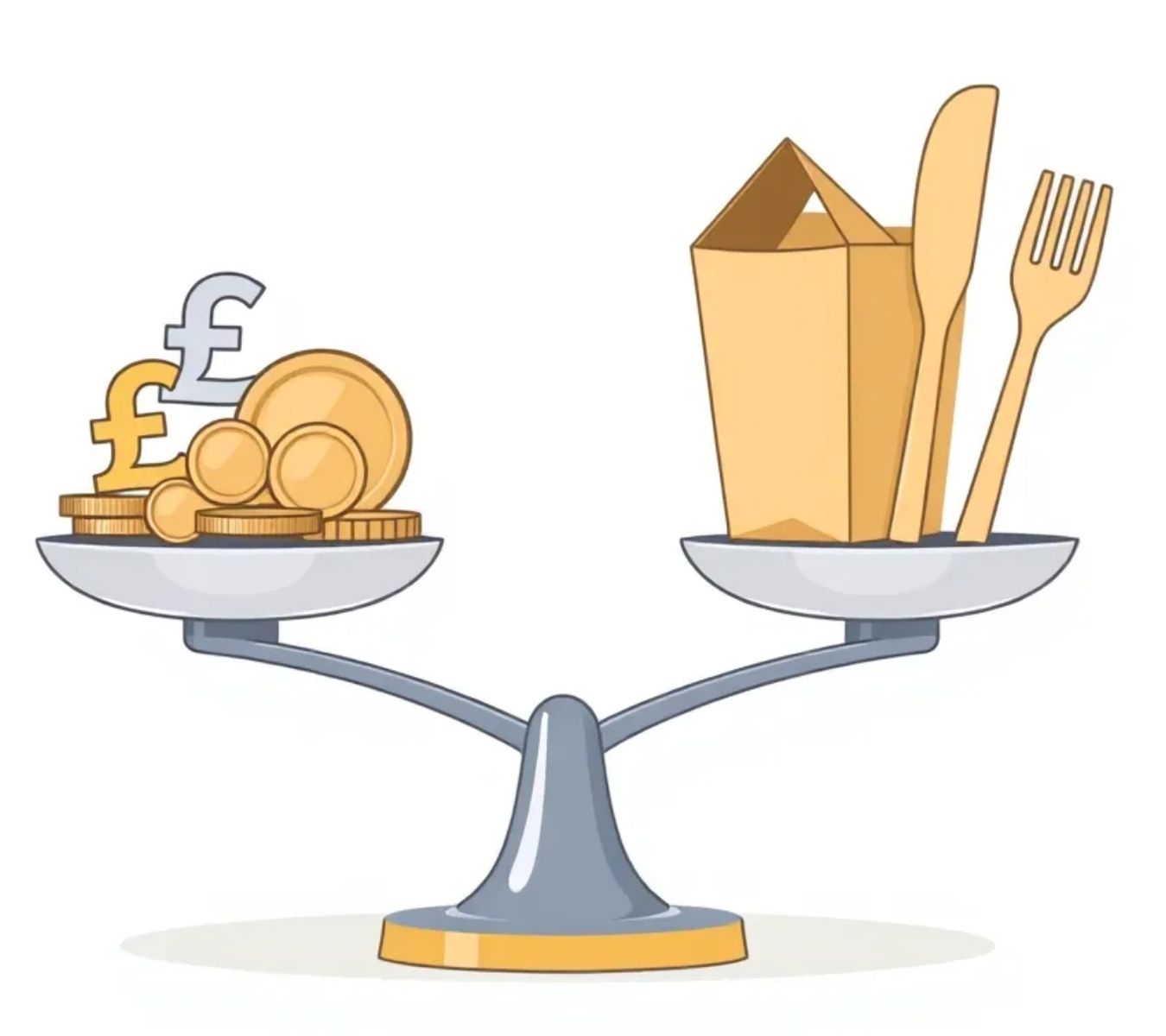
There's also the customer side of the equation. Research consistently shows that consumers are more likely to return to and recommend businesses that demonstrate genuine sustainability credentials. Packaging is one of the most visible ways to show that commitment.
Sustainable Packaging for Every Part of Your Operation
Cooksmill stocks one of the most comprehensive ranges of sustainable food packaging available to UK caterers, covering every part of your service from main course to drinks. Whether you run a curry house, sandwich bar, or street food stall, there's a solution for all:
- Kraft and bagasse food serving containers: burger boxes, noodle bowls, clamshells, chip trays
- Aluminium food containers: individual portions through to large family trays, with lids available
- Paper food cartons: noodle boxes, sandwich cartons, hot dog sleeves and more
- Wooden and cornstarch cutlery: forks, knives, spoons, and chopsticks
- Biodegradable and compostable straws: standard and smoothie options
- Biodegradable beverage serving: cups and lids in sustainably sourced materials
FAQ
Question: What is sustainable takeaway packaging?
Answer: Sustainable takeaway packaging is designed to reduce environmental impact through the use of recycled, renewable, recyclable or compostable materials.
Question: Why is sustainable packaging important for takeaways?
Answer: Sustainable packaging helps reduce landfill waste, minimise plastic pollution, support environmental goals and align with changing regulations and customer expectations.
Question: What are the best sustainable packaging materials?
Answer: Common options include bagasse, kraft paper, aluminium containers, recyclable paper cartons, wooden cutlery, cornstarch cutlery and paper straws.
Question: Is sustainable takeaway packaging more expensive?
Answer: Many sustainable packaging options are now competitively priced with conventional alternatives, particularly when purchased in bulk.
Question: How can a takeaway business switch to sustainable packaging?
Answer: Start by auditing current packaging, prioritising high-volume items, selecting suitable sustainable alternatives and communicating changes to customers.
Make the Switch with Cooksmill
Sustainable food packaging isn't a trend; it's where the industry is heading, and for good reason. The materials are better than they've ever been, the prices are competitive, and the legal and commercial pressure to act is only increasing. Whether you're starting with one product or switching your entire packaging setup, Cooksmill has everything you need to make it happen.
Start small, build from there, and let your customers know you're making the change. The switch is simpler than you think. With competitive pricing and free delivery on orders over £60, it’s easy to stock up. Browse the full range at Cooksmill or visit the store in Manchester.