Vacuum packaging is a simple yet powerful method for preserving food, reducing waste, and improving efficiency in both professional kitchens and home environments. By removing air from the packaging and sealing it tightly, vacuum packaging extends shelf life, enhances food hygiene, and saves space. Whether you’re a butcher, deli, restaurant, or a food-loving home cook, understanding vacuum packaging and using the right vacuum bags and machines can completely transform how you store and serve food.
At Cooksmill, we stock a wide range of vacuum bags, vacuum food bags to go, and vacuum packaging machines to suit different needs and budgets. In this guide, we’ll cover the basics of vacuum packaging, its advantages, and how to choose the right tools, as well as provide insights on Sammic vacuum packers, one of the most respected names in the industry.
What is Vacuum Packaging?
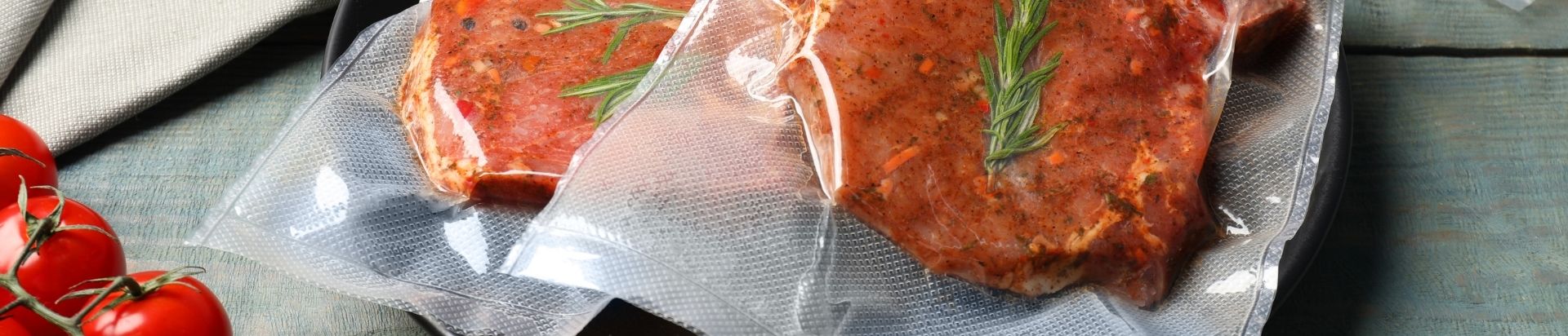
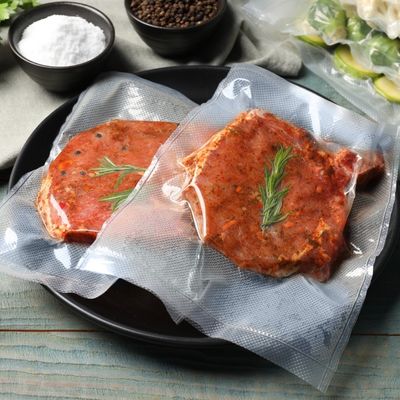
Vacuum packaging is the process of removing air from a bag or container and then sealing it to create a vacuum environment. The vacuum packaging machines that do this significantly reduce oxidation, bacterial growth, and moisture loss, three of the main culprits in food spoilage.
Vacuum food bags can be used for both raw and cooked foods. They’re suitable for refrigeration, freezing, and in some cases, even sous vide cooking. This versatility makes vacuum sealing an excellent method for extending the shelf life of groceries, meal prepping, and preserving seasonal produce. It also helps to maintain the food’s flavour, texture, and nutritional value for longer periods.
Why Use Vacuum Packaging?
Whether you’re running a professional kitchen or trying to cut waste at home, vacuum packaging offers several clear advantages:
- Extended Shelf Life
Vacuum sealing slows down spoilage by keeping out air and moisture. This means fresher produce, longer-lasting meat, and fewer trips to the bin.
- Improved Food Safety
Vacuum bags reduce the risk of contamination by limiting the oxygen that bacteria and mould need to thrive.
- Space Efficiency
Sealed flat, vacuum-packed items are much easier to store, stack, and organise in fridges and freezers.
- Portion Control & Prep
Especially useful in catering, vacuum packaging allows for precise portioning and batch cooking without quality loss over time.
- Ideal for Takeaway & Meal Prep
Vacuum food bags to go are perfect for pre-packed meals. The air-tight seal keeps food secure and leak-free, whether it’s for delivery or retail shelves.
Who Uses Vacuum Packaging?
- Restaurants & Hotels: For storing prepped ingredients, marinated proteins, or leftovers hygienically.
- Butchers & Delis: For portioning and packaging cuts of meat, cheese, and cold items.
- Takeaway & Meal Prep Services: For packaging ready meals securely for delivery or in-store pickup.
- Supermarkets: For extending shelf life and reducing packaging bulk.
- Home Cooks: For freezing, organising, and preparing food in advance.
Choosing the Right Vacuum Bags
The quality and type of vacuum bag you use have a big impact on performance. Here’s what to look for:
- Embossed vs Smooth Bags
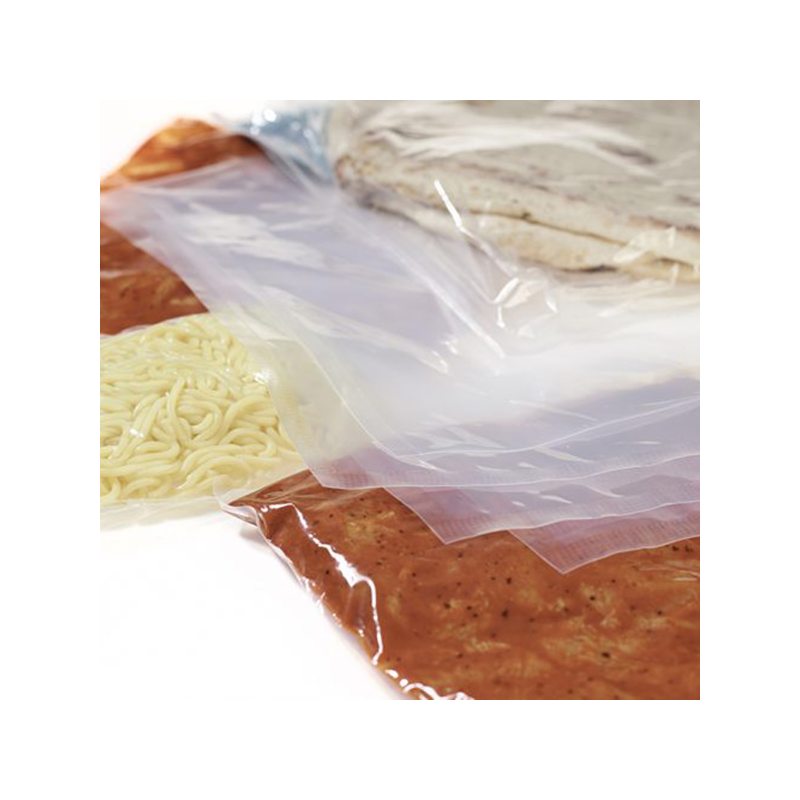
- Embossed vacuum bags (also called channel bags) are designed for external suction machines and allow air to escape easily.
- Smooth vacuum bags are used in chamber vacuum machines and are ideal for high-volume, professional environments.
- Thickness
- Thicker bags (e.g. 90-120 microns) offer better puncture resistance for bones, shells, or harder foods.
- Standard bags (e.g. 65-80 microns) are suitable for most fresh produce and cooked food.
- Temperature Resistance
Make sure your bags are rated for the task. This may include being freezer-safe, microwave-safe, or even being sous vide-compatible (often up to 100°C for extended periods).
Sammic Vacuum Packing Machines at Cooksmill
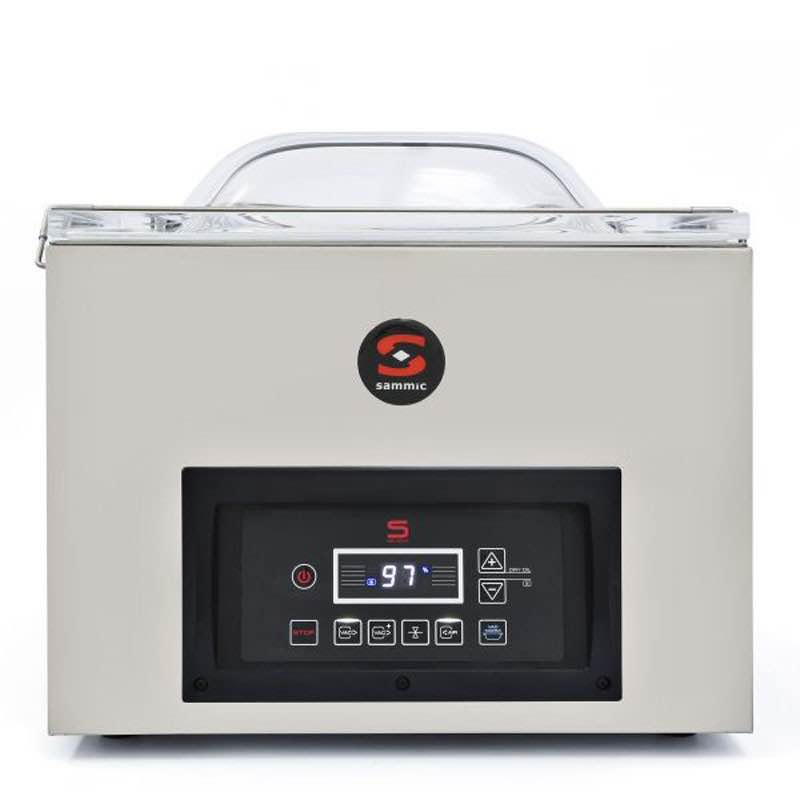
We offer two of Sammic’s most popular vacuum packaging models to ensure the best possible outcome for your food products. Both the Sammic SE-310 and Sammic SE-410 feature smart sensor controls with extra vacuum pull of up to 10 seconds. They both offer soft air functions and are NSF-approved. Here is a comparison of the two models to help you determine which one is best suited for your kitchen.
|
|
Sammic SE-310 |
Sammic SE-410 |
|
Pump capacity |
10 m³/h |
10 m³/h |
|
Double sealing |
yes |
yes |
|
Bar length |
320 mm |
420 mm |
|
Vacuum pressure |
2 mbar |
2mbar |
|
Internal width |
330 mm |
430 mm |
|
Internal depth |
360 mm |
415mm |
|
Internal height |
155 mm |
145 mm |
|
External width |
384 mm |
484 mm |
Why Choose a Sammic Vacuum Packer?
When it comes to vacuum packing, Sammic machines offer several features that help them stand out from the competition. A key differentiator is their sensor-based technology, which ensures a perfect vacuum every time, unlike timed models that can be less precise. This, combined with a 2-year on-site warranty and robust Busch pumps, shows their reliability and performance. For professionals, the sensor technology and double seal are critical features that guarantee preservation and durability for your packaged goods.
Sammic's versatility extends to packing various food types. The SE-310 and SE-410 models are perfectly suited for liquids and delicate items, with their liquid sensor that automatically seals when liquid is detected. While Sammic vacuum packers are compatible with all types of vacuum bags, it's crucial to use the correct temperature-resistant bags if you plan on using them for sous vide cooking. Additionally, these machines aren't just for bags; you can also seal jars, expanding your food preservation options.
Common Uses for Vacuum Packaging
Fresh Meat: Vacuum packing is widely used for fresh meats like beef, poultry, and fish. By removing oxygen, it significantly prevents oxidation, which causes discolouration, and inhibits the growth of aerobic bacteria. This extends shelf life and maintains the quality of the meat.
Cheese: For various types of cheese, from hard to soft, vacuum sealing avoids the development of mould, which is a common issue when exposed to air. It also helps to preserve the cheese's flavour and texture, and extends its usability considerably, reducing waste.
Cooked Meals: Vacuum packaging cooked meals is highly beneficial for meal prepping and food service. It effectively locks in flavour and aromas, prevents dehydration, and makes portions easy to reheat or serve, ideal for convenience and portion control.
Fresh Produce: When packing fresh produce, especially ethylene-producing fruits like apples and bananas, vacuum sealing reduces spoilage by slowing down the ripening process and preventing the growth of microorganisms. This extends freshness and preserves nutrients.
Sauces & Liquids: Utilising chamber machines, sauces, soups, marinades, and other liquids can be safely and cleanly packaged under vacuum. This method prevents spills, cross-contamination, and extends the shelf life of liquid products.
Baked Goods: Vacuum packaging helps maintain the freshness of baked goods such as bread, pastries, and biscuits. It prevents staleness by limiting exposure to air and protects against freezer burn, which can change taste and texture during freezing.
Sous Vide Dishes: Vacuum sealing is an essential component of the sous vide cooking method. It allows for perfect control over cooking consistency and quality by ensuring that food is completely submerged in water and cooks evenly at precise temperatures, enhancing tenderness and flavour.

Tips for Effective Vacuum Packing
- Don’t overfill the bag; leave enough room to seal properly
- Wipe the inside edges of the bag before sealing to avoid sealing failures
- Label each pack with the date and contents
- For liquid-heavy items, pre-freeze or use chamber sealers
- Choose the right vacuum level, as too much suction can crush delicate items
Vacuum Food Bags To Go: Smart Packaging for Modern Food Businesses
The demand for vacuum food bags to go has surged as more businesses offer ready meals. Vacuum-sealed packing:
- Keeps food tamper-evident and leak-proof
- Extends product shelf life without preservatives
- Presents meals neatly for retail shelves or customer delivery
These bags aren’t just functional, they’re part of your customer experience.

Sustainable Vacuum Packaging: Is It Eco-Friendly?
Vacuum packing can reduce food waste dramatically, which is a big sustainability win. However, most vacuum bags are made from plastic. There are a few things to consider when it comes to using vacuum bags and pouches. Firstly, ensure to recycle responsibly, as some vacuum bags are recyclable if washed. You can also try to minimise the bag size to reduce material use.
In many cases, vacuum packaging is a more sustainable choice than throwing out spoiled food.
Frequently Asked Questions About Vacuum Packaging
Can vacuum packing be used for non-food items?
Yes. While vacuum sealing is most commonly associated with food storage, it’s also used in other industries. For example, vacuum packaging is used for:
- Protecting medical instruments from contamination
- Preserving electronics from moisture damage
- Securing important documents or valuables for long-term storage
- Compact packing of clothing or textiles for travel or storage
In each case, a reliable vacuum sealing machine creates a protective barrier against air, dust, and humidity.

Can you vacuum seal liquids or soups?
You can, but it depends on the type of vacuum sealer you use. External vacuum sealers are not ideal for liquids because they can suck moisture into the motor. Chamber vacuum sealers, however, are designed to safely seal bags containing soups, sauces, and marinades without mess. If you only have an external vacuum sealer, try freezing the liquid in a container first, then vacuum seal it once solid.
Are all vacuum bags the same?
No. There are key differences:
- Food vacuum bags are food-safe and heat-resistant
- Embossed vacuum bags work with external sealers and have textured channels for air removal
- Smooth vacuum bags are used in chamber machines and are often more economical for bulk use
- Some vacuum bags are rated for sous vide, which means they can withstand prolonged heat exposure
At Cooksmill, we offer a variety of food-safe vacuum bags available in a range of different sizes.
Why Buy from Cooksmill?
We stock everything you need to start or scale up your vacuum packing operation, including high-quality vacuum bags in a variety of sizes and strengths, as well as professional-grade vacuum pack machines from Sammic and other top brands.
We also have knowledgeable staff on hand to offer expert advice and support tailored to your kitchen or food business. Whether you’re sealing food for service, resale, or storage, we’ll help you find the right solution.