What is a Wok?
A wok is a versatile, round cooking pan that originated from China. Known for its high, sloping sides, a wok is ideal for stir-frying, deep-frying, and even steaming. Unlike typical frying pans, the wok offers exceptional heat distribution, making it perfect for high-heat, quick-cooking methods commonly found in Asian cuisine. However, its cooking vessel extends well beyond stir-fries and fried rice. You can also use a wok for braising, boiling, and even smoking.
The Science of Seasoning a Wok
Seasoning a wok is the essential first step in making it a reliable partner in your home or commercial kitchen. Here’s how to season different types of woks:
Carbon Steel Wok
Carbon steel woks are a fantastic addition to oriental-style cooking. Cooksmill offers the best range of carbon steel woks that are available in various sizes, making them perfect for home or commercial use. Here’s how to season these works:
- Initial Wash: Wash the wok thoroughly with soap and warm water to remove any factory coatings.
- Drying: Dry it completely, then place it on a stove on low heat to eliminate any residual moisture.
- Oiling: Apply a thin layer of vegetable oil using a paper towel, covering all interior surfaces.
- Heating: Heat the wok on medium-high heat until it starts to smoke. This creates a patina that makes the wok more non-stick over time.
- Cooling and Storing: After it cools down, wipe away any excess oil and store it in a dry place.
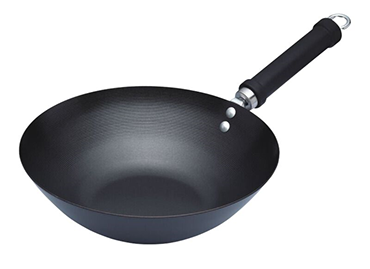
Aluminium Wok
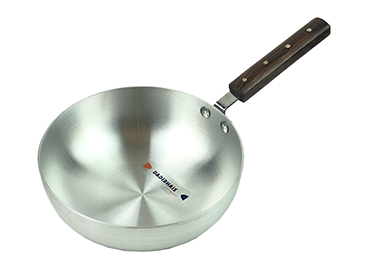
Aluminium woks usually come with a non-stick coating, making seasoning unnecessary. However, it's crucial to avoid metal utensils to preserve the non-stick surface. Cooksmill offers a wide range of high-quality aluminium woks that are perfect for home or commercial use.
Aluminium is also a lightweight metal, which makes it easy to manoeuvre the wok. This is especially important when stir-frying, as you need to be able to move the wok quickly and easily. Cooksmill offers a wide range of high-quality aluminium woks that are perfect for home or commercial use.
Stainless Steel Wok
Stainless steel woks don’t need to be seasoned in the same way that carbon steel woks do. However, they can benefit from a light seasoning to help create a more non-stick surface. Here is how to season a stainless steel wok:
- Initial wash: Wash the wok with warm, soapy water and dry it thoroughly.
- Oiling: Pour a thin layer of oil (such as peanut oil, vegetable oil, or grapeseed oil) into the wok.
- Heating: Heat the wok over medium heat until the oil starts to smoke. Let the oil smoke for about 15 seconds, then turn off the heat.
- Cooling and Storage: Let the wok cool completely.
Which is the Best Wok?
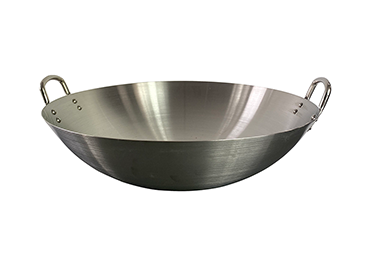
Choosing the best wok comes down to your specific needs and cooking techniques. Typically, woks with one long handle are commonly used by restaurant chefs for stir-frying ingredients. On the other hand, larger woks with two handles are used for steaming or cooking larger quantities of food. It's important to ensure you use the correct wok for your cooking technique to achieve the best results.
For superior quality and performance, Cooksmill’s woks are unmatched. Made with premium materials that ensure long-lasting durability, excellent heat distribution, and versatility, these woks are designed to meet the demands of both home cooks and professional chefs. Our woks come in different sizes and materials, offering you a tailored cooking experience.
How to Use a Wok: The Pro Tips
- Preheating is Crucial: A well-preheated wok ensures that your ingredients won’t stick and will cook evenly.
- The Water Test: Drop a small bead of water into the wok; if it sizzles and evaporates within seconds, it’s hot enough.
- Don’t Overcrowd: Overcrowding can lead to steaming rather than frying, affecting the texture and flavour of your dish.
- High Heat Mastery: Learn to control the heat. High heat is essential for quick cooking and sealing in flavours but be cautious not to burn your ingredients.
- Stirring and Tossing: Keep your ingredients moving. Use a spatula to stir constantly, ensuring even cooking and flavour distribution.

How to Clean a Wok the Right Way
Cleaning a wok is as important as seasoning it as improper cleaning can undo all your seasoning efforts. Here’s the best way to clean your wok:
- Immediate Attention: Clean the wok as soon as it’s cool enough to handle to prevent food from sticking.
- Water and Soft Sponge: Use hot water and a non-abrasive sponge to gently scrub away food particles.
- No to Soap: Avoid using soap on a seasoned wok, as it can strip away the patina you’ve worked so hard to build.
- Dry and Oil: After washing, dry it completely and apply a thin layer of oil before storing it to prevent rust.
Frequently Asked Questions
What is the best type of wok for a commercial kitchen?
Carbon steel is a popular choice for professional stir-frying because it responds quickly to changes in heat and develops a seasoned cooking surface with use. Stainless steel can suit kitchens prioritising straightforward maintenance, while non-stick aluminium may be useful for lower-temperature cooking. Choose according to your burner, menu, cooking volume and cleaning requirements.
Do you need to season a carbon steel wok before using it?
Most uncoated carbon steel woks need initial preparation and seasoning before regular use. Wash off any removable factory residue, dry thoroughly, apply a very thin layer of suitable cooking oil and heat according to the manufacturer's instructions. Seasoning helps develop a protective cooking surface and reduces the risk of rust. Pre-seasoned or coated products may have different requirements.
Do aluminium and stainless steel woks need seasoning?
Non-stick-coated aluminium woks do not normally need seasoning, and heating an empty coated pan beyond its recommended temperature can damage the surface. Stainless steel woks also do not require the permanent seasoning used for carbon steel. Follow the care instructions for the specific wok, including any guidance on preheating, oil and suitable utensils.
Is a round-bottom or flat-bottom wok better?
A round-bottom wok works well with a compatible gas wok burner, where the flame can heat its curved base and sides. A flat-bottom wok is generally more practical for domestic electric hobs and many induction hobs because it makes stable contact with the cooking surface. For induction, confirm that the base is magnetic and the manufacturer specifies induction compatibility.
How do you stop food sticking when stir-frying in a wok?
Preheat the wok appropriately, use a suitable amount of oil and avoid adding too much food at once. Dry ingredients where practical and cook in batches so the wok maintains enough heat for frying rather than steaming. For carbon steel, a well-maintained seasoning layer can help reduce sticking. Never overheat a non-stick-coated wok.
How should you clean and maintain a carbon steel wok?
Allow the wok to cool enough for safe handling, then wash it with warm water and a soft sponge or brush. Mild washing-up liquid can be used when needed, but avoid prolonged soaking and abrasive cleaning that unnecessarily removes seasoning. Dry the wok immediately, warm it gently to remove moisture and apply a very thin protective oil layer before storage.
Can you use a wok on an induction hob?
Yes, provided the wok has an induction-compatible magnetic base and a shape suitable for the hob. Flat-bottom carbon steel and some magnetic stainless steel woks can work well, but aluminium woks generally require a specially designed induction base. Check the product specifications and the hob manufacturer's requirements before purchasing.
Stovetop Compatibility: Induction Hob or Gas Stove?
Our woks are designed to be versatile and are compatible with both induction hobs and gas stoves. Each wok in our range is engineered to provide even heat distribution, irrespective of the heat source.
One thing to consider when buying your wok is the shape and its compatibility with our stovetop. Buy a traditional round-bottom wok makes it ideal for gas stoves. Our round-bottom woks offer better heat distribution and more cooking surface.
Flat-bottom woks are a better fit for electric stoves and induction hobs, as they sit flush against the flat surface, ensuring better heat absorption.
Whether you’re a novice home cook or a professional chef, investing in a high-quality wok can make all the difference in your culinary endeavours. Elevate your kitchen’s versatility and your skills by choosing one of Cooksmill’s premium woks today.