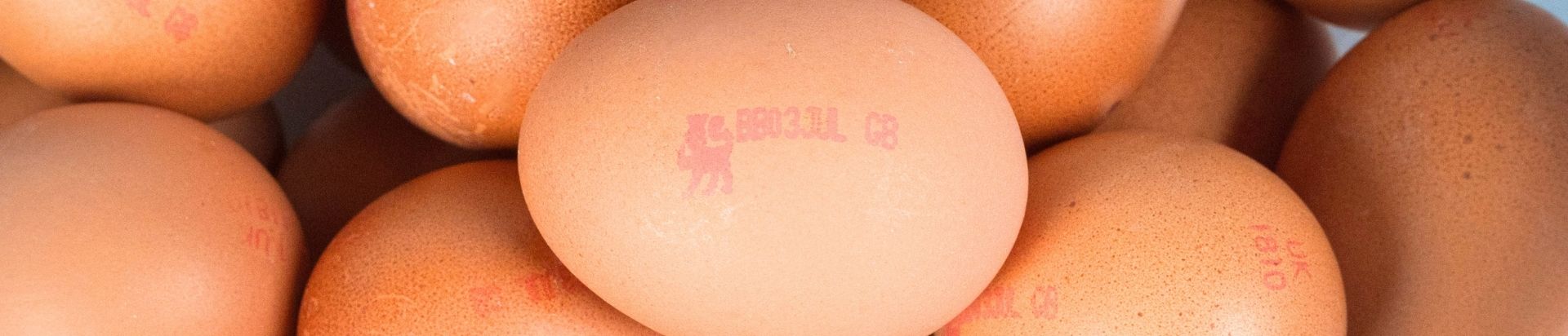
Eggs are the backbone of any breakfast menu. They're versatile, affordable, and consistently one of the most ordered items in cafes, hotels, and restaurants across the UK. Whether you're a professional kitchen feeding customers or a home cook trying to nail a perfect poach, getting eggs right comes down to method, timing, and having the right equipment. This guide covers every main cooking method, along with the kit you need to do each one properly.
Can Eggs Go Off?
Before anything else, it's worth covering egg freshness, particularly relevant for professional kitchens buying in bulk.
Yes, eggs can go off. Eggs typically last around three to five weeks from the date they were laid when stored correctly in a cool, dry environment. In a commercial kitchen, where you might be going through dozens at a time, proper storage is important both for food safety and for reducing waste.
How to Check If Eggs Are Good or Bad
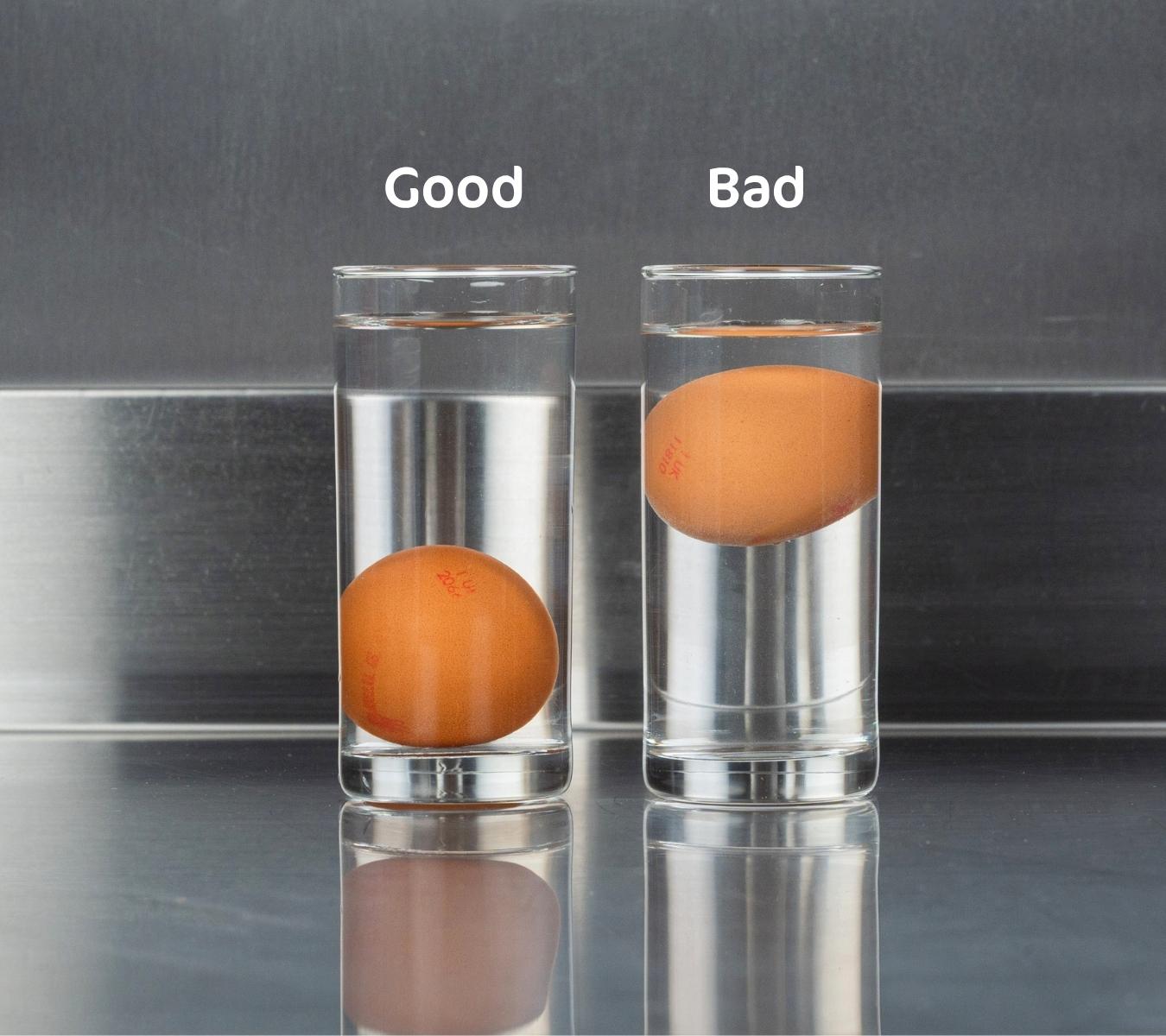
The quickest way to check if eggs are still good is the water test. Place the egg in a bowl of cold water:
- Sinks and lays flat - fresh, good to use
- Sinks but stands upright - still usable but use soon
- Floats - the egg has gone off; do not use it
The air cell inside an egg grows as it ages. A floating egg has a large air pocket, which is a reliable indicator that it's past its best.
You can also crack the egg onto a flat surface. A fresh egg will have a firm, raised yolk and a thick white that stays close around it. An older egg will spread out flat, with a watery white and a flatter yolk.
Storing Eggs Properly in a Commercial Kitchen
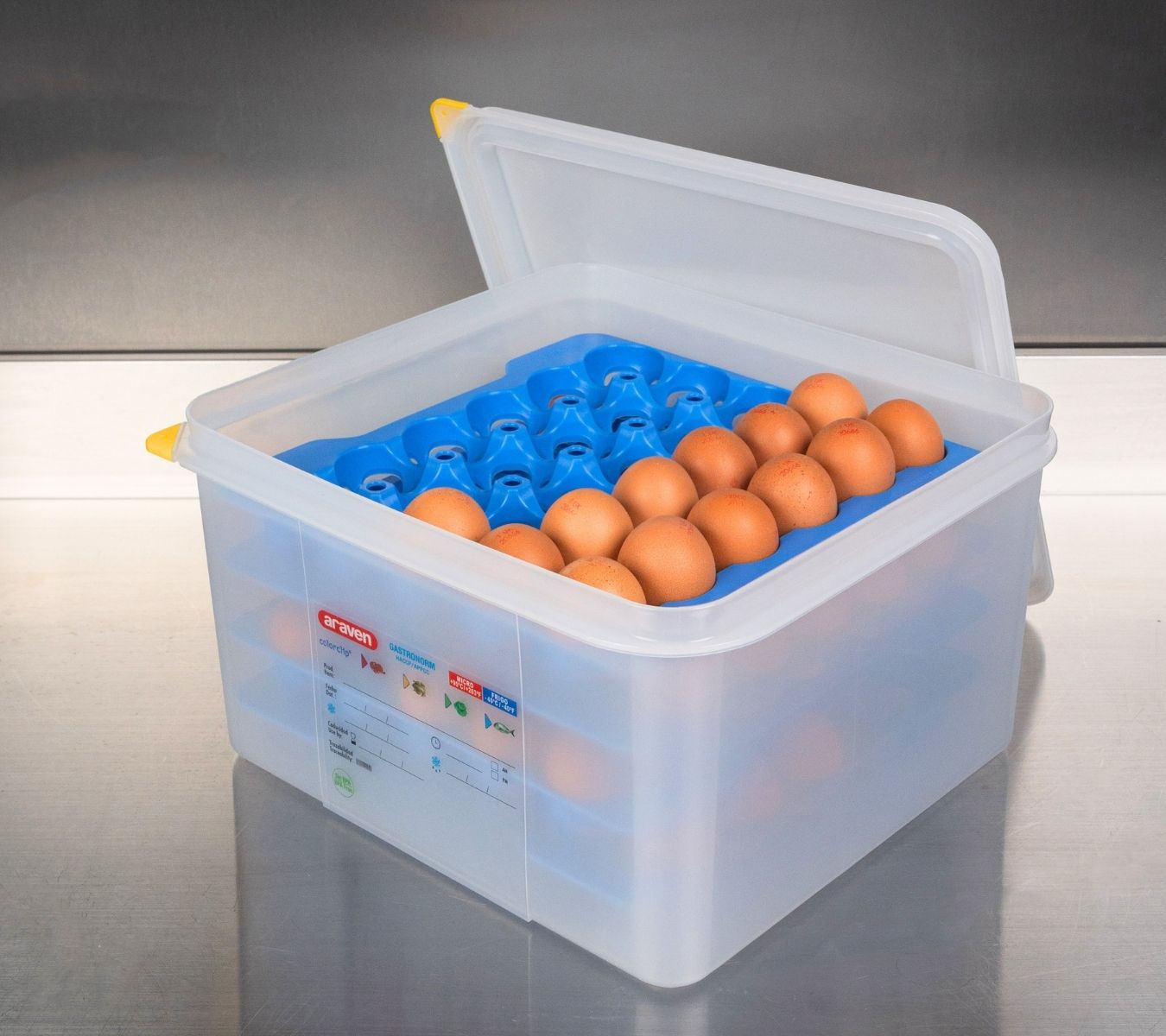
For kitchens going through large volumes of eggs, proper storage is as important as freshness checks. The Araven GN Egg Container and Lid 2/3 200mm 19 Litre with 4 Trays holds up to 120 eggs across four stackable trays, with a secure lid to protect from contamination and odour transfer. It fits standard GN storage systems, making it easy to integrate into an existing fridge setup, making it practical for any kitchen ordering eggs at volume.
Fried Eggs
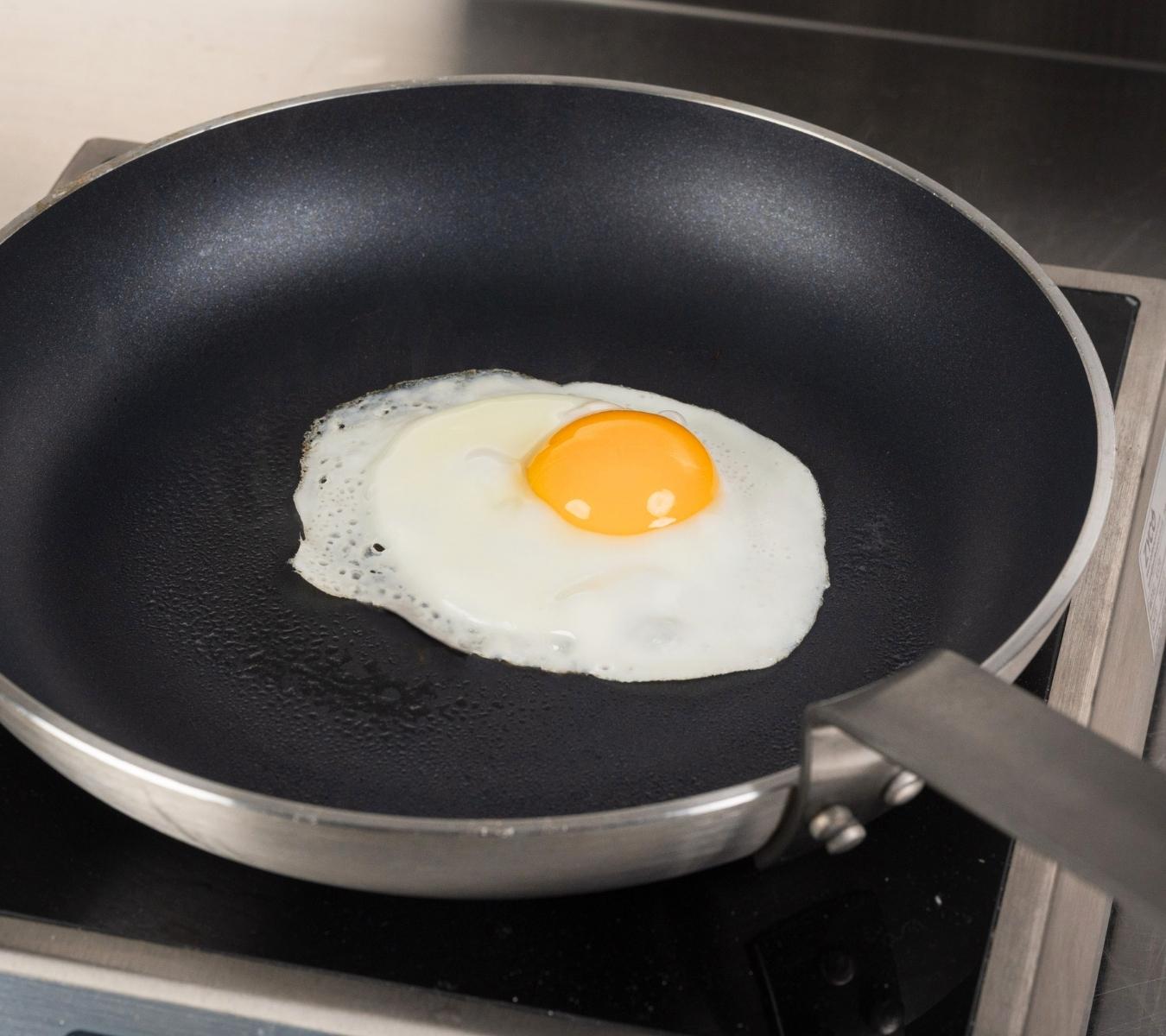
A fried egg is one of those things that sounds simple but has a lot of variables. Temperature, fat, and timing all affect the result.
Classic Fried Egg Recipe
Serves: 1
Time: 3–4 minutes
Ingredients:
- 2 eggs
- 1 tsp butter or a small splash of neutral oil
- Salt
Method:
- Heat butter or oil in a frying pan over medium heat until the butter foams but does not brown.
- Crack the eggs gently into the pan, keeping the yolks intact.
- For a sunny side up egg with a runny yolk, cover with a lid for 1–2 minutes and let the steam set the white.
- For a firmer yolk, tilt the pan and baste the yolk with the hot butter/ oil using a spoon, or flip the egg and cook for a further 30 seconds.
- Season and serve immediately.
What to serve with a fried egg:
- Toast or a toasted muffin
- Sausages and hash browns as part of a full breakfast
- A fry pan egg over a beef patty for a breakfast burger
- Wilted spinach and sourdough for a lighter option
The Professional Non Stick Stainless Steel Frying Pan 11", 28cm is a reliable pan for breakfast service. The non-stick coating means eggs release cleanly without tearing, and the 28cm size gives you enough surface area to fry multiple eggs at once without them merging.
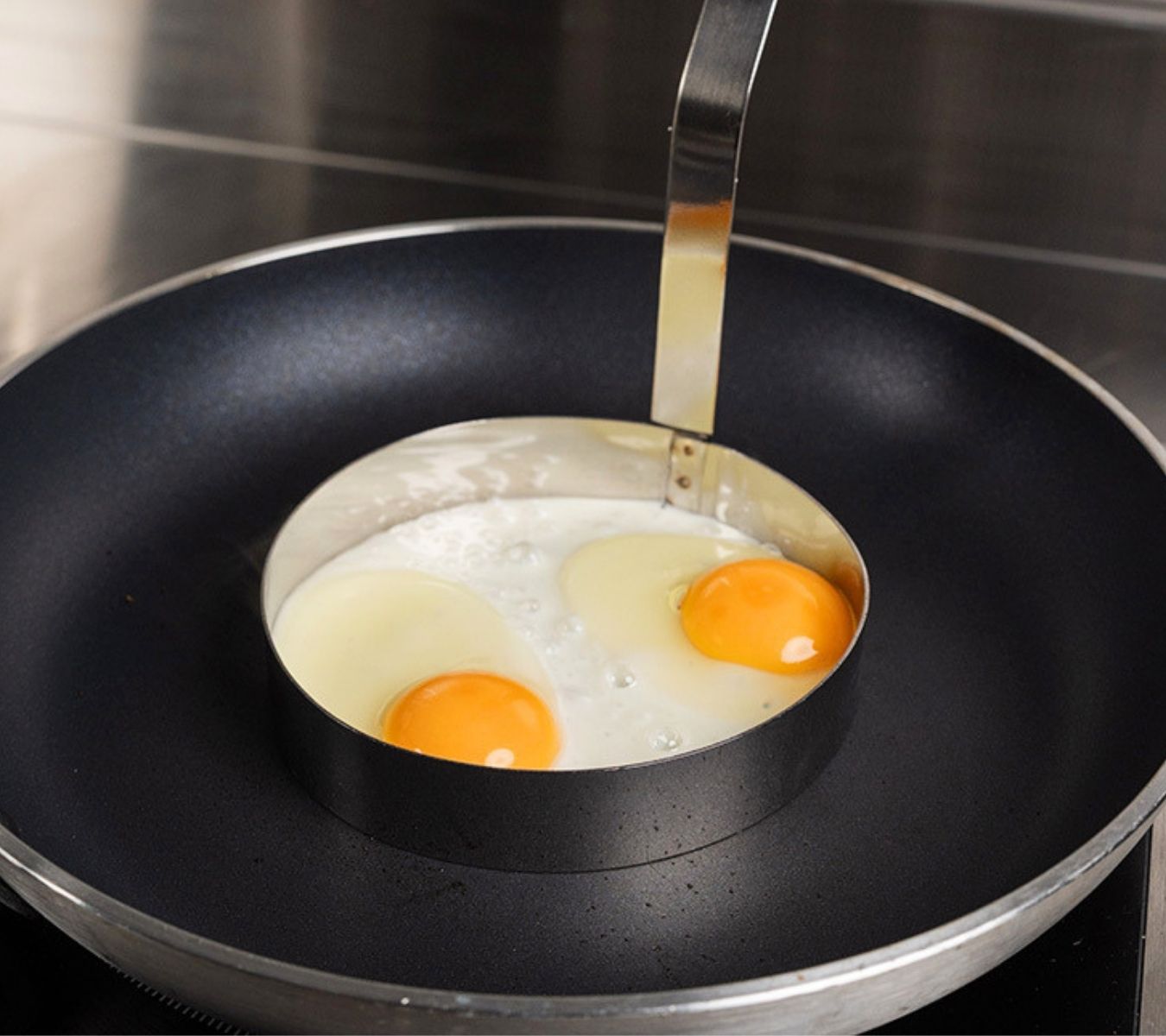
For a clean, round fried egg, a Stainless Steel Egg Ring Round 4" keeps the egg contained while it sets, useful for breakfast sandwiches and burgers. Place the ring in the pan, crack the egg in, and remove once the white has set. A consistent result every time, particularly useful for high-volume breakfast service.
Scrambled Eggs
Scrambled eggs divide opinion. Some like them firm and fluffy, others prefer them soft and almost custardy. Both are valid, but the method differs slightly.
Classic Scrambled Egg Recipe
Serves: 2
Time: 5 minutes
Ingredients:
- 4 eggs
- 1 tbsp butter
- 2 tbsp whole milk or cream (optional, for creamier eggs)
- Salt and white pepper

Method:
- Crack the eggs into a bowl. Add the milk or cream if using, and a pinch of salt. Beat well with a whisk until the yolks and whites are fully combined.
- Heat the butter in a non-stick pan over medium-low heat until melted but not browned.
- Pour in the egg mixture. Leave for 20 seconds until the edges just begin to set.
- Using a spatula, gently pull the egg from the edges into the centre of the pan. Repeat every 20–30 seconds rather than stirring constantly.
- Remove from the heat while the eggs still look slightly underdone. The residual heat finishes the cooking. They should be soft, glossy, and just set.
- Season with white pepper and serve immediately.
Use the Egg Whisk 8 Wire 30cm to beat the eggs before cooking. A good whisk incorporates more air than a fork, giving a lighter result. Eight wires means more contact with the egg as you beat, which is useful when whisking in volume.
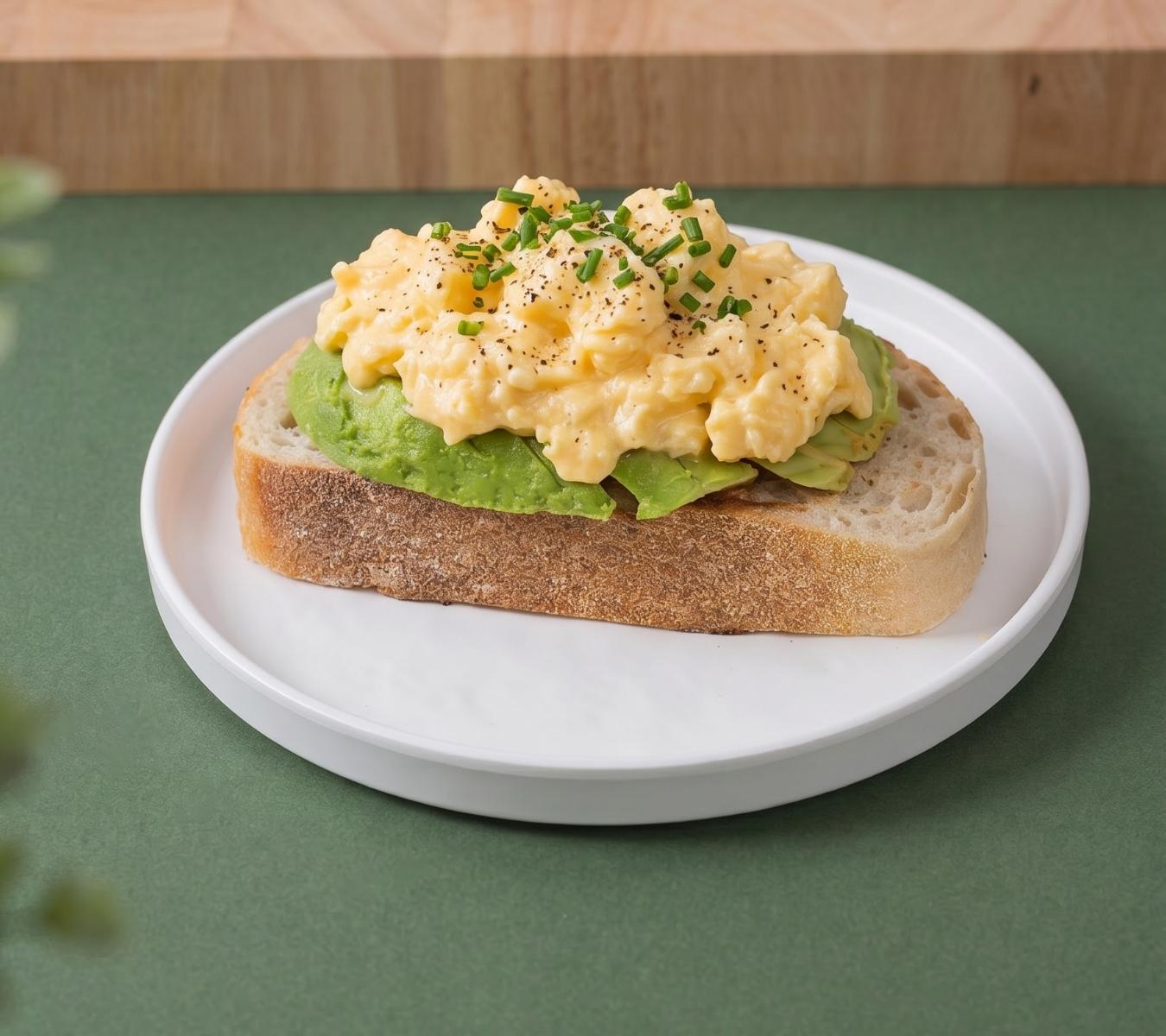
Scrambled egg on toast is the most common serve. It works on white, brown, wholemeal, or sourdough. Here are a few additions that make it better:
- A small spoonful of crème fraîche or cream cheese stirred in at the end
- Smoked salmon alongside, with a few capers
- Sliced avocado and chilli flakes
- Roasted cherry tomatoes
What to eat scrambled eggs with beyond toast:
- Warm bagels or brioche buns
- Smoked haddock or kippers
- Sautéed mushrooms and wilted spinach
Poached Eggs
Poaching is the method that intimidates most home cooks and separates a confident breakfast service from an inconsistent one. Timing and water temperature are everything.
Classic Poached Egg Recipe
Serves: 2
Time: 5–6 minutes
Ingredients:
- 2 very fresh eggs (fresher eggs hold their shape better in the water)
- 1 tsp white wine vinegar
- Water to fill a medium saucepan to around 8cm depth
Method:
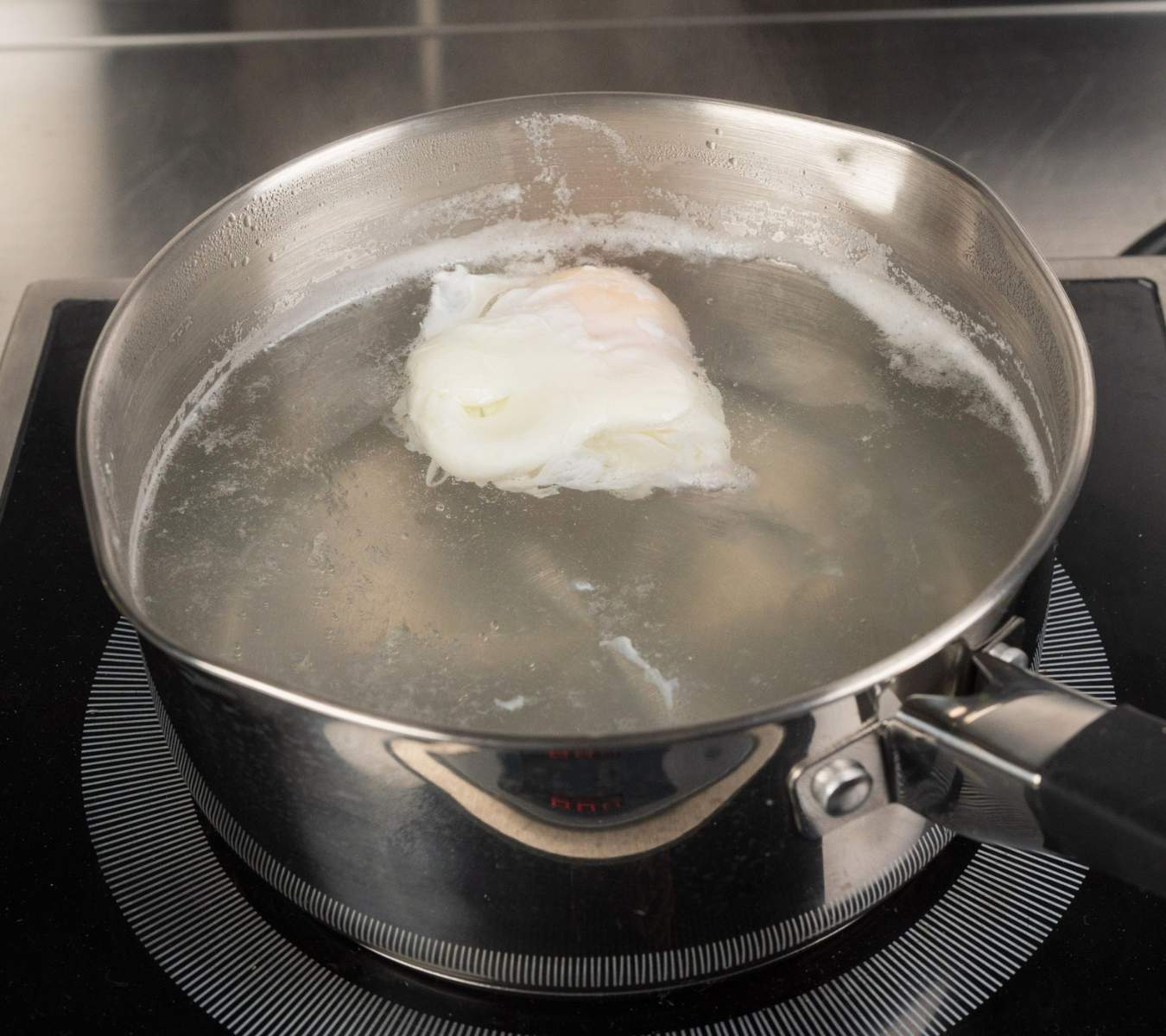
- Fill a medium saucepan with water to a depth of around 8cm. Bring to a gentle simmer (small bubbles rising steadily, not a rolling boil).
- Add the white wine vinegar.
- Crack each egg into a separate small cup or ramekin.
- Using a spoon, stir the water in one direction to create a gentle whirlpool. Slide the first egg in from the cup, lowering it close to the water surface.
- Cook for 3 minutes for a runny yolk, or 4 minutes for a semi-set yolk.
- Remove with a slotted spoon and drain briefly on kitchen paper before serving.
How Long Do Poached Eggs Take to Cook?
For most breakfast uses, such as eggs Benedict, poached eggs on toast, or avocado toast, 3 minutes gives you the classic result.
Using an Egg Poacher
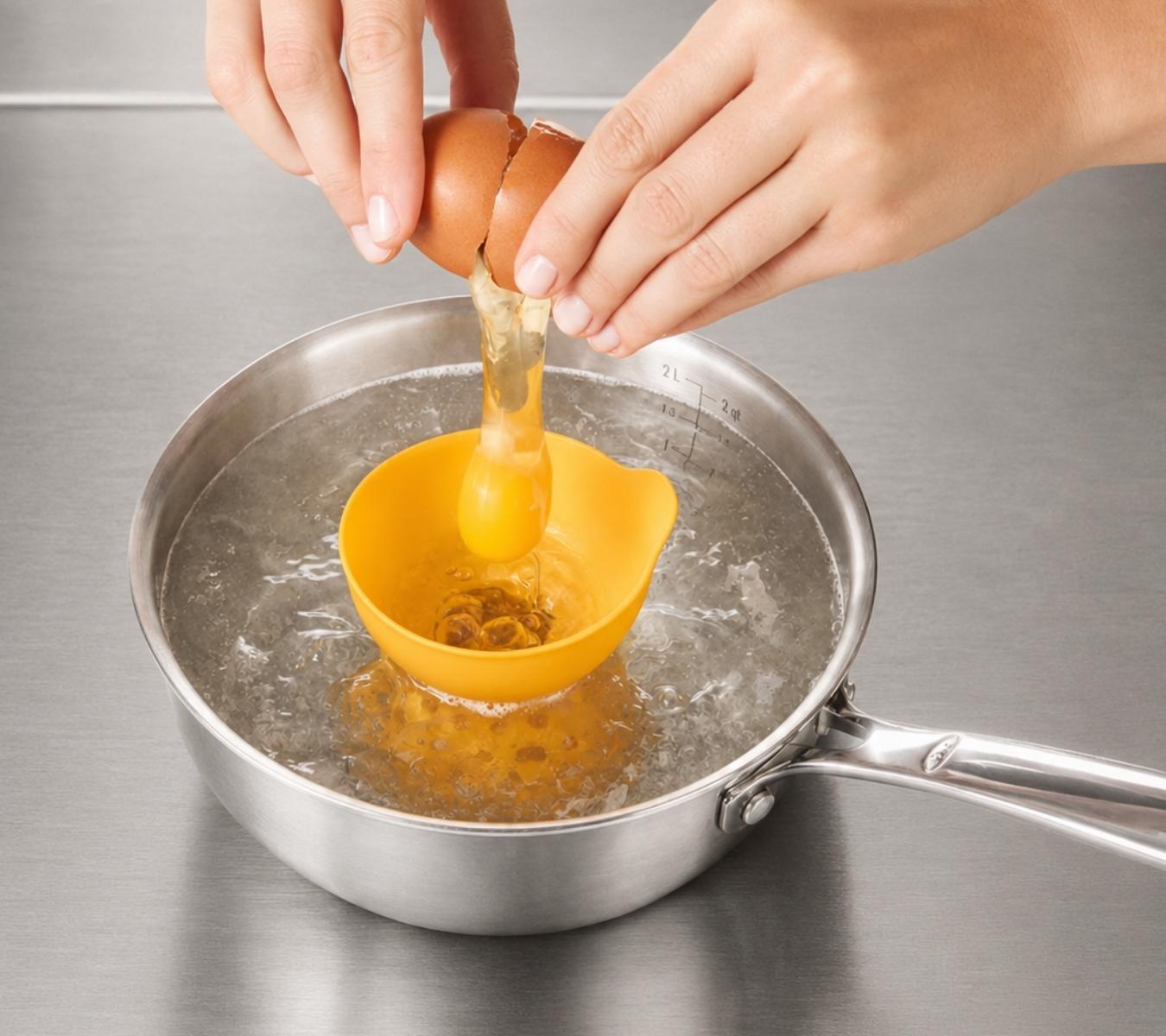
For kitchens running a busy breakfast service, the OXO 2-Piece Silicone Egg Poaching Set gives a consistent, foolproof poached egg without the freeform method. The silicone pods sit in simmering water, holding the egg in a neat shape. Easy to use, easy to clean, and produces a clean, round poached egg every time, making it ideal for high-volume breakfast services where presentation consistency matters.
What to serve poached eggs with:
- Toasted English muffins with hollandaise sauce (eggs Benedict)
- Sourdough toast with smashed avocado
- Wilted spinach and a slice of smoked salmon (eggs Florentine)
- A breakfast bowl with roasted vegetables and grains
Omelettes
An omelette is one of the most versatile breakfast items on any menu. It accommodates a wide range of fillings, works for all dietary preferences, and takes under five minutes to make.
Classic French Omelette Recipe
Serves: 1
Time: 4–5 minutes
Ingredients:
- 3 eggs
- 1 tbsp butter
- Pinch of salt
- Filling of your choice (see suggestions below)
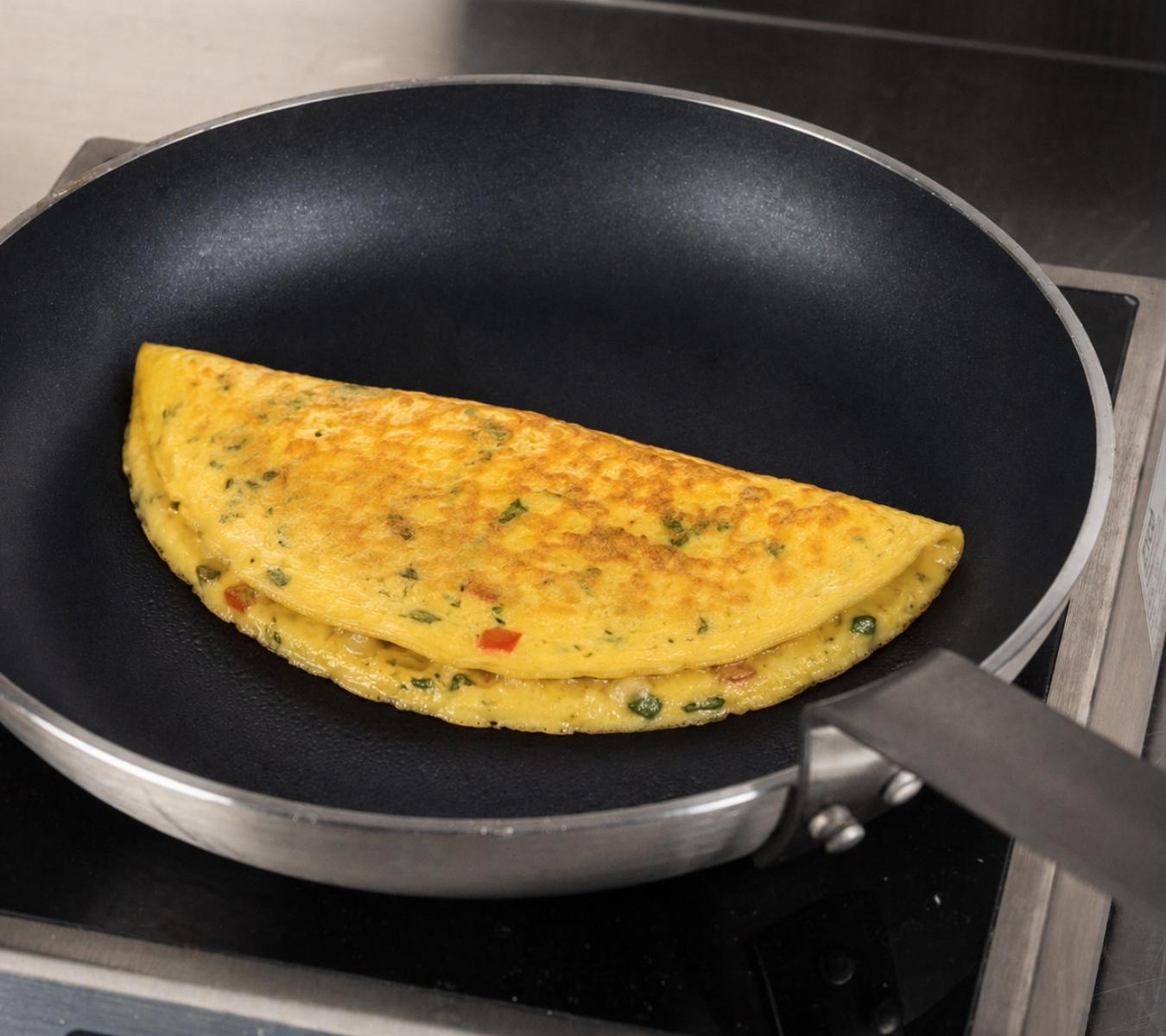
Method:
- Crack the eggs into a bowl and beat well with a pinch of salt until the yolks and whites are fully combined with no streaks.
- Heat the butter in a pan over medium-high heat until foaming.
- Pour in the eggs all at once. Using a spatula, immediately begin stirring in small circles while shaking the pan back and forth.
- As the egg begins to set at the edges, stop stirring and let it sit for 10–15 seconds.
- Add your filling across the centre of the omelette.
- Tilt the pan and use the spatula to fold the omelette in half, then roll onto a plate. The inside should still be slightly soft and creamy.
Popular omelette fillings:
- Cheddar cheese and chives
- Mushroom and gruyère
- Spinach and feta
- Smoked salmon and cream cheese
- Ham and tomato
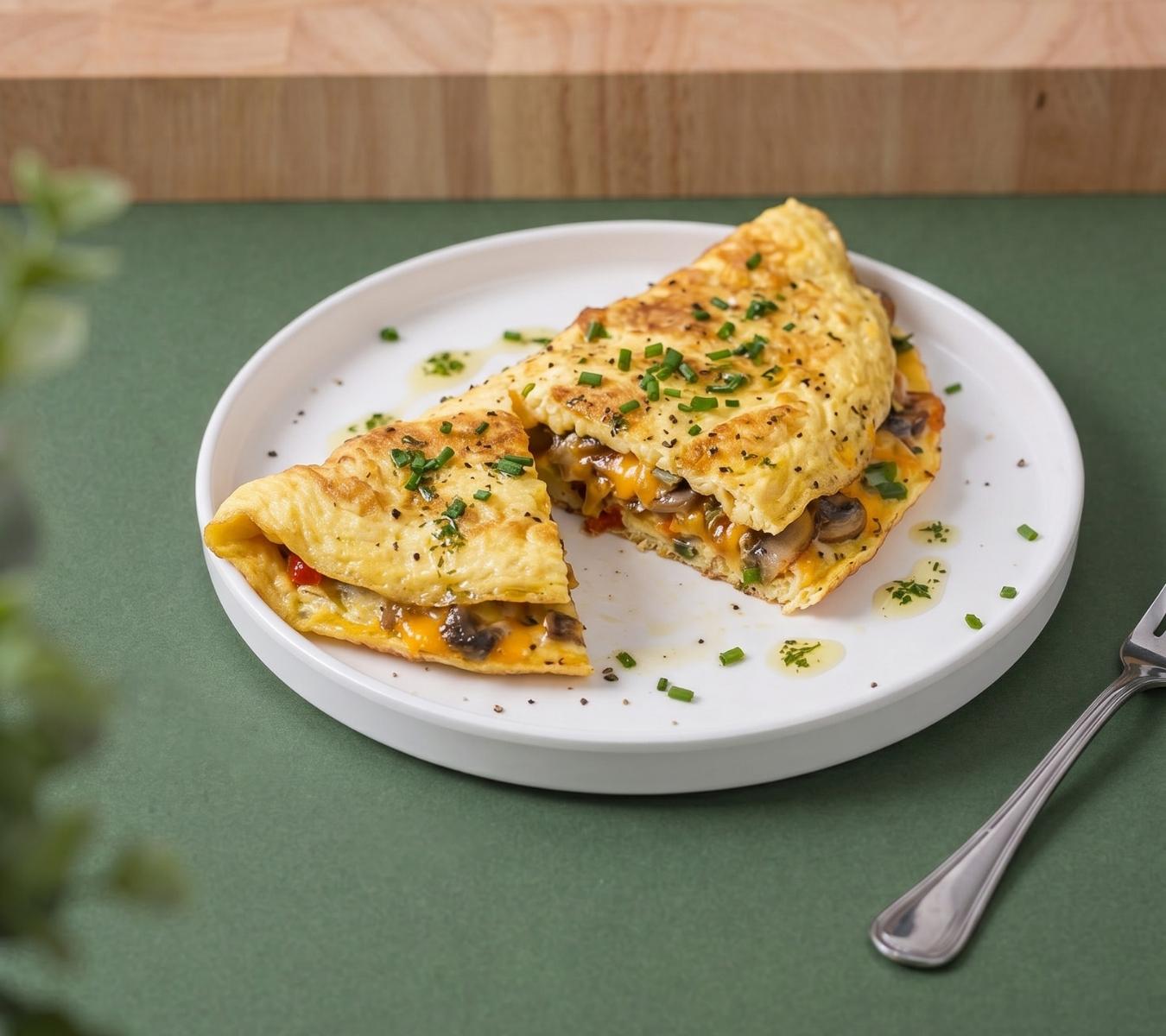
The Aluminium Omelette Pan 26cm is worth having as a dedicated pan for this. The wide, shallow profile and even heat distribution give you better control over the egg as it sets, which matters when you're trying to roll a French omelette cleanly onto a plate. Aluminium heats quickly and responds well to temperature changes, making it easier to avoid overcooking.
Boiled Eggs
A boiled egg in a breakfast setting is a staple. It’s quick to prepare, easy to serve, and popular across hotel buffets, B&Bs, and home kitchens.
Classic Soft Boiled Egg Recipe
Serves: 2
Time: 10 minutes
Ingredients:
- 2 eggs, at room temperature
- Cold water to cover
Method:
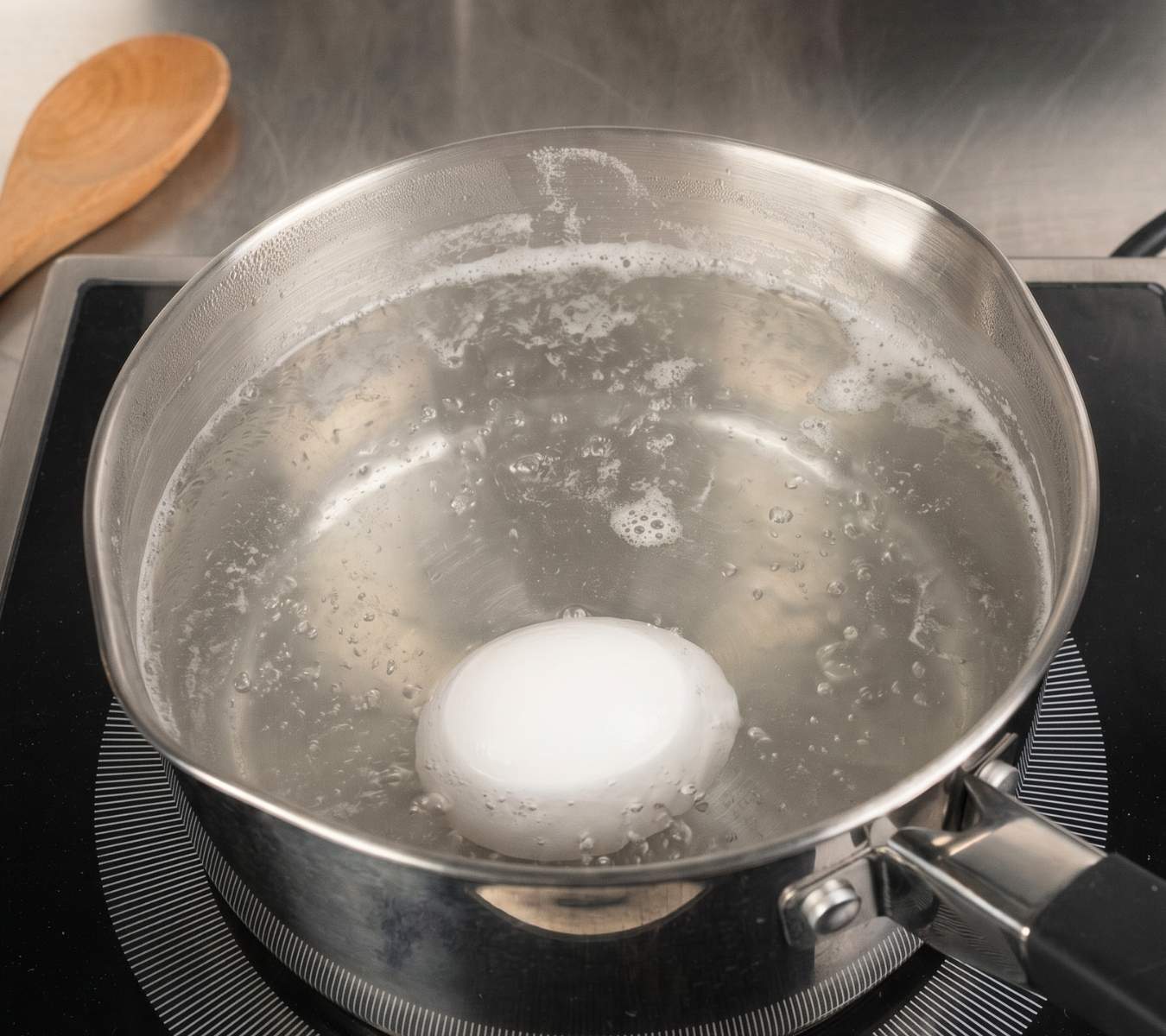
- Place the eggs in a small saucepan and cover with cold water by about 2cm.
- Bring to a boil over medium-high heat.
- Once boiling, reduce to a steady simmer and begin timing depending on your preferred level of doneness.
- Transfer immediately to a bowl of cold water for 1–2 minutes to stop the cooking.
- Peel or serve in an egg cup.
Boiled Egg Timing
Start eggs in cold water, bring to a boil, then time from boiling point. Transfer to cold water immediately after to stop the cooking.
What to Have with Boiled Eggs
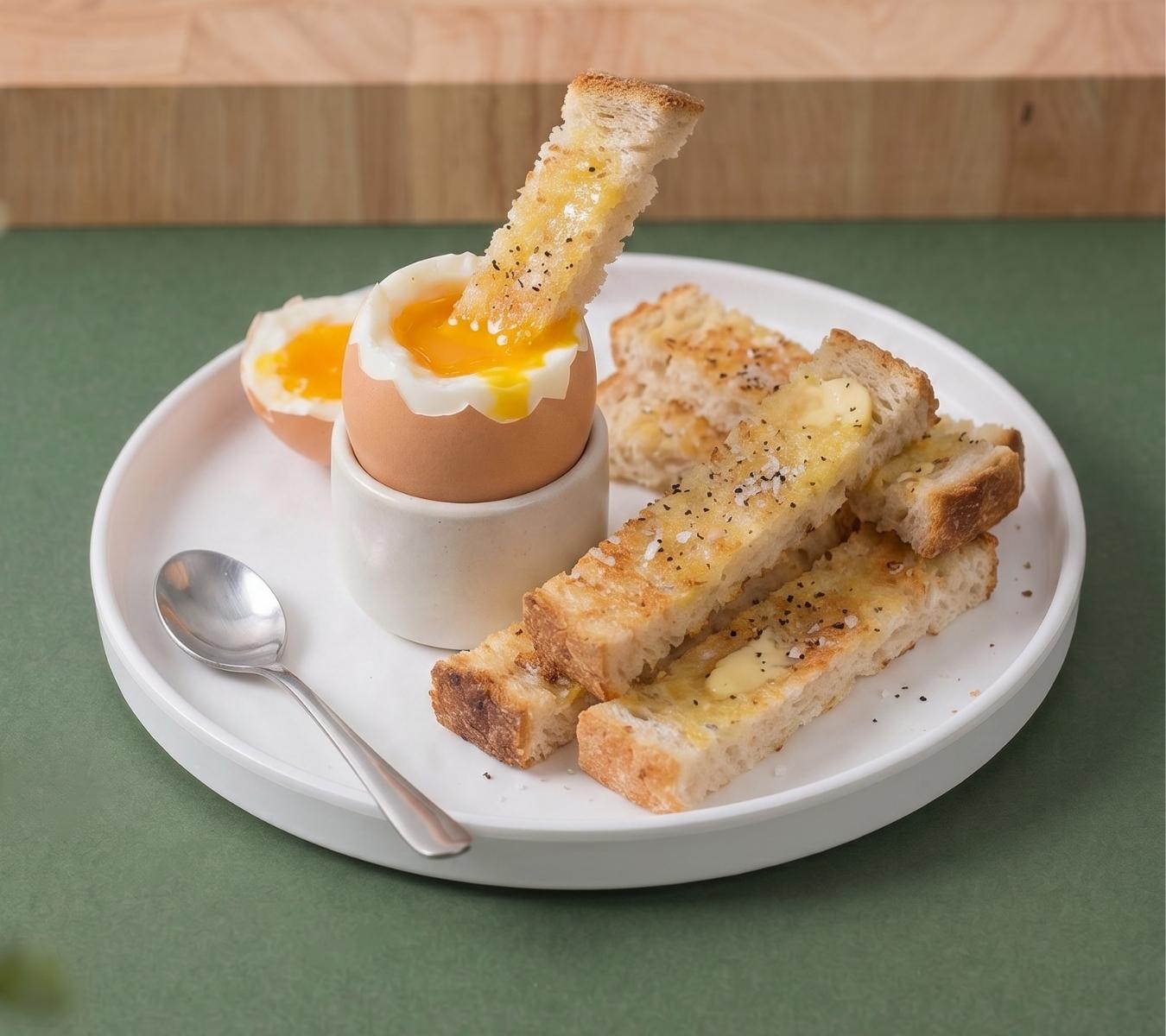
- Soft boiled: Soldiers (strips of buttered toast), sliced cucumber, or cured meats for dipping
- Medium boiled: Sliced on avocado toast, in a grain bowl, or on a breakfast salad
- Hard boiled: Sliced on a buffet spread, chopped into a sandwich, or as part of a ploughman's-style breakfast board.
The Egg Slicer Cast Aluminium 4.5" makes slicing boiled eggs quick, clean, and consistent. Useful on a buffet where presentation matters and speed of service is a priority. The cast aluminium means it's durable enough for daily commercial use.
Using Up Egg Yolks: Recipes with Egg Yolks
If you're separating eggs for meringue, a pavlova, or egg white omelettes, you'll end up with leftover yolks. Egg yolks are rich in fat and flavour, so they're worth using rather than discarding.
The Egg Yolk Separator makes separating whites from yolks clean and quick, with no passing the yolk between shell halves and no risk of breaking it into the white. Useful for efficient high-volume baking or when separating multiple eggs at once.
Recipes with egg yolks: things to make with leftover yolks:
- Hollandaise sauce - the classic accompaniment to eggs Benedict, made entirely from egg yolks, butter, and lemon
- Crème brûlée or crème caramel - egg yolks set the custard base
- Homemade mayonnaise - emulsified with oil and a little mustard
- Carbonara - egg yolks form the sauce base with Parmesan and pasta water
- Lemon curd - yolks give it the rich, silky texture
- Custard - for pouring over puddings or making into ice cream
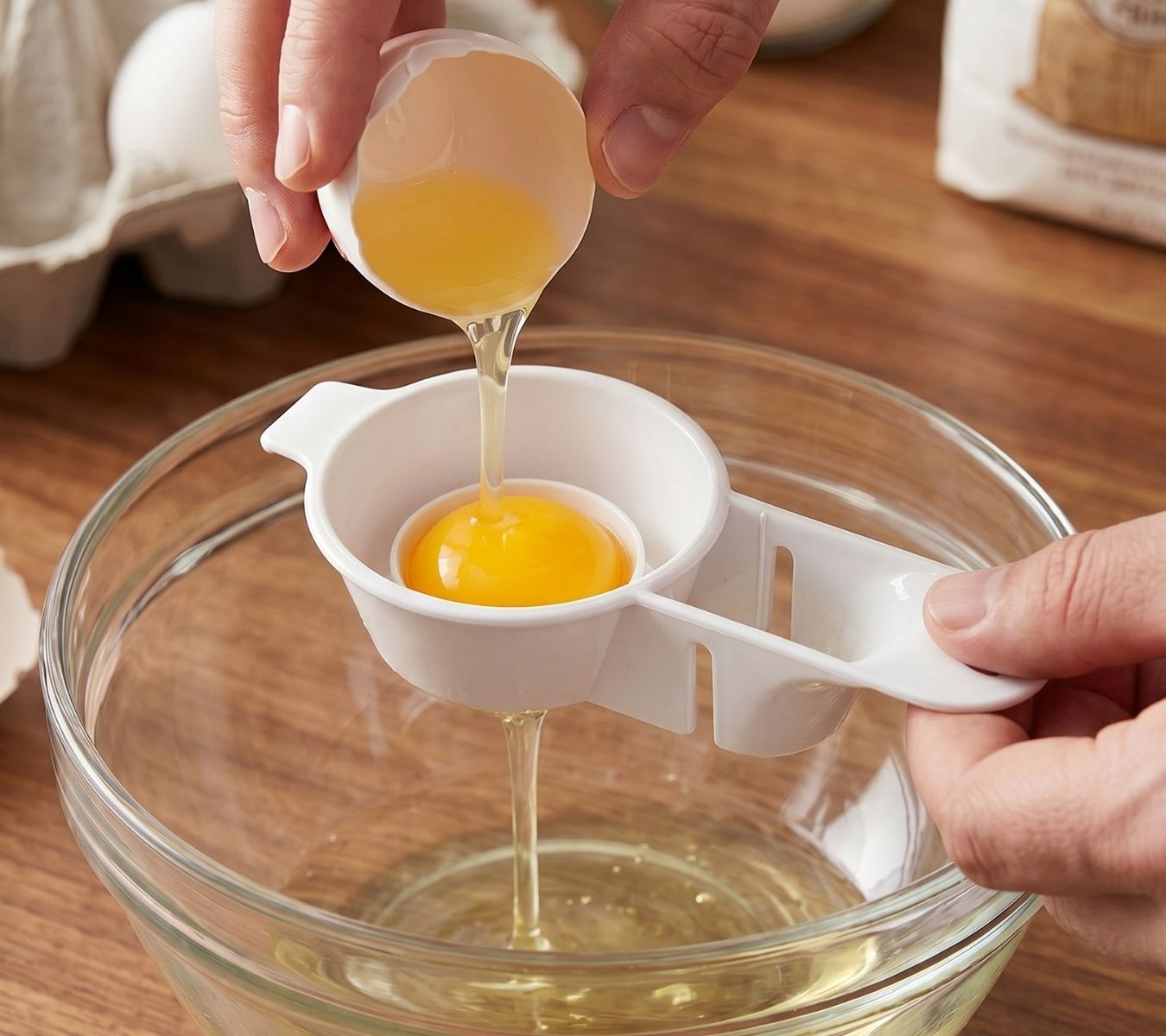
None of these go to waste if you plan your menu around them. For a breakfast or brunch service, hollandaise is the obvious starting point as it uses yolks directly and adds a premium item to your eggs Benedict offer.
Classic Hollandaise Sauce Recipe
Hollandaise is the sauce that turns a poached egg into eggs Benedict. It sounds technical but follows a straightforward method once you understand what you're doing.
Makes: Enough for 4 portions
Time: 15 minutes
Ingredients:
- 3 egg yolks (use the Egg Yolk Separator to separate cleanly)
- 150g unsalted butter
- 1 tbsp cold water
- 1 tbsp lemon juice
- Salt and white pepper
- A pinch of cayenne pepper (optional)

Method:
- Melt the butter in a small saucepan over low heat. Set aside and keep warm.
- Place the egg yolks and cold water in a heatproof bowl. Set the bowl over a pan of gently simmering water, the base of the bowl should not touch the water.
- Whisk the yolks continuously over the heat until the mixture thickens and becomes pale. It should leave a trail when the whisk is lifted. This takes around 4-5 minutes. Do not let the mixture get too hot, or the eggs will scramble.
- Remove the bowl from the heat. Very slowly add the melted butter in a thin, steady stream, whisking constantly. The sauce will thicken and emulsify as the butter is incorporated. Add only the clear yellow butter, stop before you reach the white milk solids at the bottom.
- Once all the butter is incorporated, stir in the lemon juice. Season with salt, white pepper, and a pinch of cayenne if using.
- Serve immediately, or keep warm by setting the bowl back over the pan of hot water (off the heat) for up to 20 minutes. Stir occasionally.
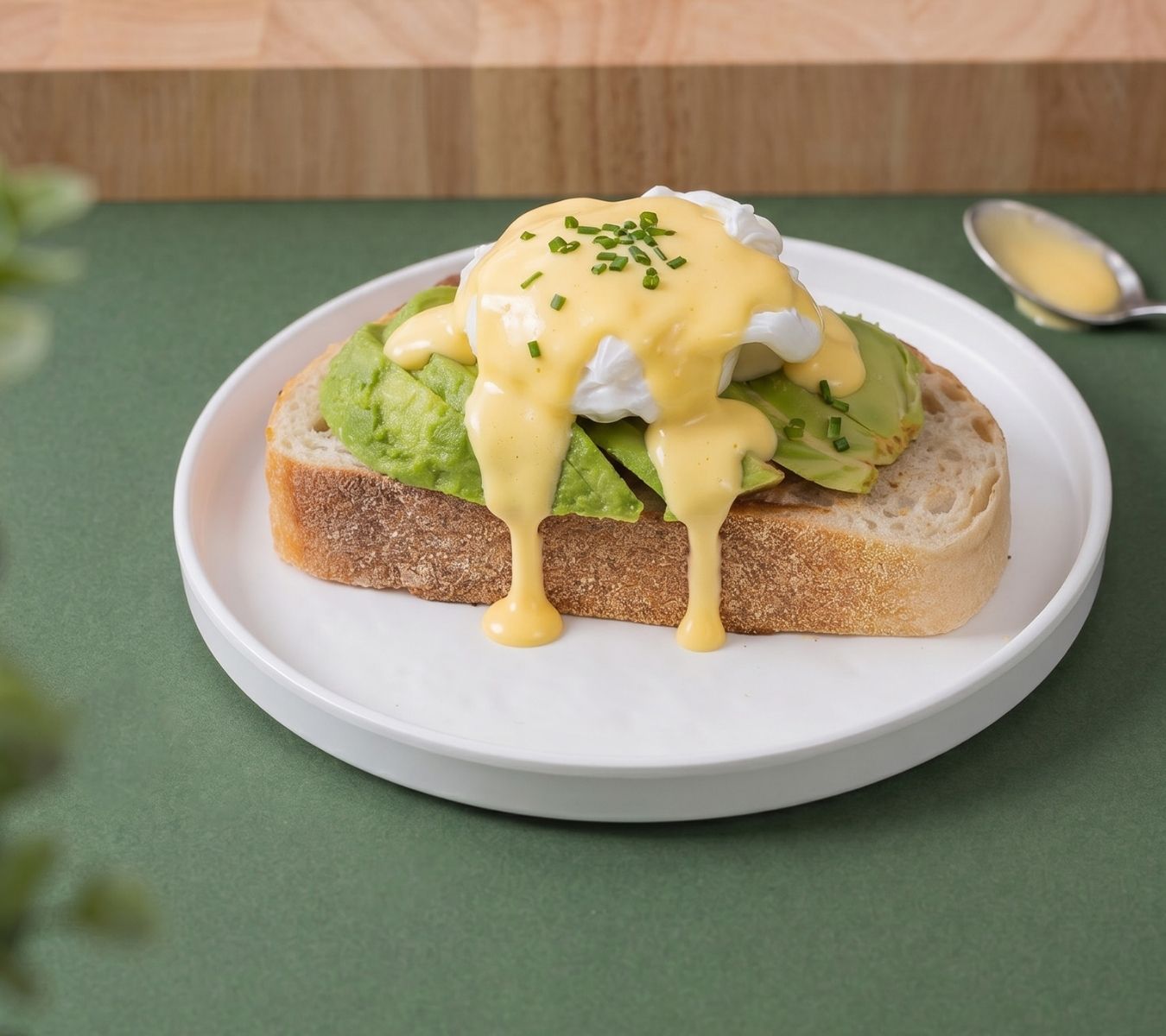
To serve: Spoon generously over a poached egg on a toasted English muffin with a slice of smoked salmon for a proper Eggs Benedict.
Egg Equipment from Cooksmill
Eggs are one of the most consistently ordered items on any breakfast menu, and getting them right comes down to having the right tools. This makes a difference to the speed, consistency, and quality of what you put on the plate.
Whether you're equipping a hotel breakfast kitchen, setting up a cafe, or just upgrading what you have at home, Cooksmill stocks everything covered in this guide. Browse our full range of cookware, kitchen utensils, egg preparation tools and food storage at Cooksmill, or visit us in-store.