National Ice Cream Day falls on Sunday 19 July 2026, and it sits right in the middle of National Ice Cream Month. For food businesses, it's one of the most commercially useful dates of the summer. Customers are already in the mood for a cold sweet treat, and a well-timed menu feature or social media post can drive real footfall with very little effort.
Here's what's happening in the ice cream world this summer, two recipes worth putting on the menu, and a run-through of the equipment and supplies you'll need to serve it properly.
What is Ice Cream Made of?
At its core, ice cream is a frozen dairy dessert made from cream, milk, sugar, and a flavouring. Most quality recipes also use egg yolks as an emulsifier, which binds the fat and water together during churning and gives the finished ice cream its smooth, rich texture.
The churning process introduces air into the mixture as it freezes. Get the balance right and you get a soft, scoopable ice cream. Too little air and it freezes solid; too much and it loses body. Fat content matters too as most quality ice creams sit between 10% and 16% milkfat, with higher fat producing a creamier, denser result.

What is the Difference Between Ice Cream and Sorbet?
A question that comes up constantly around National Ice Cream Day. The answer is straightforward, ice cream contains dairy, sorbet does not. Sorbet is made from fruit puree or juice, sugar, and water, with no cream, no milk, no eggs. It's lighter, icier, and has a cleaner, more direct fruit flavour. For commercial kitchens, offering both gives you wider menu reach, covering dairy-free customers and those who want something lighter alongside your core ice cream offering.
| Feature | Ice Cream | Sorbet |
|---|---|---|
| Base | Cream, milk, eggs | Fruit puree, water, sugar |
| Dairy | Yes | No |
| Texture | Rich and creamy | Light and icy |
Ice Cream Flavours: What's Trending in 2026
Classic flavours still dominate sales. Vanilla remains the most popular ice cream flavour in the UK by a significant margin, with chocolate and salted caramel consistently close behind. But the flavours generating attention this summer are more unconventional, and that's worth paying attention to.
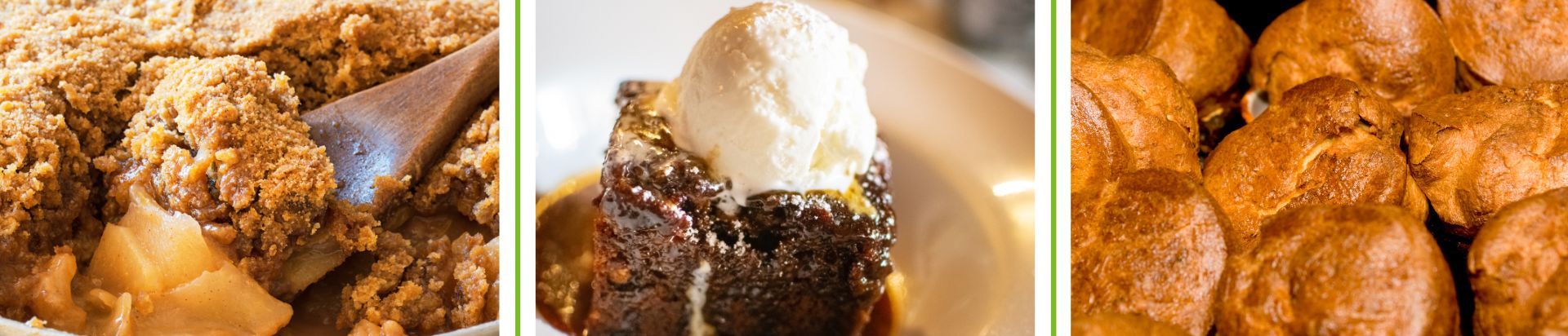
The Ice Cream Project is back for its fifth year, with flavours including Lurpak butter, Aunt Bessie's Yorkshire Puddings, OXO stock cube, and Paxo stuffing. Each one is a direct homage to a classic British brand. The commercial lesson here isn't that you should start making gravy ice cream. It's that a single bold, well-executed seasonal flavour gets attention in a way that a safe menu never will.
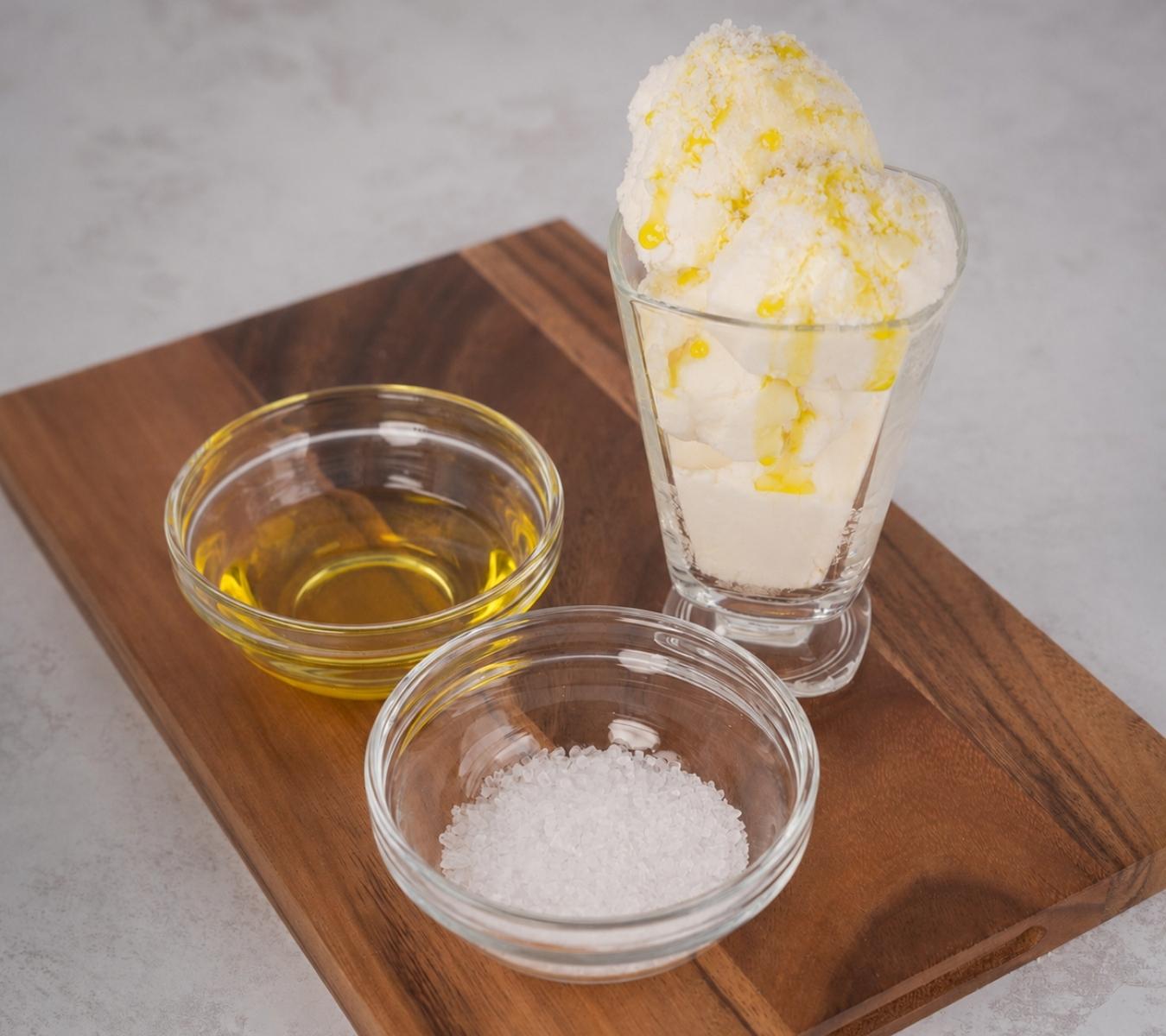
One current trend that has crossed over from social media into mainstream menus is vanilla ice cream with olive oil and flaky sea salt. The pairing has roots in fine dining. Quality olive oil adds a subtle peppery richness that amplifies vanilla, while the salt cuts through sweetness and adds texture.
It's now moved well beyond niche restaurants. M&S launched a dedicated olive oil ice cream this summer, served with an extra drizzle and a pinch of sea salt. It's one of the easiest and most profitable upsells in the dessert world, a scoop of good vanilla ice cream, a small drizzle of olive oil, a pinch of flaky salt, and a premium price point is entirely justified.
Ice Cream Sauces and Toppings
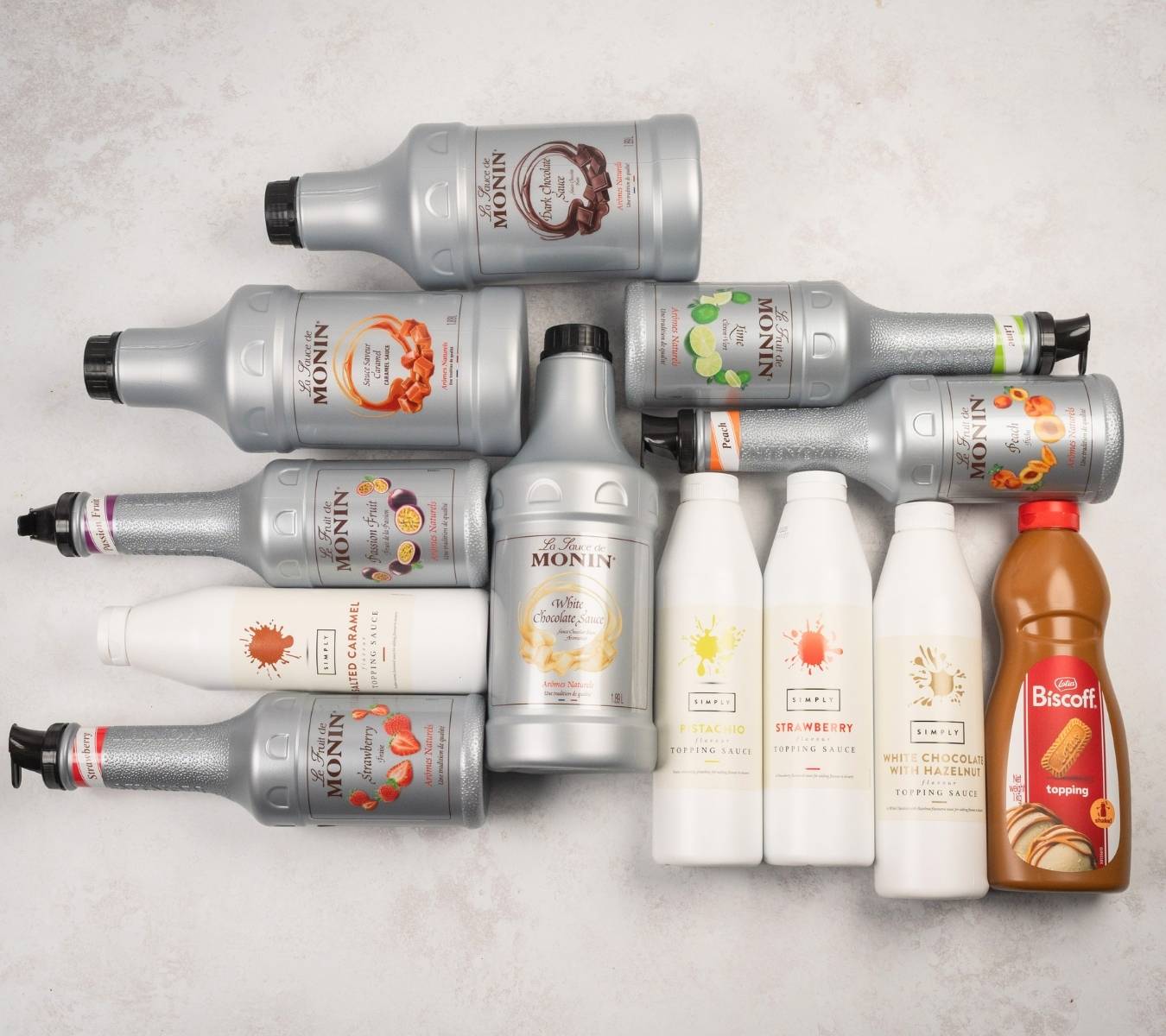
Toppings are where ice cream service becomes genuinely profitable. A well-chosen sauce turns a simple scoop into a plated dessert, and customers offered a choice of toppings almost always spend more. The most popular ice cream toppings and sauces right now include:
- Salted caramel sauce - consistently the strongest performer on most menus
- Warm chocolate fudge sauce for sundaes
- Raspberry and mango coulis for a lighter fruit finish
- Honey - particularly hot honey, which is growing fast
- Olive oil and flaky sea salt on vanilla
- Crushed pistachios, toasted hazelnuts, and almonds
- Crumbled shortbread or waffle cone pieces for texture
For consistent, professional-quality sauces without the production time, our Simply Sauces and Monin Gourmet Sauces ranges cover chocolate, caramel, and fruit options designed for high-volume use.
How to Make Strawberry and Clotted Cream Ice Cream
This proper British summer ice cream features ripe strawberries, clotted cream, and a clean vanilla base. Rich without being heavy, and distinctive enough to stand out on a menu without feeling too out of the box.
Makes approximately 1 litre / serves 8–10
Ingredients:
- 400g fresh ripe hulled strawberries
- 100g caster sugar
- 250ml double cream
- 200g clotted cream
- 150ml whole milk
- 3 large egg yolks
- 1 tsp vanilla extract
- Juice of half a lemon

Method:
- Toss the strawberries with 40g of the sugar and the lemon juice. Leave to soften and breakdown for 30 minutes, then blitz to a smooth puree. Pass through a fine sieve to remove seeds. Set aside.
- Warm the double cream and milk in a saucepan until just steaming.
- Whisk the egg yolks with the remaining 60g of sugar until pale and thickened. Pour the warm cream over the egg mixture slowly, whisking constantly, then return to the pan and cook gently until it coats the back of a spoon.
- Remove from heat. Whisk in the clotted cream and vanilla extract until smooth. Cool completely over an ice bath.
- Stir the strawberry puree through the cooled custard base. Add to an ice cream churner for the best consistency.
Serve in a Stephanie ice cream cup, portioned with a size 20 cast aluminium ice cream dipper for consistent scoops. Finish with a drizzle of warm strawberry coulis and a small piece of shortbread.
This recipe scales well for batch production. Store in sealed ice cream containers with lids and label with the date. Clotted cream ice cream is best consumed within two weeks of churning for optimum texture.
How to Make Mango and Lime Sorbet
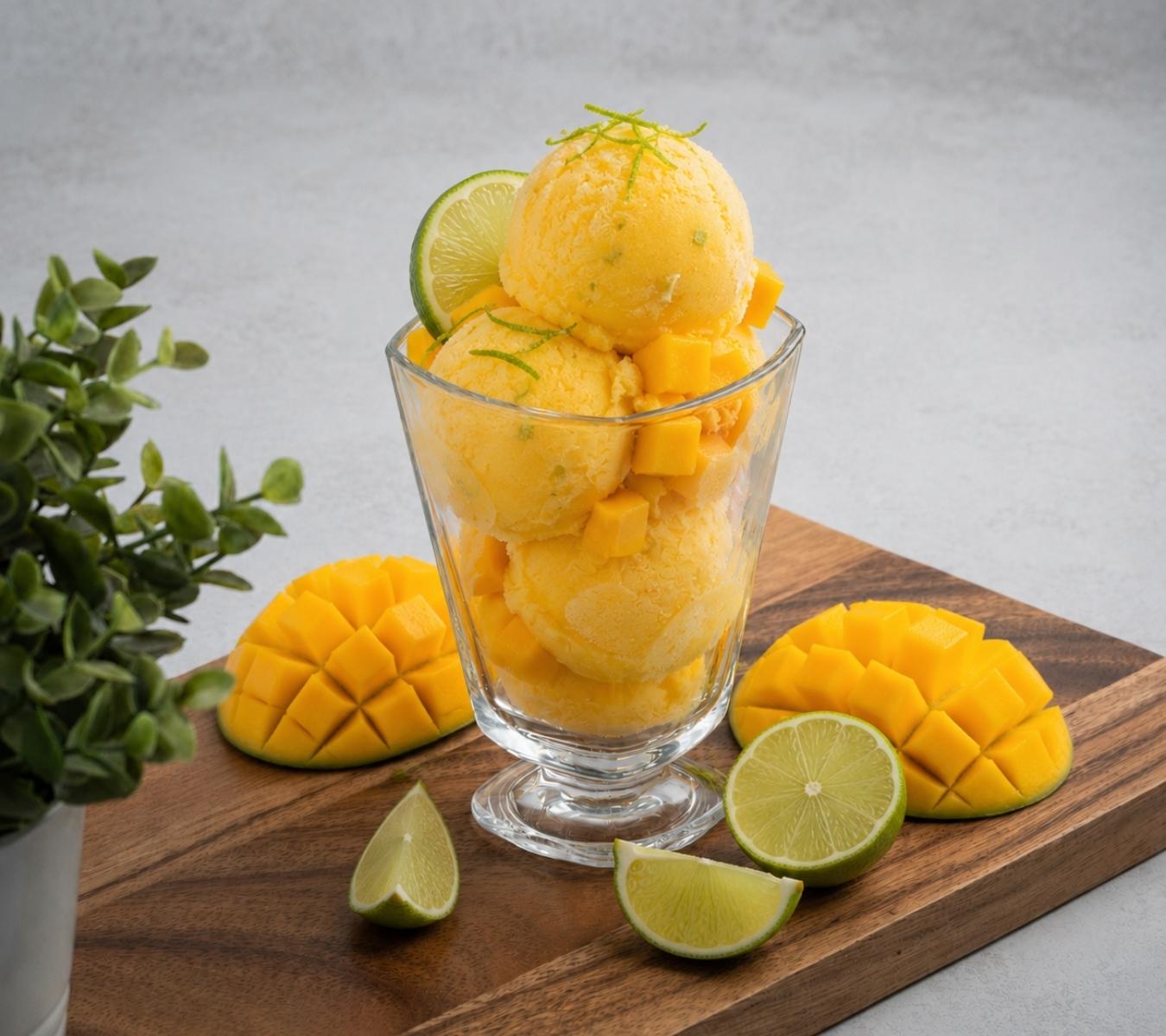
Fresh, vibrant, and naturally dairy-free, this sorbet is one of the most reliable sellers on a summer menu. Mango has broad appeal across all age groups and dietary requirements, the lime keeps it sharp and prevents it from being too sweet, and the colour alone makes it eye-catching in a display freezer or on a plate.
Makes approximately 800ml / serves 6–8
Ingredients:
- 600g ripe mango flesh (approximately 2 large mangoes or good quality frozen mango, defrosted)
- 150g caster sugar
- 120ml water
- Juice and zest of 2 limes
- Pinch of flaky sea salt
Method:
- Make a simple syrup by combining the sugar and water in a small pan over a medium heat, stirring until dissolved. Simmer for 2 minutes, then leave to cool completely.
- Blitz the mango to a smooth puree. Pass through a sieve if you want a cleaner, smoother texture.
- Combine the mango puree, cooled syrup, lime juice, lime zest, and sea salt. Taste, it should be noticeably sweet, as freezing dulls sweetness significantly. Adjust with a little more lime juice if needed to balance.
- Churn in your ice cream machine until thick and smooth.
- Transfer to a container and freeze for at least 3 hours before serving.
Serve in disposable ice cream tubs for outdoor events or festivals, with disposable wooden ice cream spoons or Tutti Frutti paper spoons for a clean, eco-friendly serve. For plated dessert service, a scoop alongside the strawberry clotted cream ice cream makes a strong two-flavour combination. The tartness of the sorbet works well against the richness of the dairy ice cream.
The Equipment You Need
Whether you're making ice cream in-house or buying it in and serving it up, the right equipment makes a real difference to consistency, speed, and presentation.
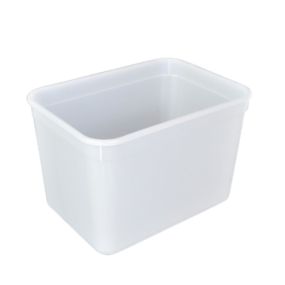
For production, our range of ice cream machines is made for commercial use, giving you classic soft serve ice cream with every use. For storage and display, our Napoli ice cream containers offer a professional options, while the natural 2 litre containers with matching lids keep batches fresh and freezer-ready, both at home and in commercial settings
For service, a cast aluminium size 20 ice cream dipper gives you consistent 2oz portions every time. The Stephanie ice cream cup works for both sit-down restaurants, while the disposable ice cream tubs with wooden or paper spoons are ideal for events, keeping service quick and waste manageable.
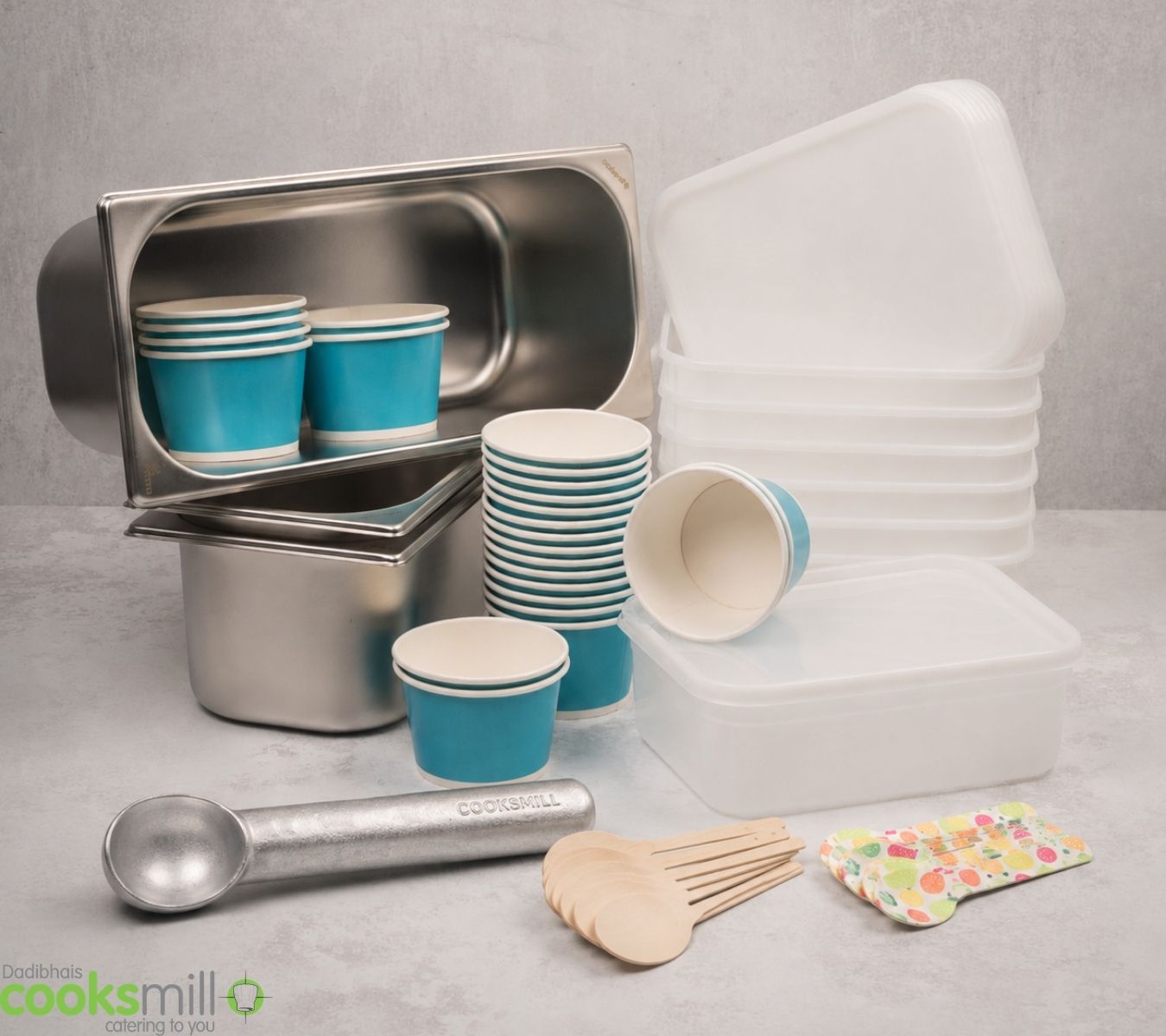
Shop Ice Cream Essentials at Cooksmill
Whether you're serving customers or setting up a home ice cream station this summer, Cooksmill has everything you need to produce, store, and serve ice cream properly. From ice cream machines and storage containers to scoops, serving cups, disposable tubs, and sauces, it's all in one place.
Cooksmill has been supplying the UK hospitality and food service industry for decades, and our pricing, broad product range, and fast UK delivery make us a go-to for caterers, event operators, restaurants, and food businesses of all sizes. Whatever you're scooping this National Ice Cream Day, we've got you covered.