As the days grow longer and the air takes on the freshness of spring, there’s a natural urge to shake off the heaviness of winter and embrace something lighter, brighter, and altogether more celebratory. Nothing signals the return of brighter days better than a beautifully roasted leg of lamb cooked in delicious springtime herbs shared with friends and family.
Whether you’re a passionate home cook or just beginning to experiment with roasts, preparing the perfect leg of lamb doesn’t require professional training, just a few clever techniques, some kitchen confidence, and the right tools. In this guide, we’ll walk you through everything you need to know, from choosing your lamb to carving and serving, with handy recommendations for must-have roasting gear.
Why Lamb Is Perfect for Spring
Lamb is naturally tender, flavourful, and versatile, with a taste that pairs well with the vibrant notes of spring. Whether seasoned with garlic and rosemary, infused with lemon and thyme, or rubbed with bold spices for a Mediterranean flair, lamb is a meat that lends itself well to creativity while still being approachable and satisfying.
While lamb can be enjoyed all year round, there’s something especially fitting about roasting a leg of lamb in spring. The aroma of fresh springtime herbs, the sizzle from the roasting tray, and the anticipation of that first juicy slice all contribute to a meal that feels like a celebration of the season.
Additionally, the arrival of spring often brings festive occasions, where lamb can serve as a centrepiece, enhancing the celebratory atmosphere with its succulent taste. It's a great dish to bring all the family together. Cooksmill is here to help you create the perfect experience whether it's bringing the family together at home or eating out.

Choosing Your Leg of Lamb
The first step in creating the perfect roast is selecting the right cut. A whole leg of lamb usually weighs between 2 to 2.5 kg and can feed six to eight people comfortably. If you’re cooking for a smaller group, a half-leg is a good option.
Bone-in vs. Boneless:
A bone-in leg of lamb offers more flavour and makes for an impressive presentation, but it requires slightly more carving skills. A boneless leg is easier to slice and can be stuffed or tied for even cooking.
Freshness and Quality:
Look for lamb that has a pinkish-red hue and firm, creamy white fat. Spring lamb tends to be more tender and milder in flavour than lamb from older animals, which makes it ideal for roasting.
The Perfect Seasoning
When it comes to lamb, simple is often best. A classic seasoning of garlic, rosemary, olive oil, salt, and black pepper is timeless for a reason. It enhances the lamb’s natural richness without overpowering it. That said, you can tailor your seasoning to match your preferred flavour profile:
- Lemon & Oregano: For a Greek twist
- Mint & Dijon Mustard: Bright and tangy
- Harissa & Cumin: A North African-inspired kick
Pro tip: Make small incisions all over the leg and tuck slivers of garlic and sprigs of rosemary or thyme into them. This allows the flavour to permeate the meat as it cooks.
Preparing to Roast
Before the lamb goes into the oven, bring it to room temperature for at least 30–45 minutes. This ensures even cooking and helps the meat retain its juices.
Tools You’ll Need:
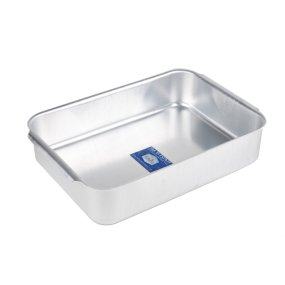
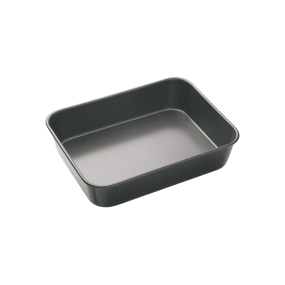
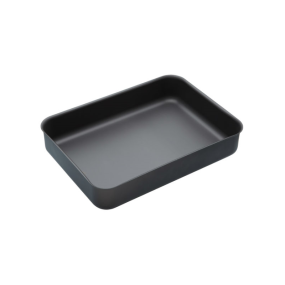
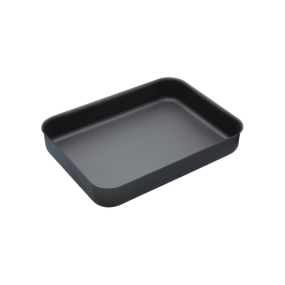
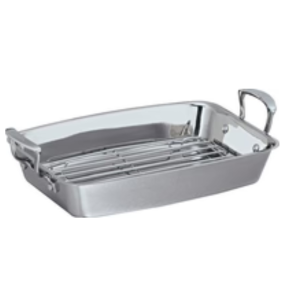
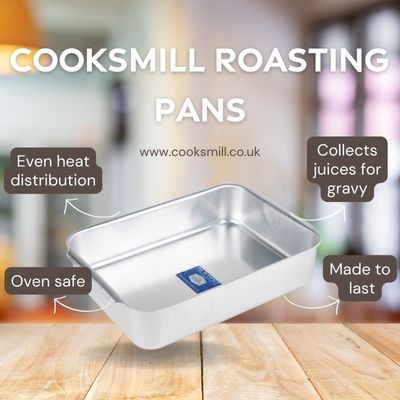
- Sturdy Roasting Tray: A heavy-duty roasting tray is essential for even heat distribution and to collect all those delicious juices that will become your gravy. Our premium roasting trays are oven-safe, easy to clean, and built to last season after season.
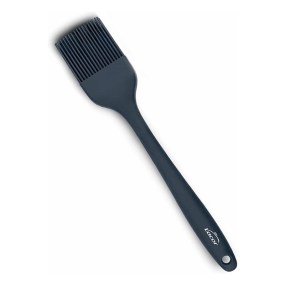
- Basting Brush: Keep the meat juicy and the crust golden with a basting brush. Brushing the lamb with its own pan juices or a mixture of olive oil and herbs every 20–30 minutes ensures maximum flavour and prevents dryness.
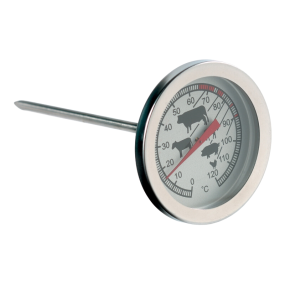
- Meat Thermometer: For perfect doneness every time a meat thermometer is the perfect tool. Aim for 55–60°C for medium-rare, 60–65°C for medium, and 70°C+ for well done.
Spring Meadow Mint-Infused Lamb Recipe
Ingredients:
- 1 (4-5 lb) bone-in leg of lamb
- For the Marinade:
- 1 cup packed fresh mint leaves
- 1/2 cup extra virgin olive oil
- 3 cloves garlic, roughly chopped
- 1 small shallot, roughly chopped
- 1/4 cup white wine vinegar
- 1 tablespoon honey
- 1 teaspoon sea salt
- 1/2 teaspoon freshly ground black pepper
- 1/4 teaspoon ground cardamom
- For the Roast:
- 2 sprigs fresh rosemary
- 1 lemon, thinly sliced
- 1/2 cup chicken stock
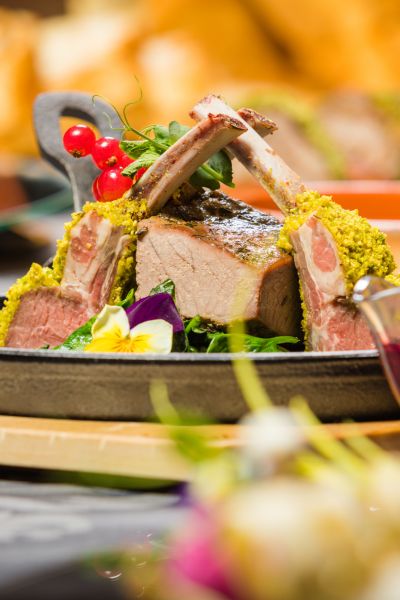
- For the Mint "Dust" Finish:
-
- 1/4 cup dried mint flakes, finely ground
- 1 tablespoon lemon zest
Instructions:
1. Mint Marinade Magic:
- In a blender or food processor, combine all marinade ingredients. Blend until smooth and vibrant green.
- Place the lamb in a large, sealable bag or dish. Pour the marinade over the lamb, ensuring it's well coated. Marinate in the fridge for at least 4 hours, or preferably overnight.
2. Roasting with Aromatics:
- Preheat oven to 160°C (325°F).
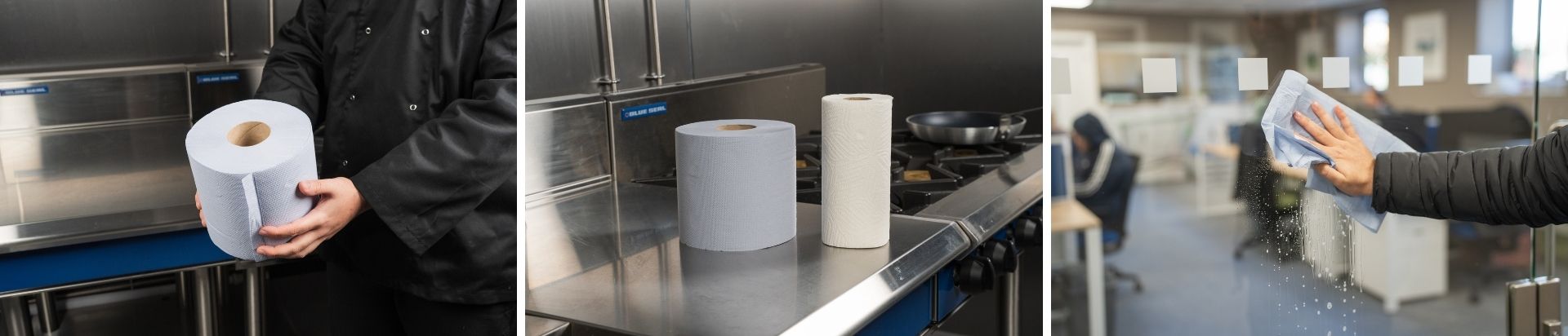
- Remove the lamb from the marinade, reserving the marinade. Pat the lamb dry with paper towels.
- Place the lamb in a roasting pan. Tuck rosemary sprigs and lemon slices around the lamb.
- Pour the chicken stock into the bottom of the pan.
- Roast for approximately 20 minutes per gram, or until an instant-read thermometer inserted into the thickest part of the lamb reaches 54-57°C for medium-rare, or 57-60°C for medium.
- Baste the lamb with the pan juices every 30 minutes.
3. Mint "Dust" Finale:
- While the lamb rests, in a small bowl combine the dried mint flakes and lemon zest.
- Remove the lamb from the oven and transfer it to a carving board. Cover loosely with foil and let it rest for 15-20 minutes.
- Just before carving, sprinkle the mint "dust" evenly over the surface of the lamb. This adds a concentrated burst of mint aroma and a beautiful visual touch.
Roasting Time and Temperature
A good rule of thumb for roasting lamb is:
- 20 minutes per 500g for medium-rare
- 25 minutes per 500g for medium
- 30 minutes per 500g for well done
Roast at 200°C (fan 180°C) / 400°F / Gas Mark 6. Start by blasting the lamb at this temperature for the first 20 minutes to develop a beautiful crust, then reduce to 180°C (fan 160°C) for the remainder of the cooking time. While it’s tempting to keep opening the oven door to check on your lamb, resist the urge. Use a meat thermometer instead and let the oven do its work.
Making the Gravy
A leg of lamb without gravy is like a garden without sunshine. The best gravies come from the simplest of ingredients: the lamb’s pan juices, a splash of stock, and a bit of thickening.
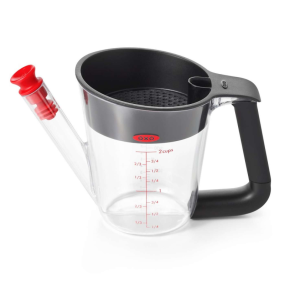
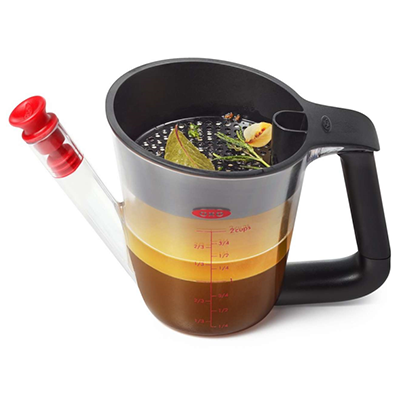
To get a silky, rich gravy without excess grease, use the OXO Good Grips Fat Separator. This clever tool lets you pour off the good stuff while leaving behind unwanted fat. It’s a game-changer for home roasts and one of our most recommended kitchen essentials.
Here’s a basic gravy recipe:
- Once the lamb is out of the tray, skim off most of the fat using your fat separator.
- Place the roasting tray on the hob over medium heat.
- Add a splash of stock to deglaze, scraping up all the crispy bits.
- Stir in a spoonful of flour and cook for a minute.
- Gradually whisk in stock (about 500ml) and simmer until thickened.
- Strain if desired and season to taste.
Gravy is the most loved accompaniment to all types of roast meats. For more gravy recipes using the OXO Good Grips Fat Separator, take a look at our Mastering the Art of Gravy with OXO blog post.
Rest and Carve Like a Pro
Once your lamb is out of the oven, rest it for at least 20 minutes under loosely tented foil. This step is non-negotiable as it allows the juices to redistribute throughout the meat for maximum tenderness.
Carving Tools Matter:
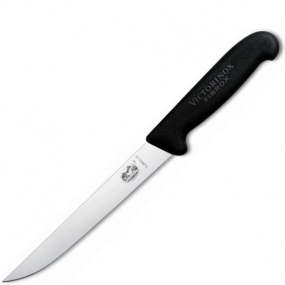
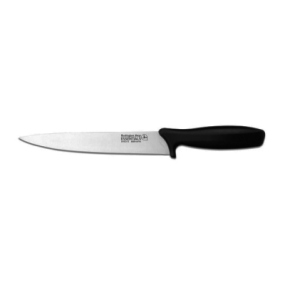
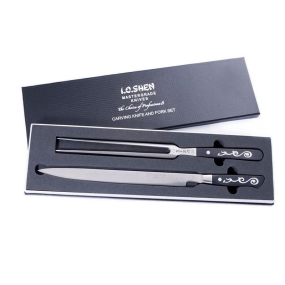
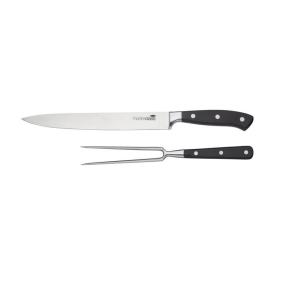
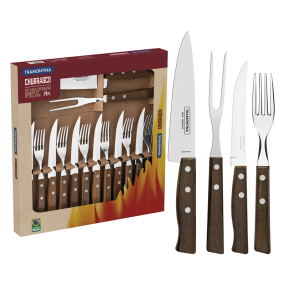
To serve like a pro, reach for a quality carving set—a sharp carving knife and sturdy fork make the job quicker, safer, and cleaner. Our carving tools are designed with comfort and precision in mind, ideal for slicing through both boneless and bone-in joints with ease.
To carve a bone-in leg:
- Hold the shank end with a carving fork.
- Slice across the grain in smooth even cuts.
- Once you hit the bone, turn the leg and carve around it to release the rest of the meat.
What to Serve with Lamb
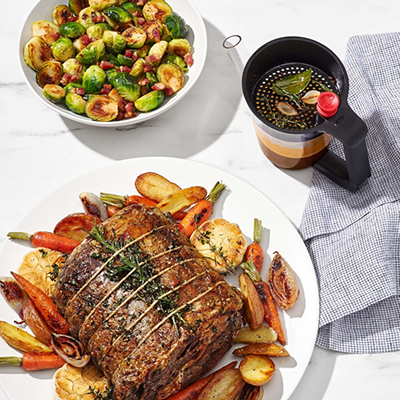
Roast lamb is a versatile centrepiece, and what you serve alongside it can elevate the whole experience. Springtime lamb is always best served with spring vegetables:
- Roasted carrots, parsnips, and baby potatoes
- Steamed asparagus with lemon butter
- Sauteed green beans with toasted almonds
- Roasted sprouts with bacon
Spring Into Roasting Season
There’s a special joy in cooking something slow, aromatic, and deeply satisfying, especially when it’s shared. Roasting a leg of lamb is more than just putting meat in the oven; it’s about bringing people together around a table with laughter, good food, and memories in the making. So, whether you’re hosting a weekend get-together or just treating your household to something special, let lamb be your go-to this spring.
Investing in the right gear means every roast becomes easier, tastier, and more enjoyable season after season. Find all your roasting essentials at Cooksmill this spring.