When people talk about tea, they often mean a bag dropped into a mug. Chai is different. It’s history, culture, flavour, and ritual all poured into a single cup. On National Chai Day, we pause to celebrate what makes this drink so much more than a beverage. It’s about warmth, hospitality, and togetherness.
From the roadside stalls of Mumbai to the cafes of Manchester, chai has carved out a place in daily life. In the UK, chai lattes now sit proudly alongside cappuccinos on cafe menus, while in South Asia, chai continues to be served in small glasses, clinking with saucers, and paired with savoury snacks.
This blog explores chai’s origins, the moments where it is most often shared, the equipment that makes service possible, and the flavours that keep people coming back.
A Drink With Deep Roots
The story of chai begins in the Indian subcontinent. It has been a well-enjoyed drink for centuries, but was popularised during British colonial rule. Locals transformed it by boiling tea leaves with milk, sugar, and spices. What emerged was masala chai, a drink that blended the sharpness of black tea with the warmth of ginger, cardamom, cloves, cinnamon, and even pepper.
Over time, chai became a social anchor. In South Asia, it is rarely just a drink; it’s a gesture of welcome. Neighbours drop by for “chai and a chat,” guests are always offered a steaming glass, and business deals often start with tea before they reach the paperwork.
In recognition of this global influence, National Chai Day was established in 2018. While it began in the US, its relevance has stretched worldwide. For cafes, restaurants, and households, it’s now a reminder to honour a tradition that spans continents.
Sharing Plates and Shared Cups
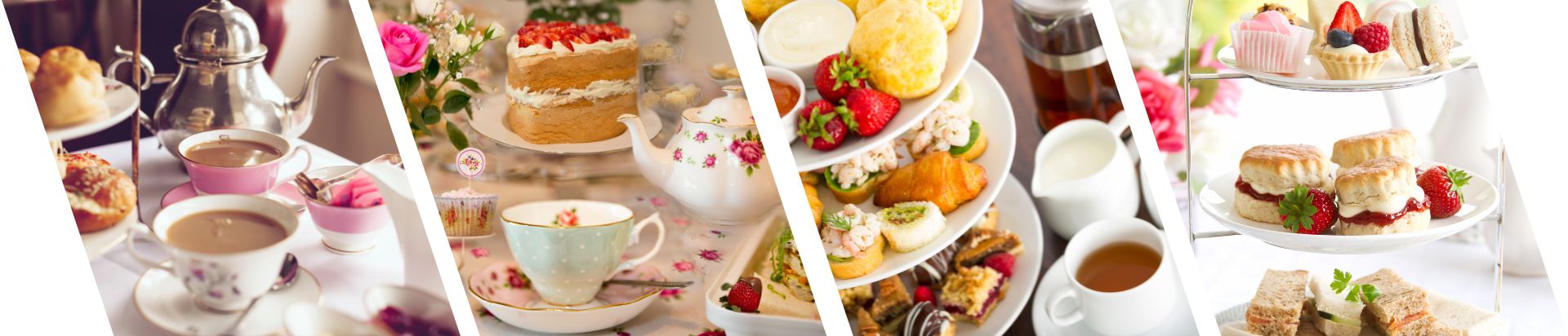
One of the strongest associations with chai is eating together. Imagine a table scattered with small plates: samosas with crisp pastry, pakoras hot from the fryer, buttery biscuits ready to dip. In the middle sits a steel teapot, mugs and glasses within reach, the steam rising above the chatter.
Chai is rarely consumed in silence. It’s a companion to conversation, whether with family at home or with staff gathered on a quick break. For restaurants and cafes, replicating this moment is an opportunity to extend hospitality. Offering a round of chai after a meal, served in authentic glasses, signals care and generosity.
Using powders like Zuma Spiced Chai 1kg ensures flavour stays balanced across every serving, even when prepared in busy kitchens. With its blend of cinnamon, ginger, and cardamom, Zuma captures the essence of traditional masala chai while remaining easy for staff to prepare.

Seamless Service
In professional settings, how chai is served matters almost as much as how it tastes. Customers notice the weight of the teapot, the shine of the cups, and the warmth of the tray placed on the table.
Hospitality teams often rely on Evolve Coloured Teapots. Beyond their durability, these teapots bring vibrancy to service. A row of teapots in red, blue, and green not only looks striking on a shelf but also allows for quick organisation. One colour for masala chai, another for vanilla chai, another for standard tea. The efficiency benefits staff, while the visual impact impresses customers.
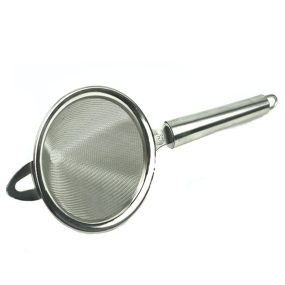
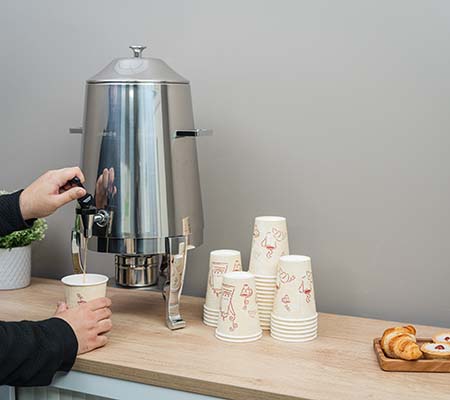
And efficiency is everything when demand rises. In larger venues, a single small pot won’t cut it. That’s where Stainless Steel Tea Urns earn their place. Built for volume, they allow cafes and canteens to brew litres at once, maintaining a steady temperature throughout service. Pairing these urns with the Elephant Conical Fine Mesh Tea Strainer No 3 10.5cm keeps every pour smooth, free from spice residue or tea leaves, while preserving authentic flavour.
Beyond the Glass: Cups That Shape the Experience
The vessel you serve chai in changes the way it is experienced. Across cultures, cups and glasses aren’t just practical; they carry symbolism, history, and memory. Choosing the right serving style for your venue can make chai feel authentic, unique, and memorable.
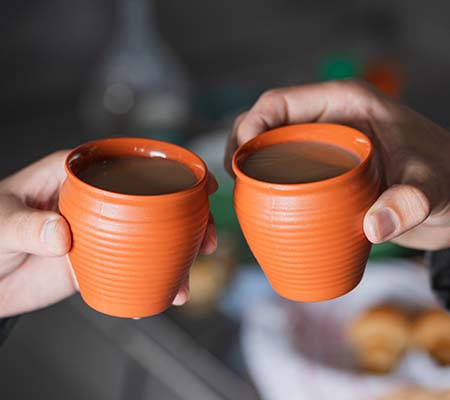
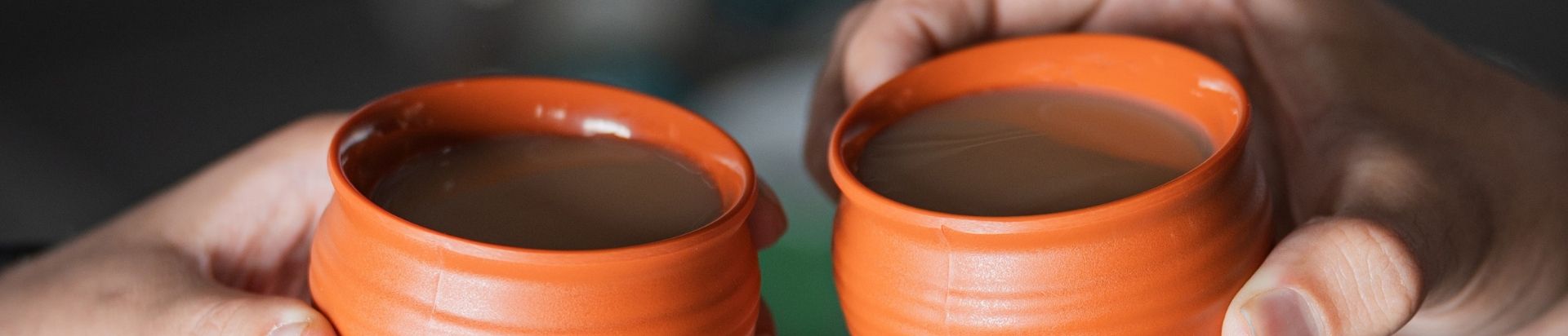
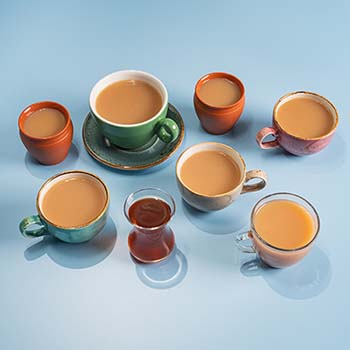
In South Asia, one of the most traditional options is the clay cup, or “kulhad.” Still common at roadside tea stalls in India, these cups are made from terracotta and designed for single use. They lend an earthy aroma to the drink and reinforce chai’s connection to the land. For restaurants and cafes looking to bring this touch of authenticity to their service, our Melamine Traditional Kulhad Cup offers a durable alternative that captures the look and feel of the original, while standing up to modern catering demands.
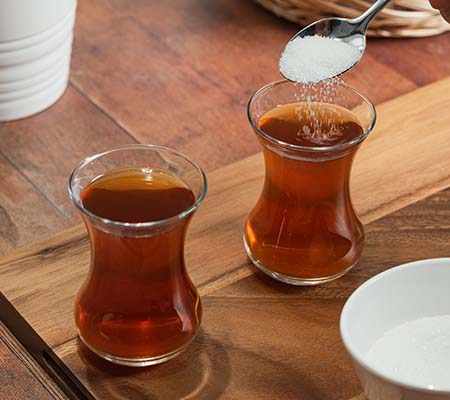
Outside South Asia, other vessels tell their own story. In Turkey, tea culture is equally strong, though the presentation differs. Tea is often served in small, curved glasses that show off its deep amber colour. The Incebelli Turkish Tea Glass 125ml is a perfect example. Slim and elegant, it allows customers to appreciate both the flavour and the visual beauty of the tea. While technically for Turkish tea, these glasses also work beautifully for lighter chai blends or green teas, offering versatility to hospitality venues.
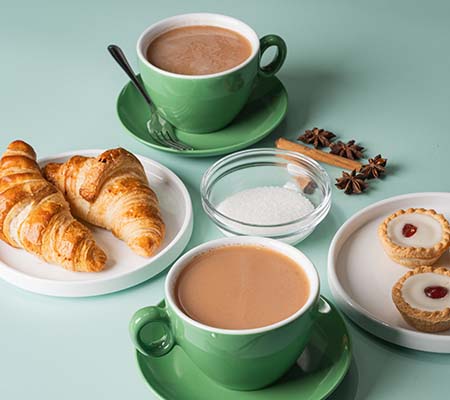
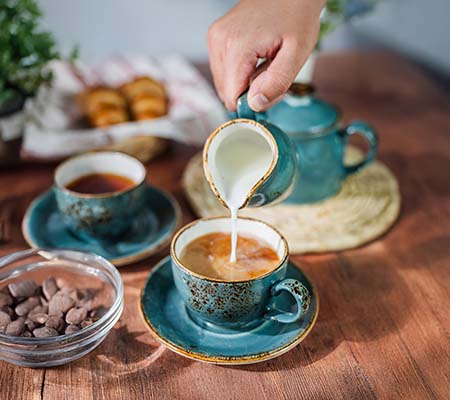
The ceramic mug or cup is more familiar to UK audiences. While chai is exotic to some, it often finds its way into everyday routine, where customers want comfort and familiarity. For this, Inker Luna Cups provide a stylish yet simple solution. Ideal for serving English breakfast tea or milky chai lattes, they blend seamlessly into cafe and restaurant settings. Their durable design makes them practical, while their smooth lines keep the presentation clean.
By offering a mix of authentic chai glasses, terracotta-inspired kulhads, Turkish tea vessels, and classic mugs, venues can tailor the serving style to the occasion. The vessel becomes part of the ritual, enhancing not just the taste but the story customers take away with them.
A Recipe for National Chai Day
Every region, family, and even cafe has its own version of chai. But the base remains constant: tea, milk, sugar, and spice. Here’s a simple recipe you can use to celebrate at home or scale up for your venue:
Ingredients (serves 2):
- 2 cups water
- 2 black tea bags or 2 tsp loose-leaf black tea
- 1 cup whole milk
- 2–3 cardamom pods, lightly crushed
- 1 stick of cinnamon
- 2–3 cloves
- A slice of fresh ginger
- 2 tsp sugar (adjust to taste)
Method:
- Add water, tea, spices, and ginger to a saucepan and bring to a boil.
- Reduce to a simmer for 5 minutes to release flavours.
- Add the milk and simmer for another 5 minutes.
- Strain into cups and serve hot, with biscuits or pakoras on the side.
For those running cafes or restaurants, powders like Drink Me Chai Vanilla Chai Latte Powder 1kg offer a simpler route without sacrificing taste. They make it easy to create a creamy, spiced latte with consistent results.
Snacks That Belong Beside Chai
Chai rarely comes alone. In the subcontinent, it’s almost always accompanied by food. Each region has its own favourites, but some staples appear everywhere.
- Biscuits: Simple butter biscuits or Marie biscuits are dipped into chai until they soften and melt in the mouth.
- Rusk: Twice-baked, crunchy slices of bread that hold their shape in hot liquid, a favourite for mornings.
- Samosas: Fried pastry triangles filled with spiced potatoes or meat, a classic companion to evening chai.
- Pakoras: Vegetables dipped in spiced gram flour batter and fried crisp, often served at family gatherings.
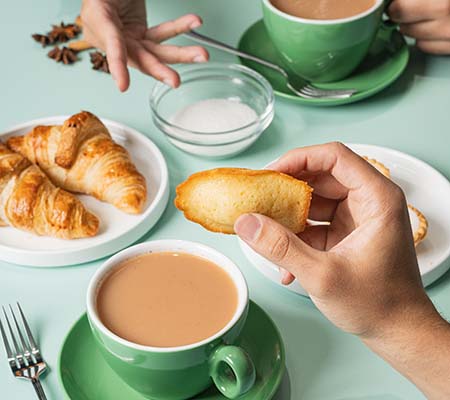
- Croissants: A modern favourite, especially in cafes that blend traditional chai with a touch of European bakery culture, creating a delightful fusion snack.
Restaurants and cafes that serve chai alongside these snacks elevate the experience. Customers aren’t just ordering a drink; they’re enjoying a small cultural meal.
Questions Customers Ask
For many in the UK, chai is still a discovery. Customers often ask the same few questions, and addressing them directly builds trust.
Is chai the same as tea?
Yes and no. Chai means “tea” in Hindi and Urdu, but internationally it usually refers to spiced tea made with milk and sugar.
Does it have caffeine?
Yes, chai made with black tea does contain caffeine, though typically less than coffee. Options like Drink Me Chai Vanilla Powder offer a milder lift, perfect for customers looking for balance.
Is chai always spicy?
Not always. Some blends emphasise sweetness, like vanilla, while others lean heavily on warming spices. Products like Zuma Spiced Chai keep flavours traditional but approachable.
Why This Day Matters
At its heart, National Chai Day is about celebrating connection. Chai is a drink that carries stories: of parents handing steaming glasses to their children, of students huddled over chai stalls late at night, of colleagues bonding on a busy shift.
For hospitality businesses, it’s a chance to highlight something customers increasingly love. Adding chai to the menu, serving it in authentic glassware, and pairing it with familiar snacks isn’t just good service; it’s good business.
This National Chai Day, take a moment to reflect on what chai represents. It’s not only a drink, it’s a symbol of warmth, generosity, and community. Whether you’re serving a hundred cups from a tea urn in a cafe or sipping quietly at home with a biscuit in hand, share it with someone special.
At Cooksmill, we support that with practical tools: chai powders for flavour, glassware for authenticity, coloured teapots for style, urns for efficiency, and strainers for quality. But beyond the products, it’s the shared experience that makes chai worth celebrating.