World Food Day is more than a date on the calendar. It’s a reminder that food connects us across cultures, across industries, and across the world.
This year, on 16 October 2025, the Food and Agriculture Organisation (FAO) marks World Food Day with the theme: “Hand in Hand for Better Foods and a Better Future.” The message is clear: food is not only about what’s on the plate. It’s about sustainability, community, and responsibility.
At Cooksmill, our brand purpose has always been simple: “Eating together goes beyond the food, it connects us.” For us, World Food Day is a natural fit. We play a role in the wider food ecosystem. We supply the cookware and tableware that businesses, restaurants, caterers, cafes, schools, and foodservice providers use to serve meals that bring people together.
This year, we want to focus on a key part of the FAO’s campaign: what businesses can do. The FAO has made it clear that businesses are essential in building sustainable food systems. From reducing waste to supporting diverse cuisines, there are practical steps every business can take. And with the right tools, those steps become easier.
Why World Food Day Matters for Businesses
Food sustainability isn’t just a global issue; it’s also a business issue. Wasted food means wasted money. Inefficient equipment means higher energy costs. A lack of inclusivity in menus can mean missed opportunities to connect with customers.
That’s why World Food Day is so relevant to the business world. The FAO highlights three ways companies can make a difference:
- Support sustainable food systems.
Businesses can reduce their environmental footprint by investing in durable, long-lasting tools and promoting menus that make smart use of ingredients. - Reduce food waste and improve efficiency.
Whether it’s portioning correctly, using energy-efficient cookware, or offering menu items designed to minimise waste, small steps add up to big savings, financially and environmentally. - Promote healthy, inclusive food choices.
Businesses can expand menus to celebrate global cuisines, cater to diverse dietary needs, and make healthy eating accessible.
At Cooksmill, we provide the tools that help businesses act on these recommendations. Our cookware, tableware, and serving solutions are designed to last, reduce waste, and make it easier for businesses to connect people through food.
From Zero Waste to Business Action
Reducing waste is an important part of building sustainable food systems, but it’s only one piece of the puzzle. For World Food Day, the FAO reminds us that businesses also have a role to play in promoting inclusivity, supporting diverse cuisines, and investing in durable equipment that lasts.
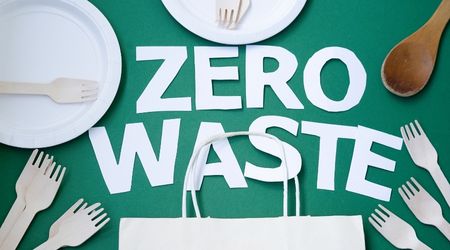
If you’re looking for practical, everyday kitchen tips to cut down on waste at home or in your business, take a look at our Zero Waste Kitchen Guide. Together, these small steps add up to a bigger change.
Global Cuisines as a Business Opportunity
Food is one of the strongest connectors in business. A restaurant that celebrates diverse cuisines is offering a range of foods, but also experiences, memories, and a sense of belonging.
Below, we explore how different types of cookware and dining traditions can help businesses reduce waste, celebrate culture, and align with World Food Day’s goals.
Karahi: South Asian Communal Dining
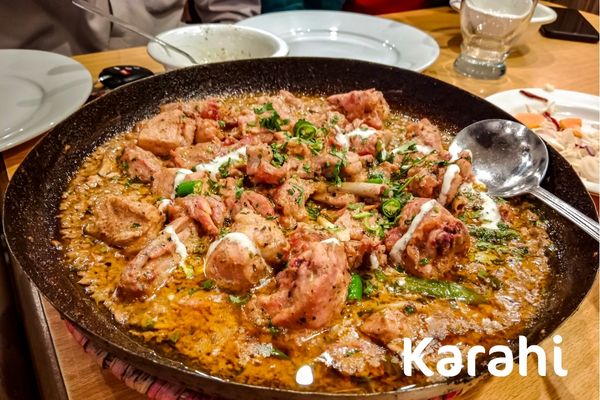
For businesses serving South Asian communities, the karahi is an essential vessel. This deep, round pot is specifically designed for curries and stir-fried dishes cooked in quantity, making it ideal for restaurants that embrace communal dining. While the karahi is the primary cooking vessel, it is often brought directly to the table for sharing, allowing diners to serve themselves onto their own plates.
This tradition of having the food cooked and shared from a single pot is highly efficient. It encourages a generous, communal atmosphere and, from a sustainability standpoint, cooking in one vessel reduces overall energy use and helps kitchens manage ingredient quantities efficiently.
Bento: Portion Control and Balance
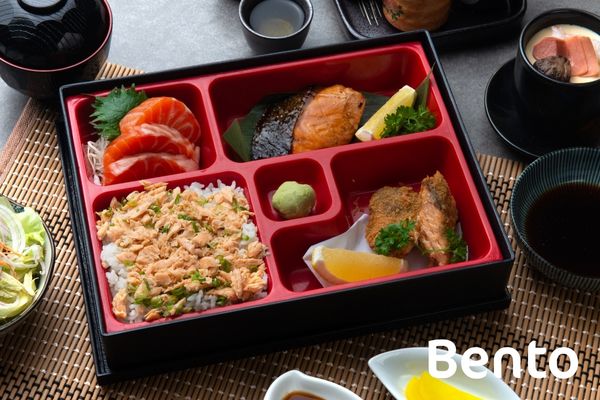
The bento box is a Japanese staple that businesses worldwide are now adopting as a model for efficient service. With its multiple compartments, the bento allows for balanced meals that are always carefully portioned.
This format is perfect for environments like schools, catering services, and corporate canteens because its serving size naturally reduces food waste by preventing over-serving.
The bento demonstrates how design and culture can directly support the Food and Agriculture Organisation's recommendation to reduce waste and promote healthier, balanced diets.
Kebab: Shared Plates Across Borders
Kebabs have travelled across cultures, from Middle Eastern street stalls to European restaurants, making them versatile, accessible, and popular worldwide. For high-volume restaurants, using skewers, stands, and grills is highly cost-effective; kebabs are quick to cook and easy to portion for large groups.
Skewering mixed ingredients helps kitchens maximise the use of produce and reduce waste. The kebab symbolises inclusivity, representing a food that crosses borders and connects diverse communities.

Tapas: Small Plates, Big Conversations
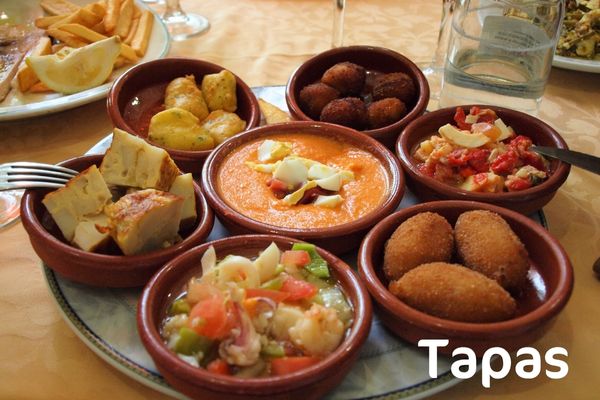
In Spain, tapas are much more than food; they are a social tradition. For restaurants, tapas menus offer both variety and valuable flexibility. Small plates encourage customers to sample multiple dishes without committing to an oversized portion, which minimises waste.
This approach reduces oversized servings and aids kitchens in planning their menu needs more efficiently. Like the karahi, the concept of tapas embodies connection and inclusivity, which are key messages for businesses supporting World Food Day.
Pie Dish: Comfort and Resourcefulness
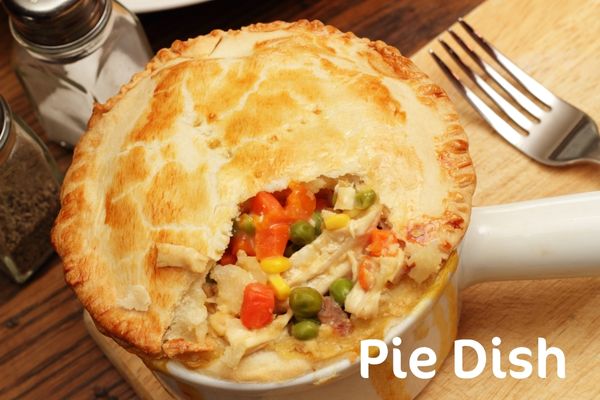
British pies are a dish steeped in the history of resourcefulness. For businesses, they offer comfort food that is also inherently cost-effective. Pies allow restaurants to utilise seasonal or even leftover ingredients creatively by pouring the filling into a pie dish and enclosing it in a pastry crust.
This style of resourceful cooking reduces food waste while delivering hearty, satisfying meals. The traditional pie shows that sustainability isn’t a new movement; it has been an essential part of traditional cooking for centuries.
Pasta Bowl: Italian Family Dining
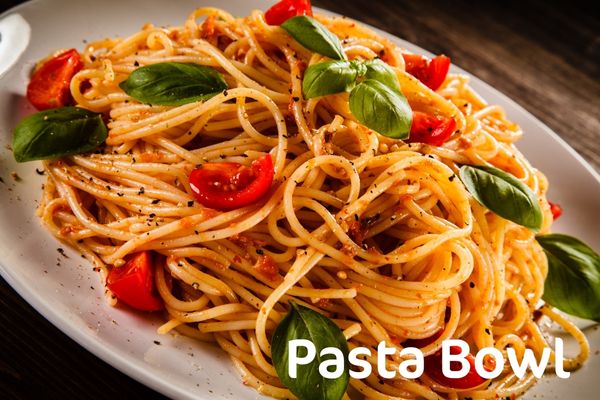
Pasta is one of the world’s most loved foods, and for businesses, the pasta bowl is a foundational staple for Italian menus and beyond. Using a large pasta bowl encourages sharing among diners, keeping portion sizes flexible and communal.
Pasta dishes are highly adaptable to seasonal and local ingredients, making them an excellent sustainable choice. The pasta bowl represents connection and the joy of family-style dining.
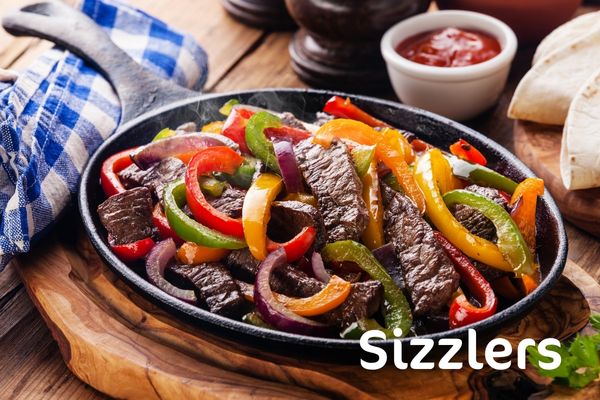
Cast Iron Sizzler (Comal/Sartén): Durable Dining with Impact
The cast iron sizzler isn't only about creating tableside sizzle for fajitas; it’s a foundational piece of Mexican cooking and a commitment to sustainability. Known as a comal (griddle) or sartén (pan), cast iron is incredibly durable, versatile, and makes a dramatic impression on customers, delivering that signature, aromatic smoke and heat.
High-quality cast iron lasts for decades, directly combating throwaway culture and saving businesses significant money on replacement costs in the long term. This durability is proof that investing in resilient, traditional tools is a simple, effective step businesses can take toward the FAO’s sustainability goals.
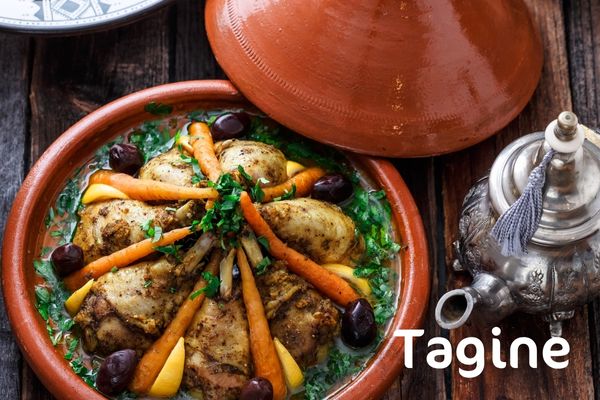
Tagine: North African Slow Cooking
The tagine is a North African vessel that serves as both a cooking pot and a cultural symbol. Its distinct conical design conserves steam and energy while consistently producing deeply flavourful meals. This makes it an excellent choice for restaurants wanting to offer unique regional flavours with minimal resources.
The tagine represents energy-efficient, community-based cooking, perfectly aligning with the FAO’s recommendations for global food systems.
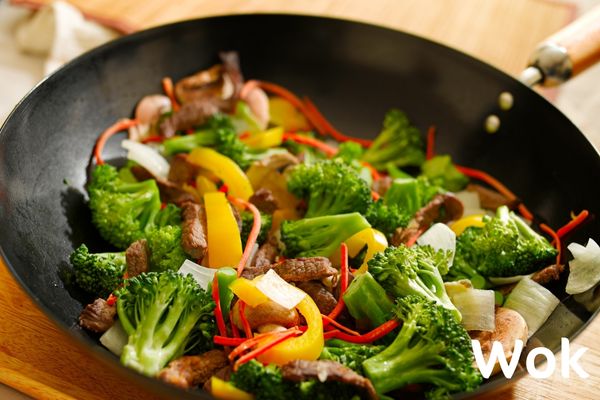
Wok: Efficiency and Versatility
The wok is one of the most celebrated and efficient pieces of cookware in the world. It’s perfect for high-heat, quick cooking, which is ideal for busy, high-turnover restaurants. The rapid cooking time reduces energy use significantly while serving fresh, vibrant meals.
The efficiency and versatility of the wok mirror the FAO’s call for smarter, more sustainable food systems.
Shared Tables, Shared Futures
Across every cuisine, the act of sharing food carries the same message: we are stronger together. Whether it’s a karahi surrounded by friends or a small plate of tapas passed across a table, food reminds us of our common humanity.
For businesses, World Food Day isn’t just a global observance; it’s an invitation to rethink how we operate. From reducing kitchen waste to supporting local producers and celebrating cultural traditions, small actions add up to meaningful change.
By championing global cuisines and sustainable practices, businesses can turn every meal from a transaction into a connection.
How Businesses Can Turn Awareness into Action
World Food Day is an opportunity for businesses to demonstrate leadership through meaningful, visible action. The FAO’s guide for businesses offers several ideas, and Cooksmill’s products make those actions easier to implement.
Here’s how your business can make a difference:
- Rethink your supply chain. Choose local, seasonal ingredients where possible. Not only does this reduce food miles, but it also builds stronger ties with local producers.
- Re-evaluate your equipment. Swap out disposable or low-quality tools for durable, reusable cookware like cast iron, stainless steel, or ceramic products designed to last for years.
- Engage your teams. Involve staff in food sustainability initiatives such as waste monitoring, creative menu planning, or food donation partnerships.
- Educate your customers. Add sustainability notes to menus, for example, highlighting energy-efficient cooking methods or reduced waste dishes.
- Celebrate food diversity. Promote special menu weeks that highlight global cuisines such as Moroccan, Japanese, or Italian cooking, showing that inclusivity is good for both culture and business.
When businesses act on these steps, they strengthen their brand image, cut costs, and connect more meaningfully with their customers, in addition to aligning with FAO’s vision.
Cooksmill’s Role
Although we’re not a charity, we are a partner. Every business that invests in durable, sustainable cookware is part of the World Food Day solution.
Cooksmill’s role is to equip kitchens with tools that last, reduce waste, and celebrate diversity. Whether it’s a karahi for a shared meal, a pasta bowl for family dining, or a wok for efficient cooking, our products help businesses take meaningful, practical steps toward FAO’s vision.
World Food Day with Cooksmill
World Food Day 2025 reminds us that businesses have a vital role in shaping sustainable food systems. From reducing waste to celebrating inclusivity, every kitchen choice counts.
At Cooksmill, we believe food is about connection. By choosing cookware that lasts, serving food that brings people together, and aligning with FAO’s recommendations, businesses can be part of a better food future.
This year, we invite you to celebrate World Food Day with us: explore new cuisines, share meals, and take steps that support both your business and the world around us.