Most people already know they should be eating more vegetables. The challenge isn’t knowledge, it’s routine. When you’re busy, tired, or feeding people with different preferences, vegetables are often the first part of the meal to shrink. The irony is that vegetables are the thing that improve everything else: flavour, satiety, nutrition, and even how people feel after eating. And in autumn, with produce at its richest, this shift becomes a lot more achievable.
This guide is designed to help you understand how to eat more vegetables, how to eat more leafy greens, and how to get your family to eat more vegetables without conflict or major lifestyle changes. It’s also relevant for restaurants and cafes wanting to boost nutritional value, control food cost, and make better use of seasonal produce.
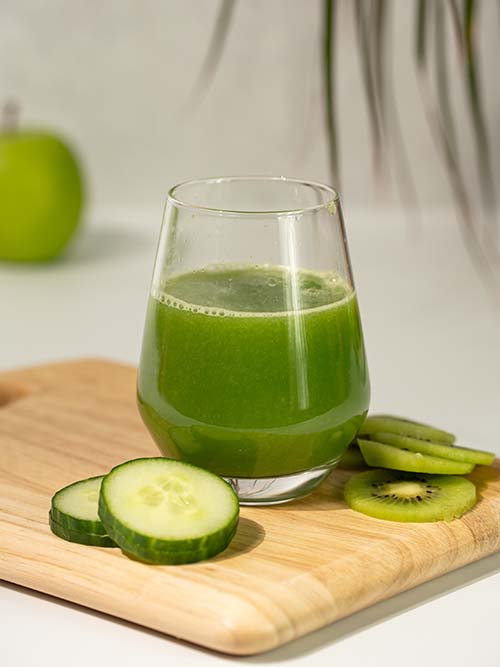
Juicing Greens Without Complexity
Juicing is one of the fastest ways to incorporate vegetables early in the day, particularly when mornings are rushed. A good machine, such as the Robot Coupe Juicer, extracts juice efficiently without overheating the ingredients or leaving a bitter aftertaste. This matters especially for commercial kitchens. Restaurants and cafes can diversify menus with seasonal specials, wellness shots, or breakfast add-ons, while families can also get a practical route to increase vegetable intake.
This juice recipe balances sweetness, acidity and freshness. The apple and lemon soften the taste of leafy greens, making the drink suitable for children and adults who might otherwise avoid vegetables.
Presentation is also important when serving to those who don’t enjoy fruits and vegetables, and the Elite Polycarbonate Kristal HiBall Glass is the perfect serving vessel for this juice. It has the clarity and weight of glass, but with the durability needed in busy environments.
Here’s everything you’ll need:
- A handful of spinach or kale
- 1 apple
- 1 kiwi
- ½ cucumber
- ½ lemon
- Small piece of fresh ginger
- Juice everything and serve cold
This combination creates a smooth, bright drink that doesn’t taste “green.” The cucumber softens the bitterness, and the ginger brings warmth. It’s an accessible entry point for people who feel they should drink more vegetables but dislike overpowering flavours. Restaurants can batch make this without separation or discolouration when using high-quality juicers.
Add pear for sweetness, celery for freshness, or roasted beetroot for an autumn colour boost.
Autumn Orange-Green Juice
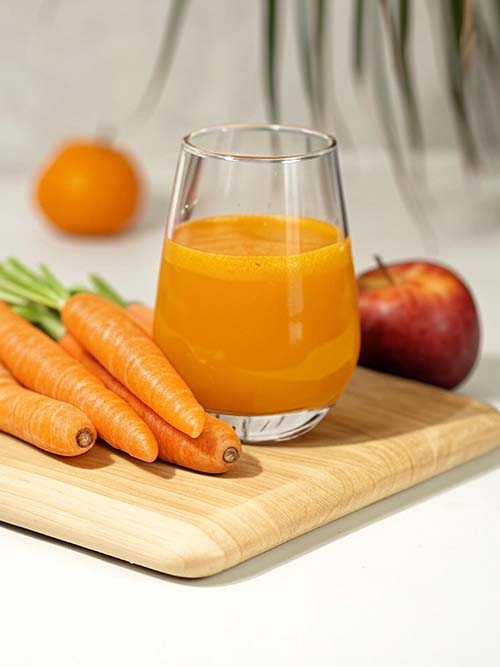
During the autumn season, produce is naturally sweet, colourful and easy to extract juice from (especially when using the Robot Coupe Juicer), which is exactly what restaurants want when creating seasonal specials, and what families want when trying to increase vegetable intake without resistance.
This recipe leans into orange vegetables like carrot, sweet potato and pumpkin, which pair beautifully with leafy greens. It produces a smooth, vibrant drink with a flavour profile that feels far more autumnal than the previous green juice. When served in the Murray HiBall Crystal Glass 17oz, it keeps the visual appeal while allowing the deep colour to shine through.
How to make it:
- 2 carrots
- 1 small apple
- 1 orange (peeled)
- A handful of spinach or kale
- ½ small sweet potato (peeled), optional but great for the body
- Slice of ginger
- Juice everything and serve immediately
This is the kind of juice that makes people forget they’re drinking vegetables. Carrot and orange bring sweetness, apple balances the acidity, and spinach blends in without dominating the flavour. Adding sweet potato is optional but highly recommended as it creates a naturally creamy texture and a richer nutrient profile.
Other variations to try
- Add beetroot for a deeper, ruby tone.
- Replace apple with pear for extra sweetness.
- Add turmeric root for an autumn spice twist.
- Use kale instead of spinach for a greener, nutrient-dense version.
Vegetable-Blended Pasta Sauces
A vegetable-blended pasta sauce is one of the most reliable strategies for increasing vegetable intake, particularly for families with cautious eaters. Restaurants also benefit because vegetable purees lower cost per portion, increase sauce yield and create naturally sweet, rich bases that pair well with seasonal dishes.
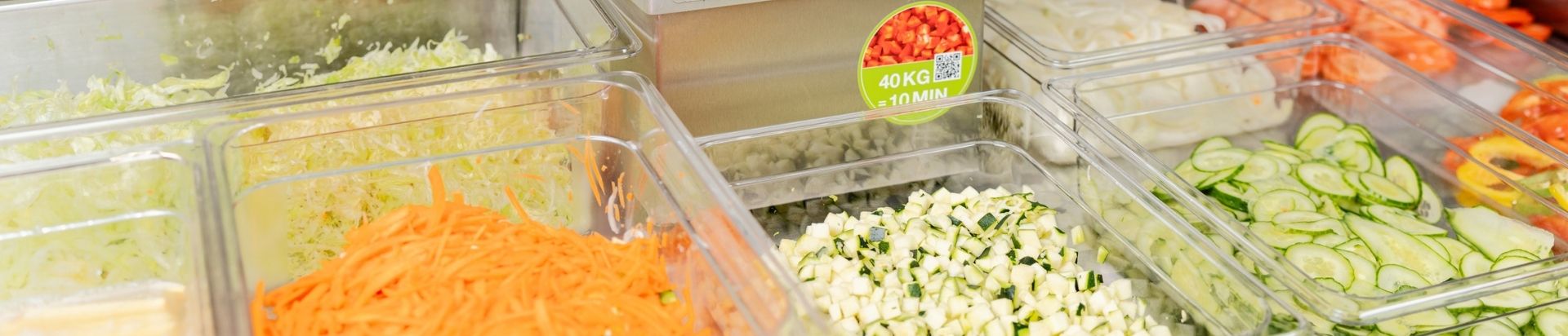
The Robot Coupe CL50 is a fantastic tool for restaurants and catering operations looking for ways to incorporate more vegetables into their dishes. This handy machine makes chopping vegetables faster and more precise, leaving you with perfectly chopped vegetables in seconds.
The technique of adding hidden vegetables into sauces works because the vegetables are completely integrated. Kids can’t pick them out, and adults often enjoy the deeper flavour without realising what’s inside. Using the Porcelite Traditional Pasta/Soup Plate 23cm or the more rustic Mason Cash Reactive Cream Pasta Bowl 23cm gives the meal better presentation and added warmth.

How to make pasta with hidden vegetables:
- Chop 1 onion, 1 carrot, and 1 courgette, and saute (use the Robot Coupe CL50 if making large batches for restaurant or catering use)
- Add a handful of spinach
- Add 1 tin of tomatoes
- Simmer 15 minutes, then blend until smooth
- Season and toss with pasta
Carrot adds sweetness, courgette adds body, and spinach rounds out the flavour and colour. Blending removes all textural issues, making this effective for children who dislike chunks. For restaurants, it’s a cost-efficient way to enrich a standard tomato base.
Swap courgette for roasted aubergine, add roasted beetroot for colour, or stir in blended cauliflower for creaminess.
Sweet Potato or Pumpkin Brownies
Brownies are the easiest dessert for hiding vegetables because chocolate dominates the flavour. Sweet potato and pumpkin add moisture, fibre and natural sweetness without changing the dessert’s taste. Parents appreciate desserts that taste normal but deliver nutrition, while cafes can promote these as seasonal bakes that don’t require extra skill or labour.
Ensuring you have the right baking pan is essential to achieve the perfect crispy and crinkly brownie top, with a soft and chewy centre. The Master Class Non-Stick Brownie Pan 27 x 20 x 3cm ensures even baking and the perfect brownie exterior, which is crucial for both presentation and texture of the brownies.
Quick recipe:
- Prepare your favourite brownie batter, but reduce the amount of butter/oil and granulated sugar by about half.
- Add 1 cup mashed pumpkin or sweet potato
- Mix into the prepared brownie batter
- Bake as normal
The vegetable puree acts like a fat replacer, improving texture and fudge-like density. It also reduces the sugar needed, which helps balance the sweetness. Kids do not taste the vegetables, and adults enjoy the richer finish.
Use cacao powder for a deeper flavour, swirl with cream cheese for a cheesecake effect, or add cinnamon for an autumn twist. Pumpkin brownies also pair well with cinnamon cream, perfect for seasonal menus.

Cauliflower Mac and Cheese
Cauliflower blends into cheese sauce better than any other vegetable. It has no strong flavour once pureed and enhances creaminess without making the dish heavy. Families appreciate this because it turns a comfort-food favourite into a more nutritious meal, while restaurants can lighten the dish and reduce dairy costs.
Served in the Enamel Finished Oval Casserole Dish with Wooden Base 17.5cm, it holds heat well and presents individual portions beautifully at the table.
This is how to make it:
- Steam 2 cups of cauliflower
- Blend with a splash of milk
- Make your favourite cheese sauce, then stir in the cauliflower mixture
- Combine with pasta, top with grated cheese, and bake until golden
This method increases fibre, softens the richness of the cheese and creates a velvety texture. The cauliflower becomes difficult to detect when combined like this, which solves the problem of diners or children who avoid visible vegetables.
Swap cauliflower for butternut squash for a sweeter, golden sauce, add mustard or paprika for depth, or top with a vegetable breadcrumb mix using blitzed spinach or herbs.

Lettuce-Wrapped Burgers With Hidden Veg
This technique has become popular because it increases vegetables without removing the satisfaction of a burger. Adding grated carrot or courgette into the patty keeps it juicy while boosting nutrition. Using lettuce wraps instead of buns adds crunch and freshness, great for those trying to reduce starch intake and for restaurants offering lighter meal options.
Lettuce wraps are increasingly popular among diners looking for gluten-free, low-carb or fresher options. But since they can be very messy to hold together while eating, Cooksmill’s Greaseproof Paper Burger Wraps Green 250x320mm (Pack 1000) elevates presentation while keeping the dish structured and visually appealing.
How to make it:
- Mix mince with grated carrot, grated courgette, onion, salt and pepper
- Form patties and cook
- Wrap in crisp lettuce and add your choice of toppings
The grated vegetables bind moisture inside the patty, preventing dryness, while the lettuce adds crispness without the heaviness of bread. This method feels modern and health-conscious while staying indulgent.
Add finely chopped mushrooms for umami, use turkey mince for a lighter protein, or incorporate spinach into the patty for colour.

The Best Way to Show Off Autumn Vegetables
Roasting elevates vegetables more than any other method because it concentrates flavour and enhances natural sweetness. Families often find that roasting is the gateway technique for kids who claim they dislike vegetables. Restaurants use roasting to add depth to grain bowls, salads and warm autumn specials.
This method works especially well with seasonal autumn vegetables like sweet potatoes, carrots, parsnips, beetroot, squash, cauliflower and broccoli.
How to achieve maximum roasted flavour:
- Chop your chosen vegetables into equal sizes
- Toss with olive oil, salt, and pepper
- Roast at 200°C for 30–40 minutes
Roasting caramelises the natural sugars, softens fibres and produces crisp edges, a combination that appeals to almost everyone. It also allows batch cooking. This means a tray roasted on Monday can support lunches, snacks and dinners throughout the week.
Add honey or maple syrup, roast with garlic and herbs, or sprinkle with feta or seeds for an even more elevated dish. These roasted vegetables work well in wraps, risottos, pizzettes and as a side.

Adding Vegetables to Breakfast
Breakfast is rarely vegetable-rich, which makes it an under-utilised opportunity. Increasing vegetables here has a major ripple effect. It results in more fullness, better blood sugar control, and fewer cravings later.
Families benefit because breakfast often defines children’s energy and focus for the day. Restaurants can offer more balanced brunch options by incorporating fresh autumn produce.
Quick breakfast eggs recipe:
- Scramble eggs
- Add spinach and cook until wilted
- Stir in roasted sweet potato cubes
- Season lightly
Spinach cooks instantly, sweet potatoes add slow-release energy, and the combination feels substantial without heaviness. The method scales up or down easily for households and brunch services.
Add mushrooms, courgette ribbons or leftover roasted veg to your eggs, mix pumpkin puree into pancake batter, or blend spinach into porridge for other veggie-packed breakfast options.

Small Changes With Big Impact
Increasing vegetable intake doesn’t require dramatic dishes. It often comes from small changes repeated consistently. Stirring spinach into rice, blending carrots into soups, adding pureed pumpkin to morning oats, or mixing cauliflower into mashed potatoes strengthens nutritional value without altering expected flavours.
These adjustments work because they build habits rather than imposing restrictions. They also make use of fruits and vegetables in autumn that are naturally suited to warm, comforting meals.
Add More Vegetables with Cooksmill Essentials
Learning how to eat more vegetables and how to hide vegetables for kids starts with simple, realistic methods. Autumn produce, with its sweetness and versatility, makes this process far easier. Juices, hidden-veg sauces, pumpkin brownies, cauliflower mac and cheese, roasted trays and lettuce-wrapped burgers all provide approachable, family-friendly and restaurant-friendly ways to integrate more vegetables without compromising flavour or comfort.
With the right tools, such as the Robot Coupe CL50, Robot Coupe Juicers, and the serving essentials at Cooksmill, you can easily incorporate more vegetables into your diet and offer more nutrient-packed meals on your menu.