Roasted vegetables are a delicious, nutritious and cost effective way to add colour and flavour to any meal. Roasting brings out the natural sweetness in vegetables and enhances their flavour. They can easily be added to the oven with already cooking meats to maximise the use of your energy. The key to getting the most flavour out of your roasted vegetables is to use the right technique and the right ingredients. In this blog post, we will look at how to roast vegetables for maximum flavour.

Step 1. Choose the Right Vegetables
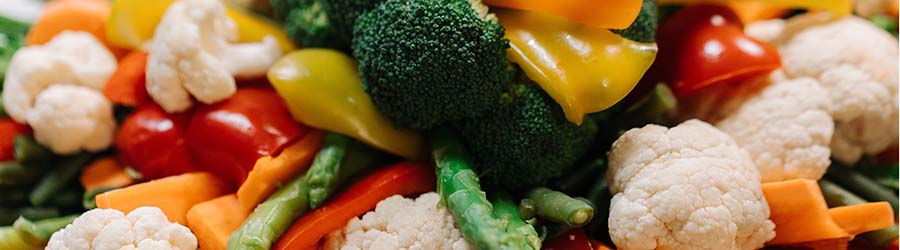
The first step in roasting vegetables for maximum flavour is to choose the right vegetables. Not all vegetables are created equal when it comes to roasting. Some vegetables, such as potatoes, squash, carrots, sweet potatoes, and root vegetables, are ideal for roasting because they have a high natural sugar content. This means they will caramelise and become sweet and succulent when roasted. Other vegetables, such as broccoli and cauliflower, are best when steamed, boiled, or stir-fried.

Step 2. Prepare the Vegetables
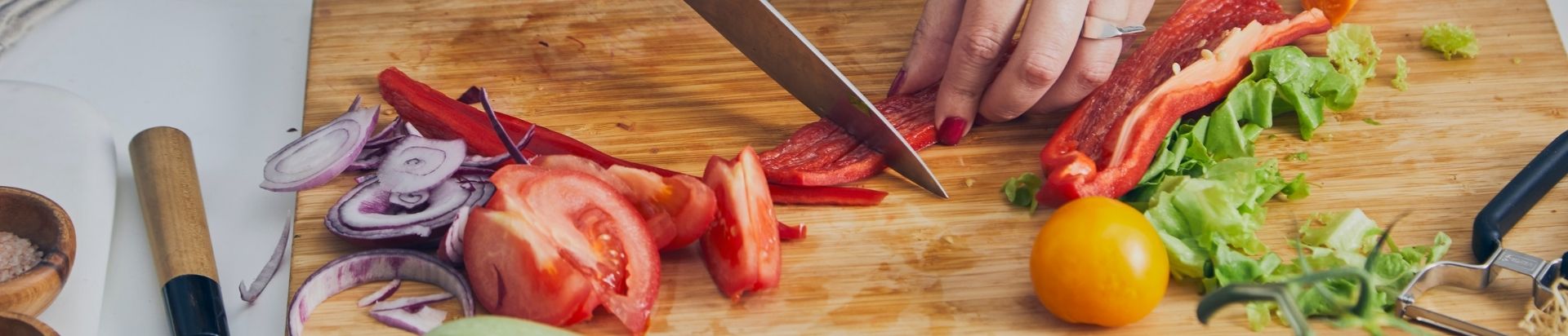
Once you have chosen your vegetables, the next step is to prepare them for roasting. Start by washing the vegetables and cutting them into uniform pieces. This will help them cook evenly and ensure they are the same size so they will roast at the same rate. Ensure they are drained well with as much water as possible removed. We would recommend using a good quality strainer to prevent your vegetables becoming soggy instead of roasted.
Step 3. Season the Vegetables
Once your vegetables are cut and ready to go, it’s time to season them. This is the key to getting the most flavour out of your roasted vegetables. Season with salt, pepper, and any other herbs or spices you like. Some good combinations to consider include:
- Rosemary and thyme for an aromatic, earthy flavour
- Vinegar and vinaigrettes for a sweet, tangy punch
- Sugar or honey for a sweet flavour profile (with the added bonus of caramelised vegetables!)
If you’re using vinegar to season your vegetables, use it sparingly. Too much will bring in too much moisture to the roast, which can steam your vegetables instead of roasting them. Also be mindful to keep your temperature a little lower if you’re using sugar, as it’s easier to burn them.

Step 4. Use Oil or Fat to Coat the Vegetables
The next step is coating your vegetables in an oil or fat to promote proper browning during the roast. Oils and fats can help absorb the heat from the oven, which in turn raises the vegetable's temperature and ensures more even cooking. It also creates a protective layer that stops the oils from inside the vegetables from escaping, which guarantees a moist, yet crispy vegetable that’s packed with flavour.
Just be careful not to douse your vegetables in too much oil or fat. You’ll also want to toss your vegetables regularly to keep the oil well-distributed, especially awkward vegetables like broccoli or cauliflower.
Step 5. Roast at the Right Temperature
When it comes to roasting vegetables, the temperature is key. You want to roast your vegetables at a high enough temperature so that they caramelise and become golden brown, but not so high that they burn. The ideal temperature for roasting vegetables is 200°C, but the times will vary depending on the types of vegetables you’re using.
Step 6. Place the Vegetables in the Centre of the Oven
In order to give your vegetables an even cook, make sure that you place them in the centre of your oven using a baking tray or roasting pan. The hot air will work to brown your vegetables, and the base of the tray or dish will absorb heat from the oven to help caramelise the bottom of the veg. Make sure not to overcrowd your vegetables to give them enough room to cook evenly.

Step 7. Cook Until Crispy
Once your vegetables are seasoned and in the oven, it’s time to let them cook. Roast the vegetables until they are golden brown and crispy. This usually takes about 20-30 minutes, depending on the type of vegetable. Be warned, though, some vegetables will burn quickly if you don’t toss them regularly, such as broccoli.
Step 8. Let the Vegetables Rest
Once your vegetables are done roasting, it’s important to let them rest. This will help the vegetables absorb all the flavours and keep them from getting soggy. Let the vegetables sit for 5-10 minutes before serving to ensure all of the flavours stay in the veggies.
Enjoy!
Once your vegetables are roasted to perfection, it’s time to enjoy them. Roasted vegetables are a delicious and nutritious addition to any meal. Enjoy them as a side dish or as part of a main course.
Frequently Asked Questions About Roasting Vegetables
What is the best temperature for roasting vegetables?
Around 200°C is a useful starting point for roasting many vegetables. The best setting depends on the type of vegetable, the size of the pieces and whether you are using a conventional or fan-assisted oven. Adjust the temperature if the vegetables are browning too quickly.
Which vegetables are best for roasting?
Potatoes, carrots, parsnips, sweet potatoes, squash and other root vegetables are particularly suitable for roasting. Broccoli, cauliflower, peppers and onions can also be roasted successfully, although their cooking times and preparation requirements differ.
How do you make roasted vegetables crispy instead of soggy?
Dry the vegetables thoroughly after washing, coat them lightly with oil and arrange them in a single layer on a roasting tray. Avoid overcrowding, as trapped moisture can cause vegetables to steam rather than brown.
How long should vegetables be roasted?
Some vegetables roast in approximately 20 to 30 minutes, but the time varies according to their density, size and oven temperature. Larger pieces of potatoes, carrots and other root vegetables may require longer. Check that the vegetables are tender and suitably browned before serving.
Should you season vegetables before roasting?
Yes. Seasoning vegetables before roasting helps develop flavour. Salt, pepper, rosemary, thyme and other herbs or spices are suitable choices. Use liquid seasonings sparingly and take care with sugar or honey, which can burn at high temperatures.
What equipment do you need to roast vegetables?
Useful equipment includes a suitable oven, a roasting tray or roasting pan, a kitchen knife, a chopping board and a strainer for draining washed vegetables. In commercial kitchens, choosing appropriately sized roasting trays helps avoid overcrowding and supports consistent results.
Conclusion
Roasting vegetables is a great way to add flavour and nutrition to any meal. By following these tips, you can make sure that your roasted vegetables come out flavourful and delicious every time. So the next time you’re preparing a meal, don’t forget to add some roasted vegetables for maximum flavour!
Get Your Perfect Bakeware from Cooksmill
Here at Cooksmill we have everything you need to make the perfect roast vegetables. We have a great choice of strainers for draining your vegetables and a big choice of roasting pans and baking trays for any sized oven. Whether you are roasting vegetables at home, or roasting a large amount of vegetables in a professional kitchen, we have you covered.