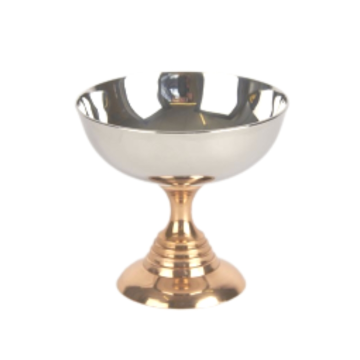
Finger Bowls
Finger bowls provide a sophisticated and hygienic way to clean your hands between courses, allowing your guests to enjoy their meal with the utmost comfort and ease. They are designed to be the perfect size for holding water and are deep enough to comfortably fit your fingers.
Cooksmill offers finger bowls that are incredibly versatile, and can be used for a wide range of occasions, including formal dinners, weddings and special events. They can also be used as an elegant way to present small appetisers and desserts.
In addition to their visual appeal, these finger bowls are easy to clean and maintain, making them a practical choice for busy food service environments. They are made from high quality and study materials such as copper and stainless steel, making them easy to wash and reuse.
When and How to Serve Finger Bowls
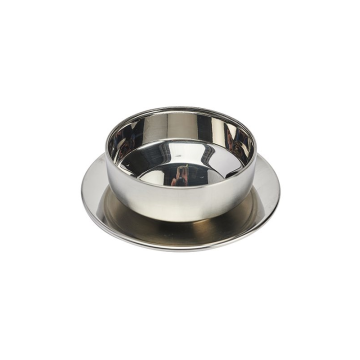
Traditional etiquette places finger bowls on the table when a course involves eating with the fingers, such as Indian food, shellfish, ribs, or whole fruit, or before dessert following a rich or messy course. The bowl typically arrives on a small underplate or doily, sometimes with a lemon slice or a rose petal floated in the water, both a nod to tradition and a subtle way to add fragrance and help cut through grease.
Front of house staff benefit from a brief word to guests unfamiliar with the custom, since a finger bowl on the table can be mistaken for a course of its own. A short note on your menu or a quiet word from serving staff avoids any confusion during service.
Choosing the Right Finger Bowl for Your Venue
Match the material to your table setting. Stainless steel suits high-turnover restaurants and everyday formal dining, since it resists staining and holds up to frequent washing between covers. Copper finger bowls bring a more traditional, decorative look suited to special events, weddings, and Indian dining settings where the ornate detailing complements the wider table setting.
Think about size and depth. A finger bowl needs enough water depth for guests to dip their fingertips comfortably without submerging their whole hand, so a shallow, wide bowl generally works better than a deep, narrow one. Consistent sizing across your finger bowls also helps front of house staff fill them to the same level for every table.
Consider pairing bowls with an underplate or doily for formal service, since this is the traditional presentation and gives guests a clear surface to rest the bowl on once they've finished.
Finger Bowls. Frequently Asked Questions
When should finger bowls be brought to the table?
Traditionally, finger bowls appear during or after a course that involves eating with the fingers, such as shellfish or fruit, or before dessert following a rich meal. In less formal service, they can appear after any course involving finger food.
What goes in the water in a finger bowl?
Warm water on its own is standard, though a lemon slice or a rose petal is a traditional addition, both for fragrance and to help cut through grease from a rich or oily course.
Should finger bowls be served with anything else?
Formal service typically pairs a finger bowl with a small underplate or doily beneath it, giving guests a clear surface to rest the bowl on. A napkin is also provided for guests to dry their fingertips afterward.
What's the difference between copper and stainless steel finger bowls?
Stainless steel suits everyday and high-turnover service, since it resists staining and washes easily between covers. Copper brings a more decorative, traditional look suited to special events and formal Indian dining settings.
How full should a finger bowl be?
Water should sit deep enough for guests to dip their fingertips comfortably, generally less than half full, without inviting anyone to submerge their whole hand.