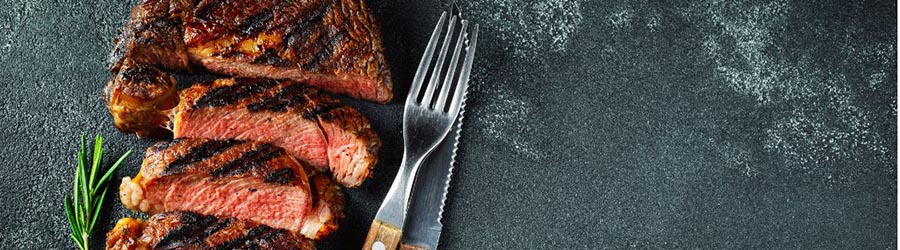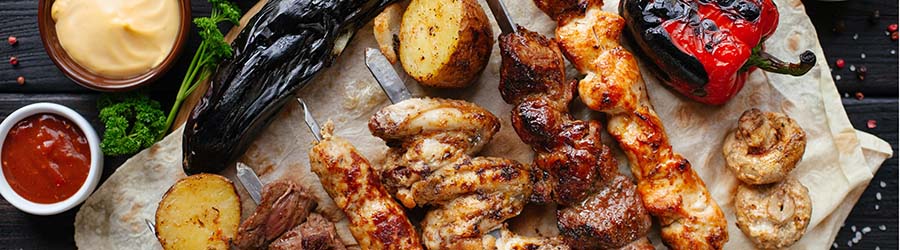
There's nothing quite like the smell of meat sizzling on a grill. Whether you're cooking juicy steaks, chicken skewers freshly made burgers, grilling is a fantastic way to bring out rich flavours and create delicious meals.
However, achieving perfectly grilled meat isn't always straightforward. Too much heat can leave the outside burnt while the centre remains undercooked, and cooking meat for too long can make even the best cuts dry and tough.
The secret to successful grilling is understanding your ingredients, controlling the heat and knowing when your meat is properly cooked.
Whether you're hosting a family barbecue, preparing food for an outdoor event or cooking in a professional kitchen, these practical grilling tips will help you achieve better results.
Choose the Right Cut of Meat
The first step in achieving perfectly grilled meats is selecting the right cut. Different cuts of meat have different levels of fat, marbling, and tenderness, which affect how they cook on the grill. For example, lean cuts like chicken breast and pork tenderloin can dry out quickly, while fattier cuts like ribeye beef shin are more forgiving. When selecting a cut of meat, consider the cooking method you plan to use. For example, if you're planning to grill a steak, choose a cut that is at least 1 inch thick, as thinner cuts are more prone to overcooking. If you're planning to cook chicken, choose bone-in pieces for added flavour and moisture.

Marinate for Flavour and Tenderness
Marinating is a great way to infuse flavour into your meats and tenderise tougher cuts. Marinades typically consist of an acid (such as vinegar or citrus juice), oil, herbs and spices. The acid helps break down the connective tissue in the meat, making it more tender, while the oil and herbs and spices add flavour. When marinating, be sure to use a non-reactive container, such as glass, plastic or ceramic, as acidic marinades can react with metal and affect the taste of the meat. Also, be sure to marinate for the appropriate amount of time, as over-marinating can actually toughen the meat.

Preheat the Grill
One of the most important steps in achieving perfectly grilled meats is preheating the grill. A hot grill ensures that the meat cooks quickly and evenly, sealing in the juices and creating a nice sear. Preheat the grill to medium-high heat and let it heat up for at least 10 minutes before cooking.
Clean and Oil the Grates
Before adding the meat, be sure to clean and oil the grates to prevent sticking and ensure even cooking. Use a stiff wire brush to scrub the grates clean, then use tongs to rub a paper towel soaked in vegetable oil over the grates. Alternatively, you can use a grill spray or a brush to apply oil.

Use a Meat Thermometer
One of the biggest mistakes people make when grilling is relying on guesswork to determine when the meat is done. But with different cuts and thicknesses of meat, it can be difficult to know when it's cooked to your liking. That's where a meat thermometer comes in handy. Insert the thermometer into the thickest part of the meat, being careful not to touch the bone or the grilling surface. For beef, it's recommended cooking to a minimum internal temperature of 145°F for medium-rare, 160°F for medium, and 170°F for well-done. For chicken, the recommended internal temperature is 165°F.

Let the Meat Rest
Once the meat is cooked to your desired level, it's important to let it rest for a few minutes before cutting it. This allows the juices to redistribute throughout the meat, resulting in a more flavourful and tender end product. Cover the meat with foil and let it rest for at least 5 minutes before serving.
Experiment with Different Flavourings
While traditional marinades and seasonings can be delicious, don't be afraid to experiment with different flavourings to elevate your grilled meats. For example, try using dry rubs, which consist of a blend of spices rubbed onto the meat before grilling. Or try basting the meat with a flavourful sauce or glaze during the last few minutes of cooking.

How Long Should You Marinate Meat?
| Type of Meat | Suggested Marinating Time |
|---|---|
| Chicken breast | 30 minutes–4 hours |
| Chicken thighs | 2–8 hours |
| Beef steaks | 30 minutes–4 hours |
| Lamb chops | 2–6 hours |
| Pork chops | 1–4 hours |
These are general guidelines. Strongly acidic marinades may require shorter marinating times to avoid affecting the meat's texture.
For restaurants and catering businesses, preparing marinades in advance can help improve consistency and reduce preparation time during service.
Always marinate meat in a refrigerator using covered, food-safe containers. Suitable food storage containers can help keep ingredients organised and reduce the risk of cross-contamination.
Top tip: Remove excess marinade before placing meat on the grill. Too much liquid can interfere with browning, while sugary marinades may burn when exposed to intense heat.
Safe Cooking Temperatures for Meat
The UK Food Standards Agency recommends cooking foods that require thorough cooking to a core temperature of 70°C for 2 minutes, or an equivalent time and temperature combination such as 75°C for 30 seconds.
| Type of Meat | Recommended Approach |
|---|---|
| Chicken and turkey | Cook thoroughly to a safe core temperature |
| Burgers and sausages | Cook thoroughly throughout |
| Pork | Cook thoroughly throughout |
| Whole beef steaks | May be served pink when the exterior has been adequately seared |
| Whole lamb chops | May be served pink when the exterior has been adequately seared |
| Rolled or minced meat | Cook thoroughly to a safe core temperature |
Whole cuts of beef and lamb differ from minced meat because harmful bacteria are generally concentrated on the surface rather than distributed throughout the meat.
This means intact steaks and chops can sometimes be served rare or medium-rare when their surfaces have been properly cooked.
Minced meat, rolled joints and mechanically tenderised cuts require additional precautions because bacteria may have been transferred into the interior.
Professional kitchens should follow their documented food safety procedures, particularly when serving meat cooked to different levels of doneness.
Using a reliable meat thermometer can help chefs achieve more consistent results while maintaining food safety standards.
Top tip: Clean and disinfect thermometer probes between uses to prevent cross-contamination.
Frequently Asked Questions About Grilling Meat
What is the best type of grill for cooking meat?
The best grill depends on the cooking environment and the type of food being prepared. Commercial gas chargrills are popular in restaurants because they provide powerful heat and, on some models, independently controlled cooking zones. Electric chargrills and contact grills are useful for other kitchen applications, while charcoal grills are often chosen for outdoor cooking and their distinctive smoky flavour.
How do you stop meat drying out on a grill?
Choose a suitable cut, control the heat and avoid overcooking. A meat thermometer helps determine when meat has reached the desired internal temperature. Allowing meat to rest before slicing can also reduce moisture loss.
Should you grill meat on high or low heat?
Both high and moderate heat have their uses. High heat is effective for developing a browned crust on steaks and chops, while lower heat is useful for cooking thicker cuts more gently. The best approach often involves adjusting the heat during cooking.
How long should you preheat a commercial grill?
Preheating times vary depending on the type, size and power of the grill. Always follow the manufacturer's instructions and allow the cooking surface to reach the required temperature before adding food.
Can you cook different meats on the same grill?
Yes, but care must be taken to prevent cross-contamination. Raw poultry and other raw meats must be handled carefully, and cooked food should never come into contact with contaminated surfaces or utensils. Different meats may also require separate cooking zones or timings.
How do restaurants achieve consistent grilling results?
Professional kitchens often use standardised portion sizes, controlled grill temperatures, consistent cooking procedures and meat thermometers. Good equipment maintenance and careful organisation during service also help chefs achieve reliable results.
What temperature should chicken reach when grilled?
Chicken must be cooked thoroughly. The Food Standards Agency recommends a core temperature of 70°C for 2 minutes or an equivalent combination, such as 75°C for 30 seconds. Use a clean food thermometer to check the thickest part.
Conclusion
Grilling meats can be a fun and delicious way to bring family and friends together in the sunshine while also getting the most out of your meat dishes. By following these tips for selecting the right cut of meat, marinating for flavour and tenderness, preheating the grill and incorporating a meat thermometer, you can achieve perfectly grilled meats every time. Don't be afraid to experiment with different flavourings and incorporate vegetables for a complete and balanced meal. With practice, you'll become a grilling pro in no time.
For all your grilling needs Cooksmill has you covered. From plastic containers for storing and marinating your meat, to kebab skewers to the ideal chef's knife. Take a look at all our catering supplies and shop now!